
Mystery of Columbia woman’s death leads investigators to a new ‘designer drug’
AI-generated summary reviewed by our newsroom.
- Cychlorphine is a synthetic opioid, more potent than fentanyl, tied to deaths.
- Coroner sent samples for more testing and may re-evaluate undetermined deaths.
On a chilly and cloudy afternoon in January, law enforcement officers found a young woman lifeless inside a Columbia apartment.
Investigators saw symptoms of a drug overdose death, but lab testing did not detect any drugs in her system. The Richland County Coroner’s Office ruled her manner of death undetermined.
Now, a powdery material that police had collected from her apartment could provide clues to the woman’s final moments. It could also signal the emergence in the Carolinas of a new “designer opioid” that public health experts say has been linked to a growing number of deaths nationwide.
While the coroner’s office had the woman’s blood, urine and eye-fluid samples tested for drugs, Deputy Coroner Christianna May-Kelly said, the S.C. State Law Enforcement Division’s forensics laboratory began analyzing the powdery material found at her home.
On the morning of March 19, May-Kelly got a call from the lab. Preliminary testing identified the substance as cychlorphine, a new type of synthetic opioid that’s 10 times more potent than fentanyl, which has fueled drug deaths in the country for more than a decade.
Cychlorphine has been linked to dozens of deaths in several states since it was first detected in mid-2024. But the drug’s presence has not been officially documented in South Carolina, The State’s reporting has found.
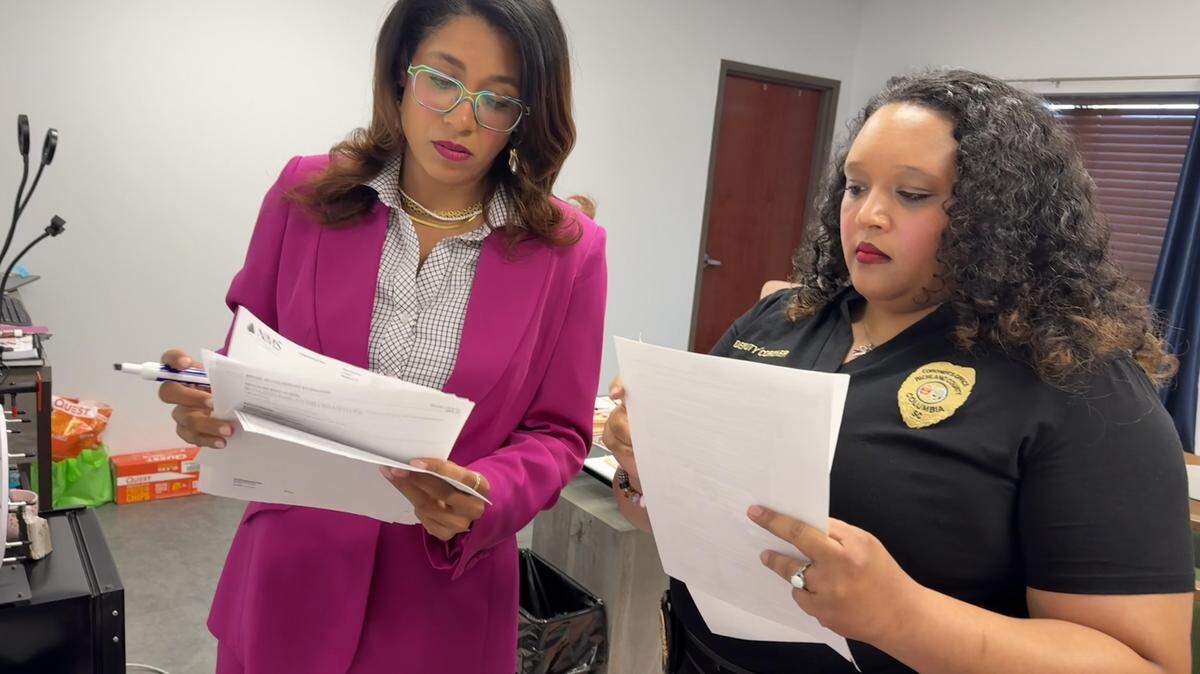
“This is our first time having a case positive for this,” Richland County Coroner Naida Rutherford said in her office, shortly after learning of the cychlorphine lab result from May-Kelly. “Literally, she came in, she said, ‘You are not going to believe this.’”
Efforts to crack the mystery
The coroner’s office does not yet know whether the woman had taken any cychlorphine.
The office recently sent her samples to a second partner laboratory, hoping another set of tests can answer the question and shed light on her death, said May-Kelly, who coordinates Richland County’s overdose fatality review board.
“It’s very concerning,” she said. “Are we about to have a breakout, where we’re about to have fatal overdoses back to back from a drug that we don’t know too much about right now?”
The SLED forensics lab is conducting a second round of testing to verify whether it indeed has cychlorphine in its hands, said May-Kelly.
When asked, SLED declined to confirm its role in the cychlorphine testing.
The U.S. Drug Enforcement Administration has not detected the substance in any of its drug seizures in the Carolinas and Georgia region, said Mike Tooley, assistant special agent in charge of the DEA in South Carolina.
The sheriff’s departments in Richland County and Lexington County, the Lexington County Coroner’s Office and the Columbia Police Department also said they have not encountered cychlorphine.
Since cychlorphine emerged in the U.S., it has been found in 72 overdose cases in 14 states, most of them resulting in death, said Alex Krotulski, director of toxicology and chemistry at the Center for Forensic Science Research and Education in Pennsylvania.
The center issued a public alert about cychlorphine in January, after seeing the drug involved in an overdose death for the first time in 2024. It maintains a database on fatal and nonfatal overdoses involving the drug, and Krotulski said the center has no confirmed cases yet in South Carolina.
The state with the most number of confirmed cases so far is Tennessee, which has 34, followed by Texas, with nine. Illinois and California have four each.
Richland County drug deaths are up
Cychlorphine’s appearance on the coroner’s radar comes as the county has seen a recent rise in drug deaths.
According to data from local nonprofit LRADAC, Richland County saw 110 drug overdose deaths last year, up from 90 cases in 2024.
This increase, following the county’s steady decline in fatal overdoses since 2021, bucks the downward trend nationwide. In contrast, drug deaths in neighboring Lexington County have been falling, from 125 in 2022 to 75 last year.
Drug authorities say the reasons for the rise and fall in fatal overdoses are hard to pinpoint, but they’re closely linked with access to drugs and to the opioid reversal medication naloxone, better known by the brand name Narcan.
The recent uptick in Richland County deaths could have been due to a “bad batch of fentanyl” smuggled into the county, said Tooley of the DEA.
Because street drugs don’t undergo quality control, users have no idea exactly what they’re getting or when they might be taking a lethal dose. Illegal drug manufacturers have added fentanyl to all sorts of substances to increase their potency, including meth, cocaine and heroin, which are heavily trafficked in South Carolina.
Opioid overdose cases involving cychlorphine have found the drug acting on its own, as well as with fentanyl, oxicodone, meth and cocaine.
Cychlorphine is more potent than fentanyl, so it generally carries a higher risk of death, said Krotulski in Pennsylvania. But, he said, other factors such as the drug dose and user’s tolerance also play a role.
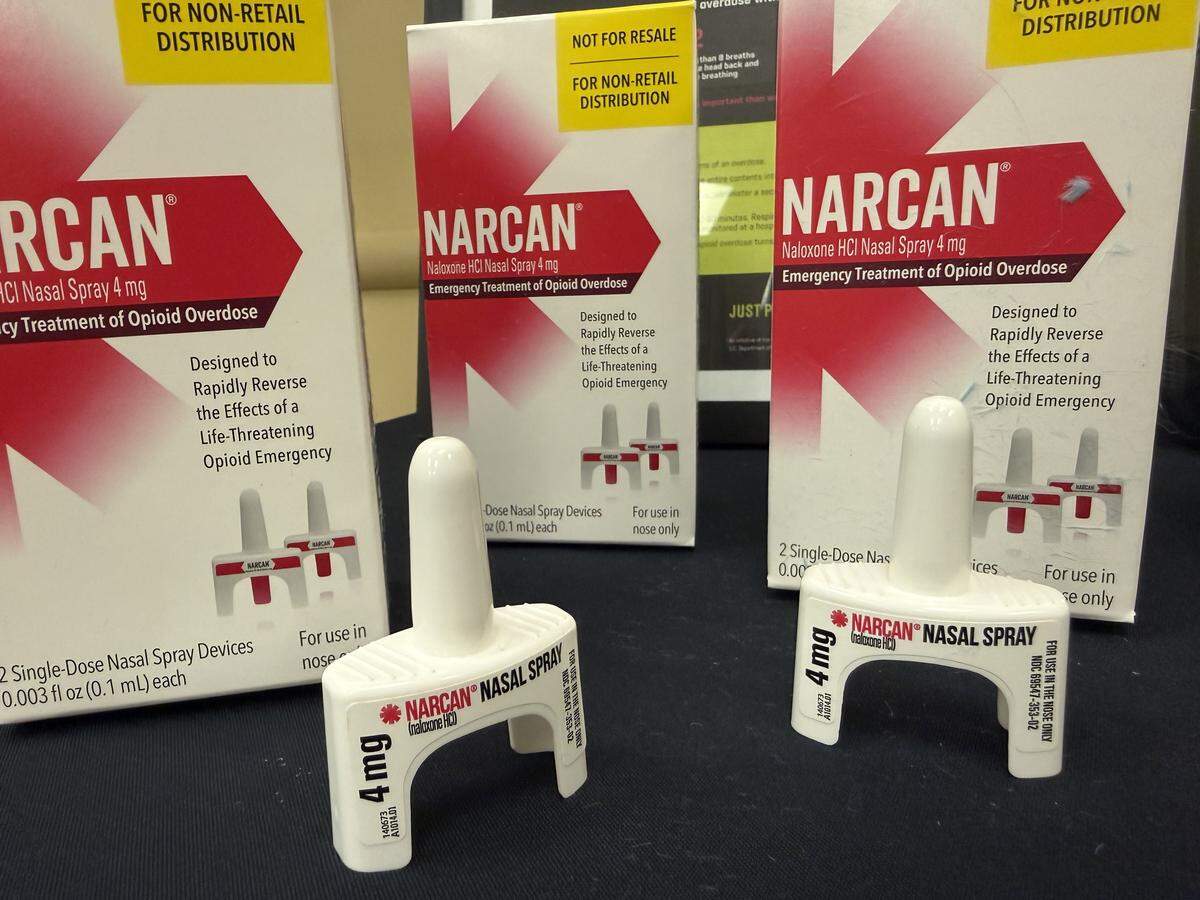
Narcan can reverse an overdose involving cychlorphine, but experts say a higher dose might be needed as well as repeat doses.
While the Richland County Coroner’s Office is waiting to learn whether cychlorphine had a hand in the young woman’s death in January, Coroner Rutherford is considering whether to re-evaluate at least two other undetermined deaths.
Although the test results don’t show drugs in those bodies, Rutherford said each case “screams possible drug overdose.”
This story was originally published April 6, 2026 at 5:00 AM.
CORRECTION: This story has been updated to show the number of confirmed cychlorphine cases in Tennessee.