
SC attorney general charges 7 in cases tied to ‘health care fraud takedown’
Every year, providers work through the cracks in the United States health care system, using state and federal beneficiaries — most of the time, their trusting patients — to spend government funds.
A part of the nation’s “health care fraud takedown,” South Carolina released a round of fraud busts June 25, raising questions about abuse in a state where more than 60% of Medicaid spending goes to vulnerable and elderly adults.
The South Carolina Attorney General’s Office announced criminal charges against seven people accused of Medicaid fraud or financially exploiting vulnerable adults. The cases involve more than $46,000 in alleged fraud.
Led by the U.S. Department of Justice, which has ramped up enforcement in the health care system, nationwide roundups have uncovered $6.5 billion in alleged fraudulent claims submitted to Medicare, Medicaid and other federal health care benefit programs.
Among those accused in South Carolina was a Medicaid patient’s attorney, who used Cash App to transfer around $16,500 from the victim’s funds to make payments on a new vehicle. A Seneca resident allegedly tried to steal a vulnerable adult’s property by forging a deed that falsely transferred ownership to herself. A nursing assistant in Walterboro is being prosecuted for falsifying timesheets to make it appear she had cared for a Medicaid patient when she had not, resulting in a nearly $15,000 loss to the program.
What is the cost?
As a policy officer at the Robert Woods Foundation, a philanthropic organization that funds health care research, Dr. Katherine Hempstead has become familiar with all types of scams within the system.
Her research in South Carolina found that while families make up about 80% of Medicaid enrollees, seniors and people with disabilities account for most of the spending because of their complex health care needs.
Home-based services, which a lot of seniors and people with disabilities need, typically cost a lot, Hempstead said.
Patients in the state’s rural counties, many that are battling accessibility issues, can drive up spending because they require care in their homes. They are also commonly targeted by corrupt providers, she said.
“Fraud is a problem in all kinds of insurance programs, public and private,” Hempstead said. “Insurance creates an opportunity for fraud. Medicaid is no different.”
Out of the $11.5 billion the S.C. Department of Health and Human Services has expended on Medicaid so far in 2026, South Carolina courts ordered about $1.3 million in restitution during that period.
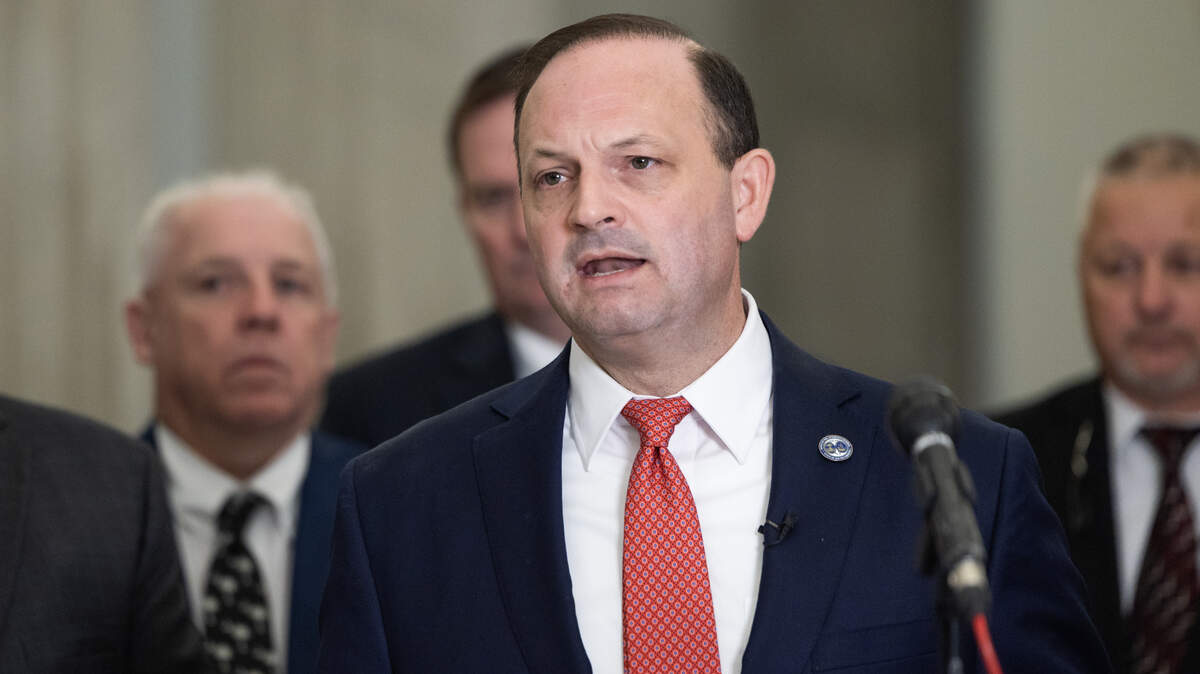
“While the collective impact of enforcement actions like the Takedown is monumental, our work extends far beyond this roughly two-week window,” said Attorney General Alan Wilson in a press release about the seven arrested for fraud.
What enforcements look like without Medicaid expansion
By not expanding Medicaid under the Affordable Care Act, South Carolina’s program does not have to implement federal work requirements, a policy that requires certain adults to complete 80 hours of work each month to maintain eligibility for health care benefits.
Instead, the state’s enforcements target providers, a move that could limit access to care for patients who rely on home-based services or live in rural communities, Hempstead said.
Hempstead described efforts to gradually tighten regulations as a “bait and switch,” saying they can lead the public to assume that people who lose coverage must have committed fraud.
“They are trying to create this idea that the people who are going to lose their coverage are somehow committing fraud and that’s why they’re losing their coverage,” she said.
Each of the 41-related cases currently being prosecuted by the Attorney General’s Office fall under vulnerable adult abuse or Medicaid provider fraud, according to a press release that was timed to coincide with World Elder Abuse Awareness Day on June 15.
“This historic takedown highlights the critical importance of stopping fraud and protecting our neighbors,” Wilson said.