
Task force report calls for USC to require sex abuse training for students, employees
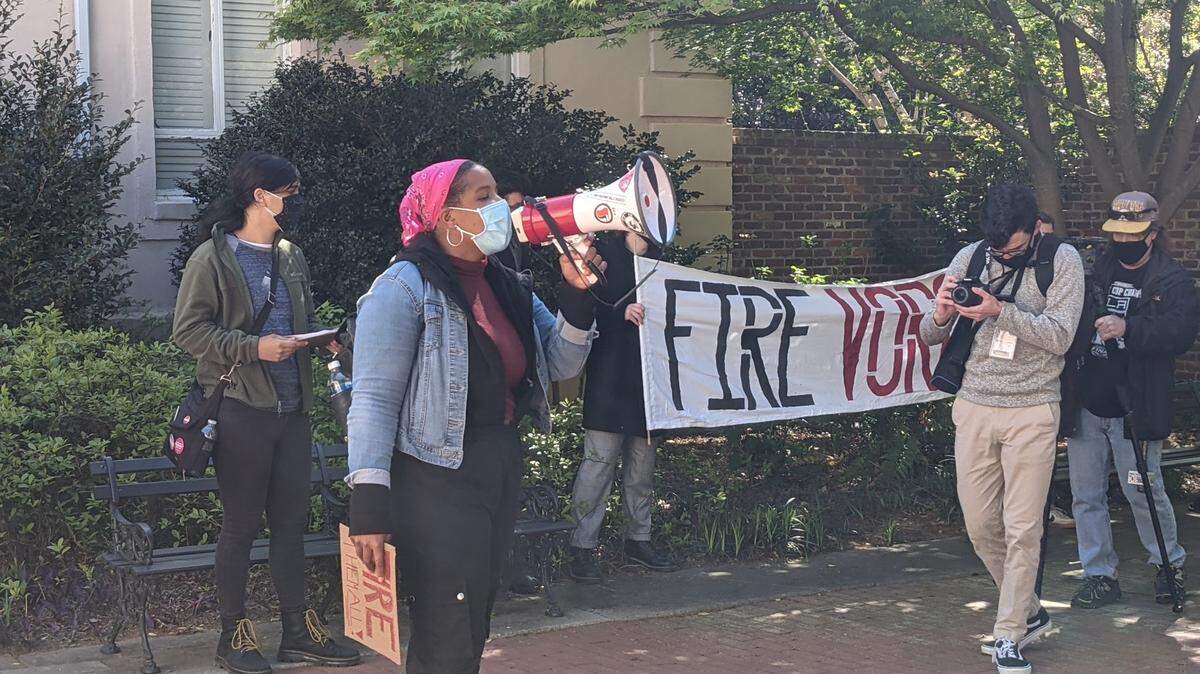
A task force formed in the wake of the University of South Carolina sexual harassment scandal has called for all employees and students to receive training on preventing harassment, assault and abusive behavior.
Created by former USC President Robert Caslen and comprised of students, faculty and staff, the Title IX Task Force released its report Thursday alongside a statement from interim President Harris Pastides.
“I’m grateful to the task force for providing us such a careful and complete review. With their recommendations as our guide, I have charged an implementation group to oversee the important work of making our campus as safe and healthy as possible,” Pastides said in a press release.
In a letter to students, faculty and staff, Pastides called for the university to speed up its search for a long-term Title IX coordinator, continue to receive feedback and provide access to data on sexual assault and harassment on campus.
The report also calls for managers to undergo specialized training for handling complaints of sexual misconduct and for all students and employees to receive annual refresher courses on sexual harassment.
USC began the Title IX task force after a series of lawsuits and an investigative report from The State Media Co. detailed allegations the university failed to properly handle reports of sexual harassment.
Title IX is the federal law that prohibits sex or gender discrimination in higher education.
The revelations led to campus protests and calls for the university to fire USC employees who have been accused of sexual harassment.
USC’s task force looked into the number of sexual harassment cases at the university as a whole and found the number of allegations were “fairly stable, relative to the growth in the institution’s size.”
Three days after the The State’s story was published in March, then-USC President Caslen announced the university would be establishing the Sexual Assault and Violence Intervention and Prevention office, adding an independent, Title IX coordinator and creating a committee to review documented allegations of sexual harassment.
As part of those reforms, USC announced it would create a task force made up of faculty, staff and students to review USC’s sexual harassment and sexual assault procedures. The point of the task force was to deliver recommendations to top USC officials on how the university could better respond to complaints of sexual misconduct, not to examine individual cases. The task force was led by Kirsten Kennedy, USC’s associate vice president of Student Housing and Sustainability, and Audrey Korsgaard, the chair-elect of USC’s faculty senate.
Now that the task force has issued its report, it will dissolve, but Korsgaard and Kennedy will join a committee to implement changes to sexual harassment policy, Kennedy said.
A month after the initial round of reforms, USC hired the Cozen O’Connor law firm to review the school’s sexual harassment policies and conduct a campus-wide survey. While the survey is still in process, a member of the law firm did comment on some of the feedback from its campus survey on sexual harassment.
“One of the things we heard very clearly was the need for more training, education and implementation across all levels,” said Leslie Gomez, the vice chair of Cozen O’Connor’s Institutional Response Group. “People want more opportunity to dialogue on these issues.”
Gomez said the survey feedback received was consistent with concerns expressed in the news articles such as a concern about a lack of accountability for employees who are accused of sexual harassment. The survey also uncovered many students, faculty or staff were unaware of where to go when seeking to report sexual harassment or assault.
The task force recommendations echoed Gomez’s statements, saying USC should update its sexual harassment and assault reporting procedures. For example, the employees who speak to the person reporting sexual harassment or assault need to be trained in trauma-informed care — meaning the employee is trained to work with people who have experienced trauma and who know how to avoid re-triggering it. The reporting process should also be more user-friendly and the person who makes the complaint should be kept updated about the process of the complaint, the task force said.
This story was originally published July 1, 2021 at 5:10 PM.