
PTSD, abuse may alter brain connectivity, but ‘love hormone’ could help, MUSC study finds
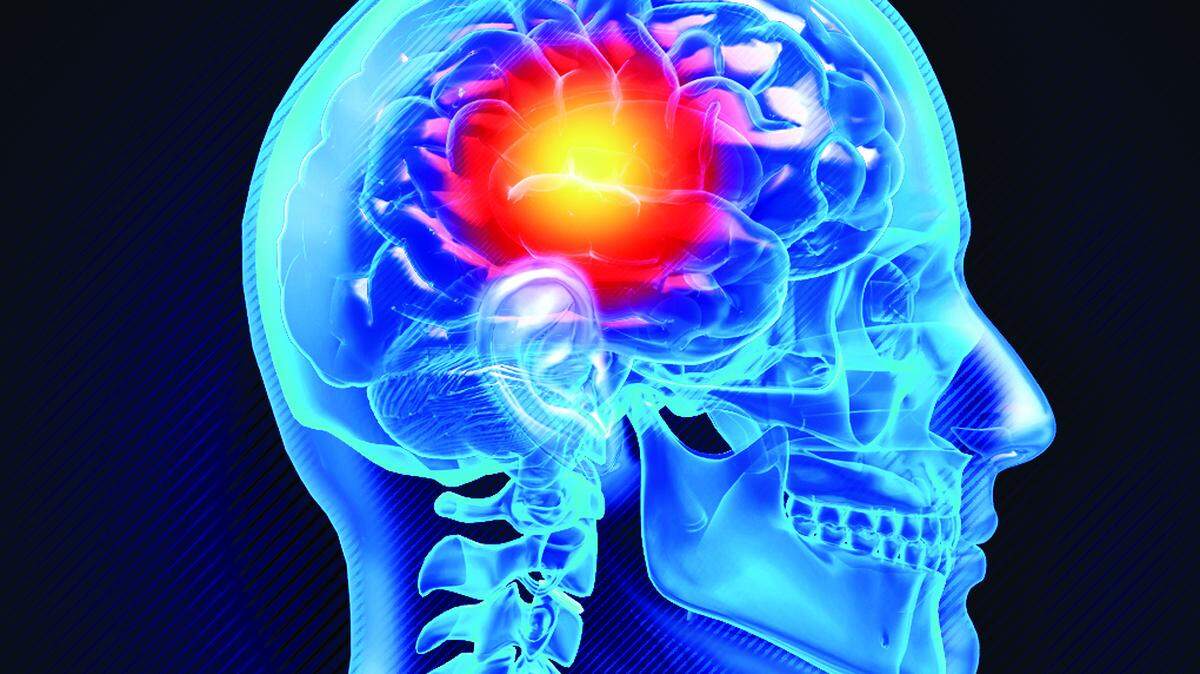
Adults with post-traumatic stress disorder, PTSD, or a history of sexual abuse may have lower brain connectivity, according to a recent study from the Medical University of South Carolina.
What’s more, the study found administering oxytocin, sometimes called the “love hormone,” could help improve brain connectivity in affected areas, according to the study.
The double-blind — meaning neither the participant nor the researcher knows whether the participant received a placebo — peer reviewed study consisted of 39 human participants and was published in Psychiatry Research: Neuroimaging in late October.
The research found a system in the brain called VAN-DAN, which helps regulate attention, had less connectivity for people who had PTSD or suffered sexual abuse as a child. Children who suffered physical abuse did not see decreased connectivity, according to the study.
Researchers have known people with PTSD often struggle to focus on everyday tasks, something that may be caused by an overactive fight-or-flight response, study co-author and Indiana University Assistant Psychiatry Professor Kathleen Crum said in a news release.
“Imagine a scenario where you are parachuting or skydiving and someone asks you to do a complex math problem – how well would you do on that math problem?” Crum said in the release. “The focus on survival and staying out of danger can compete with performing everyday tasks, like holding a conversation or doing our work.”
Study participants were placed in an MRI machine and asked to focus on a cross on a screen. Researchers then measured their ability to stay focused and found those with PTSD or a history of childhood sexual abuse were less able to remain focused. However, once the participants with PTSD or a history of sexual abuse were administered a dose of oxytocin, a naturally occurring hormone associated with intimacy, brain connectivity in the studied brain area increased, said study co-author Jane Joseph, a neuroscience professor at MUSC.
“The link to PTSD is its stress reduction property,” Joseph said.
The study is still experimental and needs more research before it can studied in a clinical trial, Joseph said. Going forward, Joseph wants to do more research on this topic, possibly by testing one person’s brain connectivity in an MRI one day without the oxytocin dose, then another day with the dose to measure any difference, she said.
The study adds to a growing body of evidence raising concerns about how abuse could have long-lasting effects on the brain.
Tests on the connection between abuse and brain health have pointed in several different directions, and that’s largely because researchers have been using different study methods, Joseph said.
“It’s not to say these findings are unreliable,” Joseph said. “It’s just everyone is using different tests.”