New dining options at USC are more inclusive of Jewish, Muslim students
David Moryossef, a sophomore at the University of South Carolina, usually cooked meals in his dorm last year, despite purchasing a meal plan, which the university requires of freshmen. His options were limited as a Jewish student trying to keep Kosher.
“I would literally eat almost nothing,” Moryossef said.
Busy schedules, dorm living, limited grocery store selection and lack of inclusive dining halls and restaurants left many Jewish and Muslim students hungry. They have long struggled to find options that accommodate their dietary restrictions.
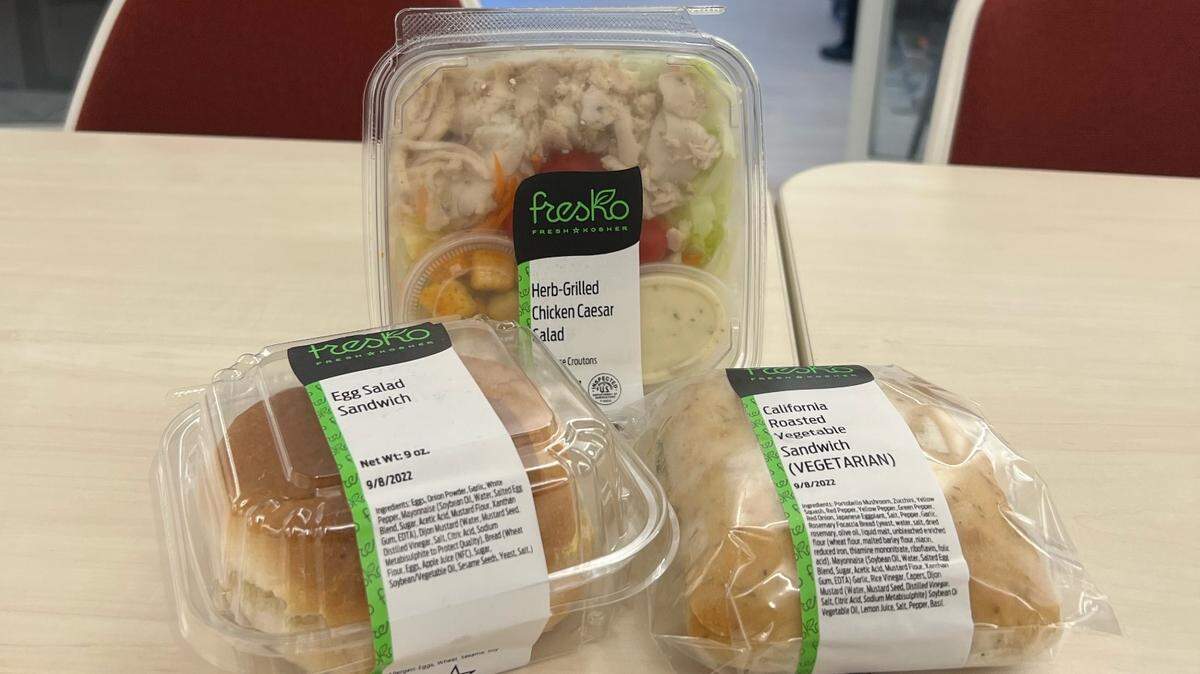
However, things are starting to change at USC. Russell House’s dining hall now offers prepackaged, grab-and-go meals that are certified Kosher and Halal. Different meals are rotated in and out to allow for variety, said Clete Myers, district manager of Carolina Food Co., USC’s food service provider.
It’s already so popular, the first shipment sold out in a matter of days, said Rabbi Sruly Epstein, director of USC’s Chabad, a Jewish group on campus.
Fay Hussain, a third-year Muslim student in the College of Pharmacy, said that despite paying so much money for a meal plan as an underclassman, the only things she felt comfortable eating were soups, salads and sandwiches. She didn’t trust most meals because they weren’t certified Halal.
“What you could do is go vegetarian … but it wouldn’t be a matter of choosing what you want to eat,” said Farboud Khatami, a Muslim student and fourth-year doctoral candidate in the College of Engineering.
Miriam Rozin, a junior Jewish student in the College of Arts and Sciences, said she lives at home with her parents, in part to make sure her Kosher standards are met. But not having options on campus when she needed them was frustrating all the same, she said.
Kosher and Halal food on campus was limited and difficult to access. Finding restaurants and grocery stores in Columbia that catered to needs can be inconvenient, if not impossible, Epstein said.
“There was nowhere to buy ready-made Kosher food,” Epstein said. “(Cooking) three meals a day, every day, for a student with a busy schedule who’s necessarily used to cooking for themselves, is a very big challenge. ... It was theoretically possible to keep Kosher here, but it is extremely labor intensive.”
The additional food options this year at Russell House were welcomed by students.
“Having that option now on campus will make it better for so many people,” Moryossef said.
“This is a huge deal,” Hussain said.
Epstein approached Carolina Food Co. this past summer about implementing more Kosher options. He had worried that he would need to convince dining services of the need for it. But, staff were very receptive and recognized the importance of it, Epstein said.
“There’s an element of affirmation that comes from the university taking a step like this,” Epstein said. “Even if a Jewish student is not particularly careful about keeping Kosher, the fact that they see that the university is willing to take the step, they feel supported, they feel seen, they feel recognized by the university.”
“It’s comforting for many students to see that they are represented and that the university actually cares about them,” Rozin said.
Hussain and Khatami, the president and vice president of USC’s Muslim Student Association, said they were approached by Carolina Food Co. to discuss Halal options. Khatami said the university is on the right track toward improvement, but the situation still isn’t ideal.
“It’s going to make a huge impact for minority students to feel comfortable and accepted on campus when they see that the infrastructure is made to accommodate them,” Hussain said.
With the success of the food so far, Epstein says he hopes the university might invest in Kosher and Halal dining on a larger scale. Perhaps one day USC might have a full-service, Kosher kitchen on campus where students could get three freshly-cooked, hot meals a day, on top of the prepackaged cold options.
“That’s the dream,” he said.
While the grab-and-go options are the first and only meals that are certified Kosher, for now, Honeycomb Café carries Halal chicken and Carolina Food Co. is developing a more expansive Halal concept to be unveiled soon, Myers said.
“We want everyone to have an option of dining on campus, something they feel comfortable eating,” Myers said.