Overdose drug Narcan is now available to USC students, faculty, staff for free. Here’s why
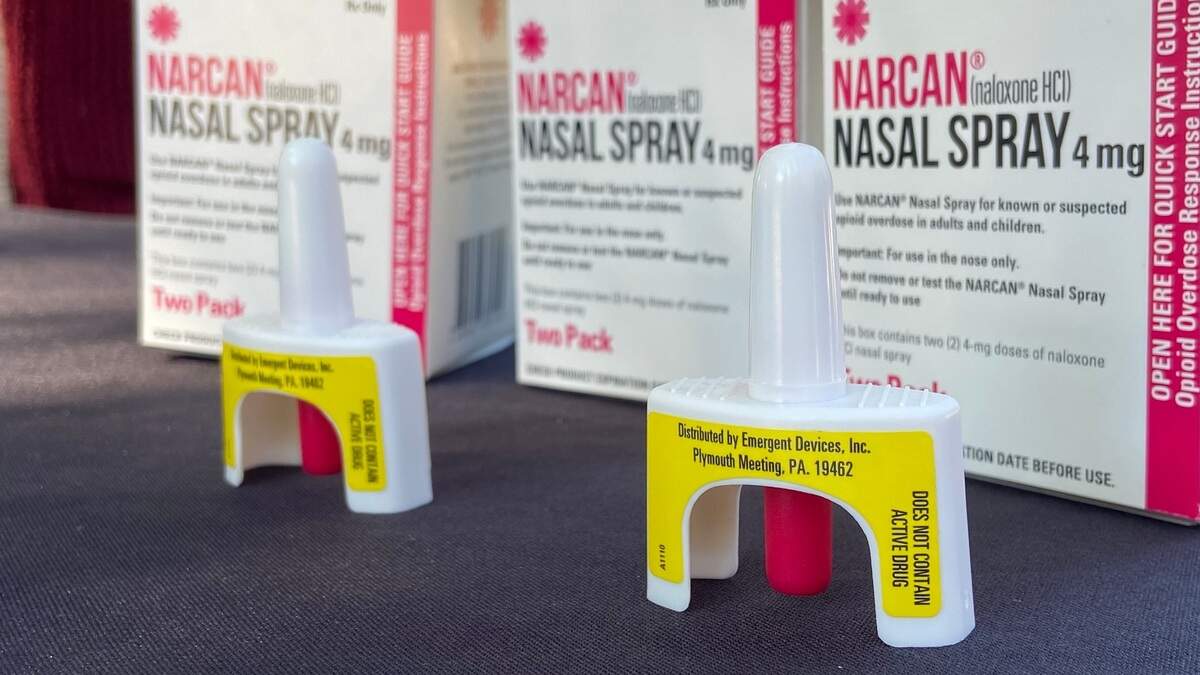
The emergency opioid overdose treatment Naloxone is now available to all University of South Carolina students, faculty and staff, no questions asked.
Naloxone, better known by the brand-name Narcan, is a medication in the form of a nasal spray. It temporarily reverses overdose symptoms and buys time until paramedics arrive.
USC is the first college campus in South Carolina to be designated as a community distributor of the antidote by the South Carolina Department of Alcohol and Other Drug Abuse Services. This means that USC can acquire the drug without care being patient-specific. Campus community members do not need to hold a prescription or go through the health care system to get Narcan.
“It can literally save a life,” said Jimmy Mount, public information officer at the drug abuse services agency.
With this designation, USC can get Narcan into the hands of more students who are at risk for overdose themselves, or who are friends and caregivers of others at risk, said Aimee Hourigan, director of USC’s Office of Substance Abuse Prevention and Education. To receive Narcan, students need only go to the office, located in the Strom Thurmond Wellness & Fitness Center, and ask. The office doesn’t require IDs or names.
While drug use and overdoses are not widespread issues at USC, college campuses are considered high-risk communities, Hourigan said. Less than 1% of USC students use prescription stimulants, cocaine or other substances, according to a biennial review.
“We know that college students are at increased risk of using other substances, so we want to be able to provide that resource to them,” Hourigan said. “There may be people in your life who are using substances, and so you want to be able to be helpful.”.
Fentanyl contamination warnings from the federal Drug Enforcement Administration and the South Carolina Law Enforcement Division have made clear the importance of teaching people about Narcan, Hourigan said.
Illicit substances like cocaine and heroin might contain fentanyl, but so can counterfeit pills posing as prescription medications like Oxycontin and Xanax.
“If you are using anything other than alcohol and cannabis, there’s a risk,” Hourigan said.
Peer educators with SAPE are working to educate people on the symptoms of an overdose and what to do. The educators help distribute Narcan on campus, teach community members how to use it and eliminate the stigma associated with it.
“We know (overdoses) happen, and we really want to make sure people are aware of the resources they have,” said graduate peer educator Ashlynn Feeney.
The words “opioid overdose” are scary, said peer educator Raylyn Garner. But being visible and accessible is effective. Since USC became a community distributor, Garner said students are coming to the SAPE office to pick it up.
“Opioid overdoses are happening … we just need to be proactive in helping those students,” said peer educator Crawford Latham.