USC has a student housing shortage. Here’s what the university might do to fix it
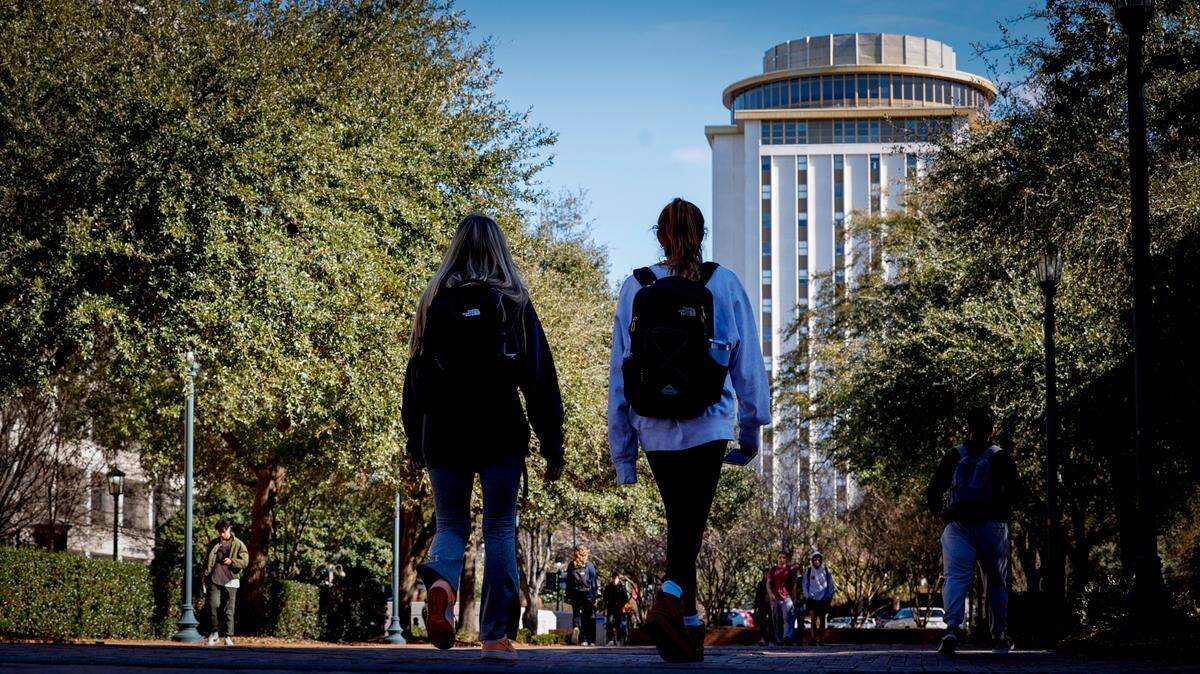
The University of South Carolina has a housing shortage. It is looking for ways to fix it.
An ever-growing student body — including a record freshman class this year with nearly 700 more students than last fall — means on-campus housing becomes more competitive each year, especially for upperclassmen.
Freshmen students are required to live in university housing. This fall, USC was able to accommodate every one of them, thanks in part to Campus Village, the newest and largest housing development in the school’s history that opened in August.
But after their first year, most students are expected to find off-campus housing. Most on-campus options for continuing students is made available for those in the honors college, part of a living and learning community, and Capstone Scholars, an exclusive program for USC’s top academics, according to the university’s website.
But USC still receives hundreds requests for on-campus housing that can’t be fulfilled, said university spokesman Jeff Stensland, and this year the university was short by nearly 1,000 beds. On-campus housing does not include the private student-housing complexes that have opened across the city in recent years.
Stensland previously told The State that the number of these requests have grown in recent years.
A housing demand study from 2020 found that even with Campus Village, there will still be an unmet housing need between 2,800 and 6,000 beds by 2030.
The USC Board of Trustees voted Sept. 15 to establish a master development strategy to renovate, expand and create new options for students, to help meet demand, especially as the university expands.
University architect Derek Gruner explains that a need for capital renewal, financing constraints and the high demand for on-campus housing has made it necessary to develop a plan. He identified several USC housing facilities as candidates for replacement or renovation, including Columbia Hall and Capstone House, the McBryde Quadrangle, Bates West, Carolina Gardens, South Tower and the Byrnes Building.
Some of the university’s residence halls have been in use for decades. Stensland said students often complain of mold, broken elevators and general wear and tear. Renovation would more than likely involve upgrading infrastructure, like elevators and HVAC systems.
Underdeveloped properties, including the Carolina Coliseum site at Blossom and Assembly streets and a parking lot near Foundation Square on the southwest end of campus, are among possible sites for newly constructed projects.
“It is a campuswide effort,” Gruner said at the Sept. 15 board meeting. “This is the first step in the process.”
No projects have been approved yet, but $250,000 of USC’s housing maintenance reserve has been set aside to start the process. The university must first go through the state procurement process — issuing requests for project proposals from developers for more in-depth housing plans.
More university-affiliated and private student housing is already in the works.
A dormitory slated for 737 Gadsden St. near Colonial Life Arena called Gadsden + Green will have the capacity to house 938 students. It’s expected to open in August 2025.
Verve Columbia, another upcoming development near Blossom, Huger and Wheat streets, will house another 960 students.
They will join several brand new private, student apartment buildings, including The Standard Columbia on Assembly Street near downtown, and Sawyer on Lincoln, located near the USC College of Engineering on Catawba Street.
This story was originally published September 22, 2023 at 5:30 AM.