NIH sponsors $70M in ‘lifesaving’ research at USC. Could Trump’s order take money away?
The University of South Carolina could lose tens of millions of dollars used for “lifesaving” research if efforts to slash federal funding succeed.
The National Institutes of Health, a major source of money for medical research, announced Friday that indirect costs associated with new and existing research grant awards — like building maintenance and staffing — would be capped at 15% under a recent directive from President Donald Trump.
The NIH spent more than $35 billion in its recent fiscal year on 50,000 competitive grants to more than 300,000 researchers at more than 2,500 universities, medical schools and other research institutions across the country, about $9 billion of which was allocated for indirect costs.
“The United States should have the best medical research in the world. It is accordingly vital to ensure that as many funds as possible go towards direct scientific research costs rather than administrative overhead,” the NIH wrote in an announcement.
Indirect costs are broken up into two categories: “facilities” and administration.” Facilities expenses are associated with buildings, equipment and capital improvements, while administration expenses are those associated with personnel, accounting and other general expenses.
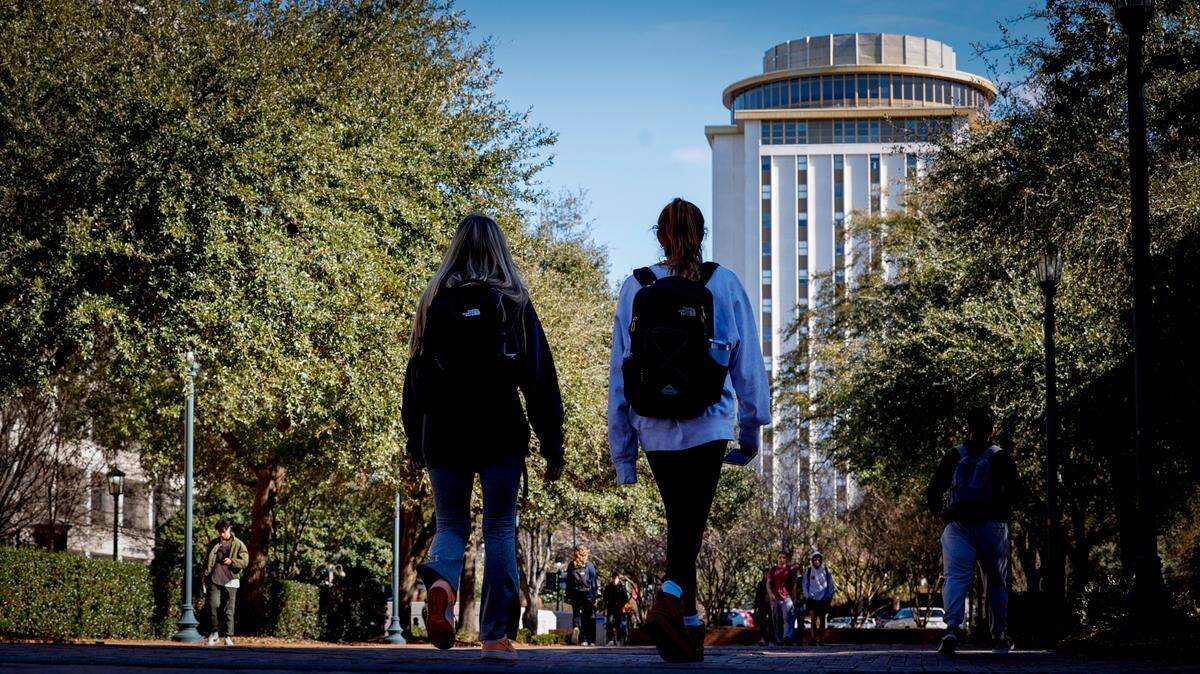
USC received upwards of $70 million last year from the NIH, records show, for medical research on cancer, dementia, addiction and other projects. The university has already been granted $6 million this year alone. About 49% of those funds go towards indirect costs at USC, university officials said. The new directive could means the loss of approximately $24 million.
University officials are assessing the potential financial impact of the directive, according to an email from Vice President of Research Julius Fridriksson that was sent to faculty and staff on Monday.
“NIH awards represent USC’s largest source of federal support and payments for indirect costs help fund the critical infrastructure needed to conduct our work,” Fridriksson wrote in the email, which was obtained by The State. “We are planning for any eventuality and remain committed to growing our future health research endeavors.”
USC is encouraging researchers to continue their work and their current grant applications.
“Health sciences will continue to be a key component of our central research mission, and we will keep you informed of any important changes that may impact future funding,” Fridriksson wrote.
USC, along with Clemson and MUSC — all three of which are the top local NIH beneficiaries — are working to “strongly advocate on behalf of the lifesaving research conducted at our institutions.”
“Because of the longstanding support of agencies like the NIH, American research universities are second to none when it comes to important scientific discoveries,” Fridriksson wrote.
A lawsuit challenging the cuts, led by the attorneys general of Massachusetts, Illinois and Michigan, was filed Monday, which said that the loss of funding would result in “effectively halting research to cure and treat human disease.”
The proposed cuts would break federal law by violating funding language passed by Congress since 2018, the lawsuit argues, which bars the NIH from making such a rate change without proper authorization. Congress enacted it after the first Trump administration proposed funding caps in 2017. The NIH is also accused of overstepping its authority in making cuts apply retroactively to existing federal grants and adopting the mandate without the proper procedures.
If the cuts are allowed to stand, the lawsuit said, it would result in layoffs, research disruptions and laboratory closures. It is unclear how South Carolina’s research institutions might be affected.
Following the suit, U.S. District Court Judge Angel Kelley temporarily blocked the funding cuts Monday, forbidding agencies to apply or enforce the new policy. A hearing on the case is set for Feb. 21.
At least 19 other states joined the lawsuit. South Carolina was not one of them.
The State has reached out to S.C. Attorney General Alan Wilson’s office.