Librarians sue SC education superintendent over book banning regulation
South Carolina librarians have asked a federal court to block enforcement of the state’s book banning policy and a classroom memo that has been likened to “censorship,” according to a federal lawsuit against state education Superintendent Ellen Weaver.
The lawsuit, filed by the American Civil Liberties Union on behalf of the South Carolina Association of School Librarians and three public school students, says the policies have sown chaos, confusion and fear among educators and restrict students’ freedom to receive information.
The South Carolina State Board of Education was granted the power to regulate books on the shelves of public school libraries in 2024 through Regulation 43-170. The policy allows the state board to govern the selection of materials in schools and dictate what is “age and developmentally appropriate” and “educationally suitable” under state law. It allows the board to remove books that contain descriptions or depictions of “sexual conduct.”
That power was previously handled at the local level, with decisions made by individual school districts.
A parent can challenge a book through their local school district’s process, but under the new regulation, they can also file a complaint at the state level. If the board chooses to remove materials, the decision is adopted at a statewide level. Every school, regardless of grade level, is required to remove the books from library shelves.
The lawsuit also opposes a memorandum Weaver issued on March 14 that prohibits 14 ideas and concepts from S.C. Department of Education materials, including “implicit bias” and “social-emotional learning.” The memo, according to the lawsuit, requires state employees to indoctrinate students according to the superintendent’s views on sex, gender, race, and American exceptionalism.
Both the book regulation and the memorandum are unconstitutional, the lawsuit alleges, violating the First and Fourteenth Amendments.
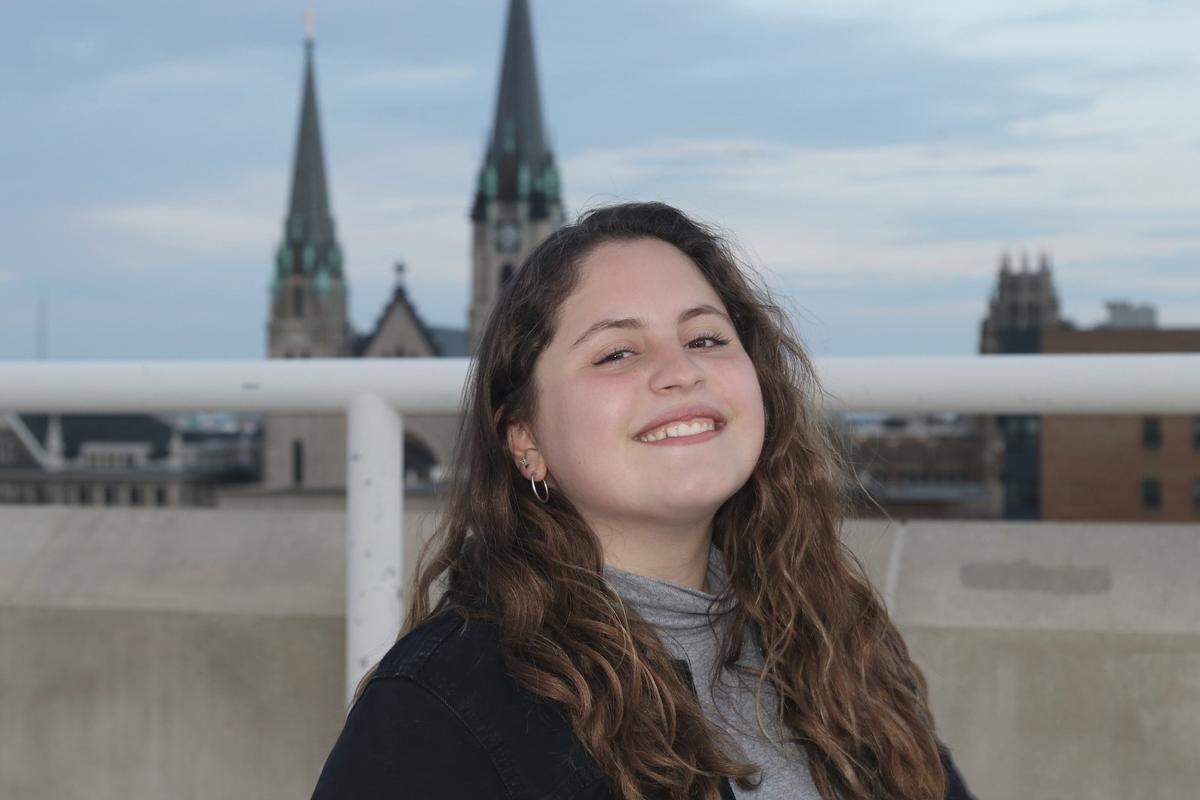
Dylan Rhyne, a high school senior in the Charleston County School District and plaintiff in the lawsuit, said the fear and confusion stemming from the book banning regulation and Weaver’s classroom memorandum have been “overwhelming.”
“I hope that by taking action now, we can restore the safe and welcoming school environment I once knew and make things even better for those to come,” Rhyne said in a news release.
The regulation, which Weaver proposed and advocated for, is considered one of the most restrictive in the country. It has led to the banning or restriction of 22 books statewide:
- “All Boys Aren’t Blue” by George M. Johnson
- “Collateral” by Ellen Hopkins
- “A Court of Frost and Starlight” by Sarah J. Maas
- “A Court of Mist and Fury” by Sarah J. Maas
- “A Court of Thorns and Roses” by Sarah J. Maas
- “A Court of Wings and Ruin” by Sarah J. Maas
- “Damsel” by Elana Arnold
- “Empire of Storms” by Sarah J. Maas
- “Flamer” by Mike Curato
- “Half of a Yellow Sun” by Chimamanda Ngozi Adichie
- “Hopeless” by Colleen Hoover
- “Identical” by Ellen Hopkins
- “Kingdom of Ash” by Sarah J. Maas
- “Last Night at the Telegraph Club” by Malinda Lo
- “Living Dead Girl” by Elizabeth Scott
- “Lucky” by Alice Sebold
- “Normal People” by Sally Rooney
- “Push” by Sapphire
- “The Perks of Being a Wallflower” by Stephen Chbosky
- “Tricks” by Ellen Hopkins
- “Ugly Love” by Colleen Hoover
South Carolina leads the nation in state-mandated school book bans, according to PEN America.
Another book, “Crank” by Ellen Hopkins, remains in high school libraries, but a parent or guardian must fill out an opt-in form for a student to borrow it.
“Censorship in schools limits students’ ability to think critically and engage with diverse perspectives. K-12 students deserve intellectual freedom that empowers them to explore ideas, question assumptions, and develop critical thinking skills,” Tenley Middleton, president of the South Carolina Association of School Librarians, said in a news release.
The lawsuit comes two years after Weaver decided to cut ties with the South Carolina Association of School Libraries in August 2023, ending a 50-year partnership.
In a letter to the organization, Weaver said that the library association had created a “hostile environment” using “politicized rhetoric” to oppose efforts to remove books from school libraries.
“Parents are entirely justified in seeking to ensure educational materials presented to their children are age-appropriate and aligned with the overall purpose of South Carolina’s instructional program and standards,” Weaver wrote. “When SCASL labels those efforts as bans, censorship, or a violation of educators’ intellectual freedom, the result is a more hostile environment which does not serve the needs of students.”
The State has reached out to the South Carolina Department of Education.
This story was originally published October 8, 2025 at 5:00 AM.