SC state senator asks for investigation into Clemson, Oconee County development
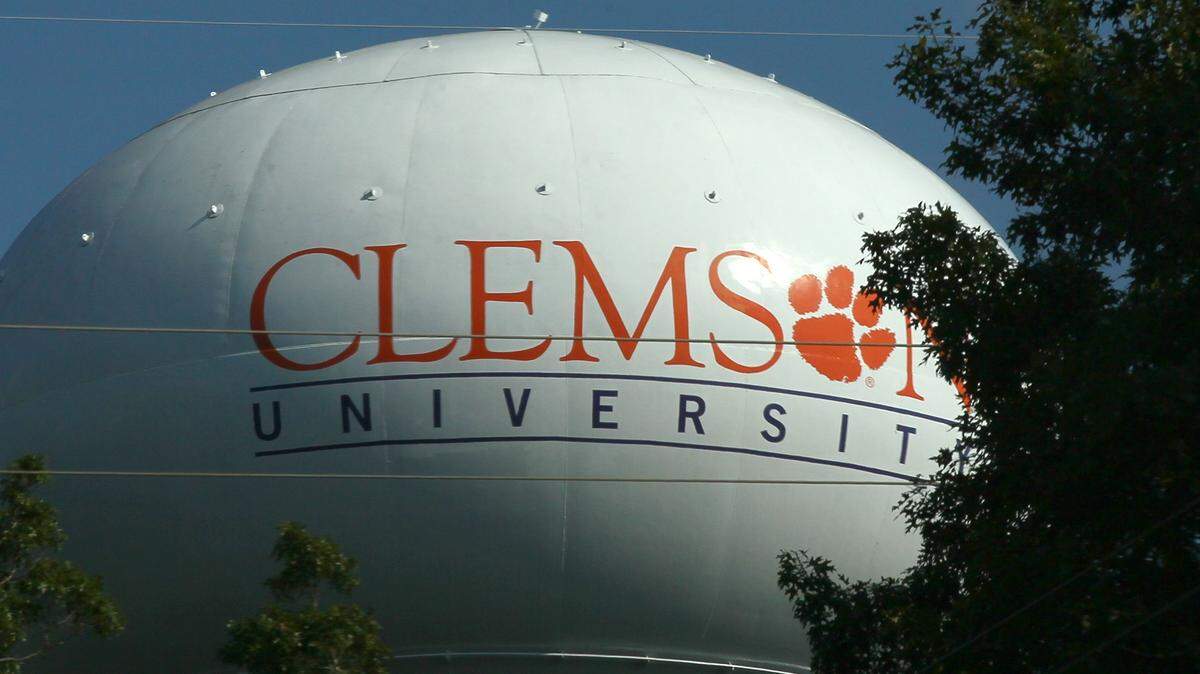
Following the highly-publicized controversy surrounding potential conflicts of interest between Clemson University and a private housing development in Upstate South Carolina, a state senator has asked for an investigation into the school’s actions.
Clemson and its former President Jim Clements, who abruptly retired in December, faced criticism late last year for the connections between the university and a large development in Oconee County known as the Newry Project, which is one county over from Pickens County, where Clemson University is located.
Clements, along with university board member and former South Carolina Gov. Nikki Haley, both sat on the board of United Homes Group, a Columbia-based company that had proposed the development and financially benefited from their stakes in the company. Both stepped down from their position on Oct. 20.
The university has denied any affiliation, financial stake or involvement in the Newry Project, which is called the Newry Project.
Sen. Thomas Alexander, R-Oconee, wrote Inspector General Brian Lamkin on Tuesday, asking that he examine the controversy to determine whether Clemson had complied with South Carolina law and its own policies, and what lessons either the board of trustees or the General Assembly can learn.
“I want to be clear that this referral should not be read as expressing any concern that Clemson University, its board members, or its employees acted improperly or unethically,” Alexander wrote. “I have examined the materials myself, and my request is not predicated on any belief that a legal or ethical violation occurred.”
Alexander, a Clemson alum, wrote that he believes in the importance of Clemson maintaining its well-earned reputation. Such a review, he said, would either confirm the university’s claims regarding the Newry project, or identify areas where practices fell short.
“We remain committed to transparency and will provide our full cooperation through this review process and the conclusion it will bring,” Robert Jones, Clemson’s interim president, wrote to faculty on Wednesday. “We assure you that Clemson remains steadfast in its commitment to openness and integrity throughout this review. Our goal is to provide clarity and maintain the trust of our faculty, staff, students, alumni and broader community.”
The State has reached out the state’s Office of the Inspector General.
“Your independent review is in the best interest of the public and of Clemson University, so that necessary work can proceed with the confidence of the public or, if warranted, appropriate changes can be made moving forward,” Alexander wrote.