R1 considering whistleblower, ethics policy for employees reporting abuse. Why now?
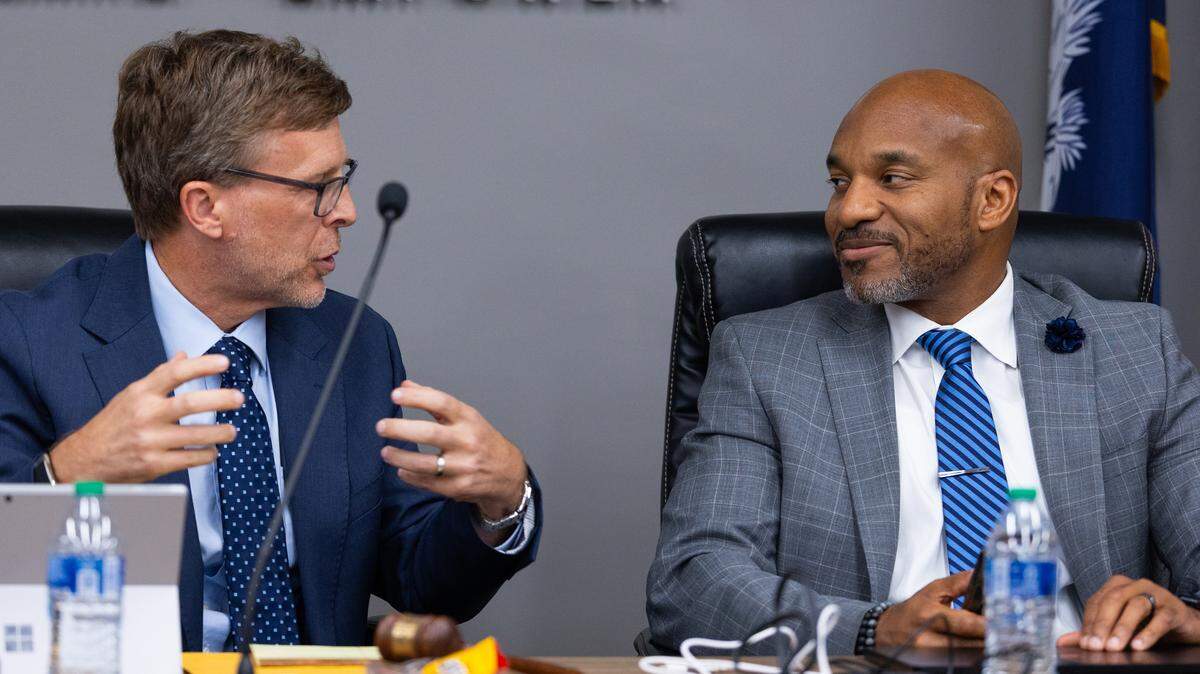
Richland School District 1 is considering two new policies that would support a hotline for complaints, as well as new protections for employees that might come forward with allegations of abuse or mismanagement.
The compliance and ethics reporting policy would support an already-existing hotline for employees, board members and other stakeholders to confidentially and anonymously report potential fraud, wasteful spending or noncompliance. The whistleblower policy would ensure employees are protected from retaliation if they submit reports of wrongdoing to the internal auditor.
Why now?
At a Feb. 17 committee meeting, board member Aaron Bishop asked about the timing of the policies.
“I understand the purpose of the policy,” Bishop said. “Why are we bringing up a new policy now? What triggered us to adopt this policy now?”
District officials cited a recent state-mandated audit. Though not required, implementing these policies were suggested in the agreed-upon procedures review following the audit’s release.
External auditors released a long-awaited report on Richland 1 in November 2025 that had been ordered by state education Superintendent Ellen Weaver a year earlier. Weaver escalated worries about Richland 1 financial practices and saddled the district with a “fiscal caution” status in August 2024, when the state Office of Inspector General found it broke state law and wasted more than $350,000 is taxpayer money when it began construction on an early learning center without proper permits.
“Fiscal caution” is the second highest level concern.
The district had already been operating with a “fiscal watch” status since December 2022.
That audit, while it did not uncover any criminal fraud or wrongdoing, found the district made vendor payments inconsistent with award contracts, significantly changed the budgets of capital projects and school board members received “exorbitant” reimbursements.
Bishop wanted to make clear to the public that the district wasn’t being forced into the policies.
“We’re doing everything above and beyond to comply and follow recommendations from this report,” Bishop said at the meeting.
At a March 10 school board meeting, Richland 1’s general counsel further explained the purpose of the whistleblower policy.
“This is the law,” Richardson said. “The law does allow this protection, we just did not have a policy in place.”
South Carolina law makes provisions for whistleblowers. Public bodies are prohibited from dismissing or demoting employees if they should file a report of wrongdoing — be it abuse misuse, destruction or loss of public funds or resources, or violations of state and federal law — according to the statute. That law was adopted in 1988, but Richland 1 previously never had a policy to reflect that law.