Who is the next chief at the SC Department of Natural Resources? One of its own
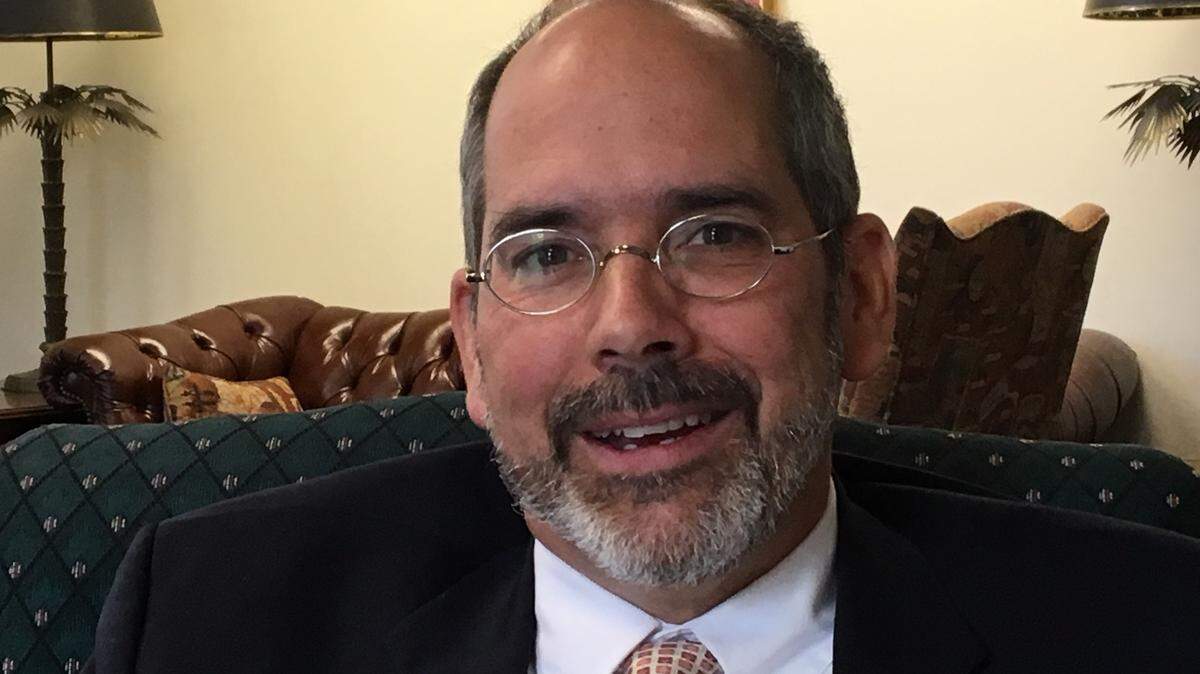
The S.C. Department of Natural Resources board chose a veteran staff member Thursday — agency marine resources director Robert Boyles — to run the wildlife department after a months-long search.
If confirmed as director by the state Senate, Boyles would continue duties he began earlier this year as interim director.
Popular with colleagues at the agency, Boyles took over as interim chief after Alvin Taylor, the affable ex-law enforcement officer, retired in May following seven years on the job.
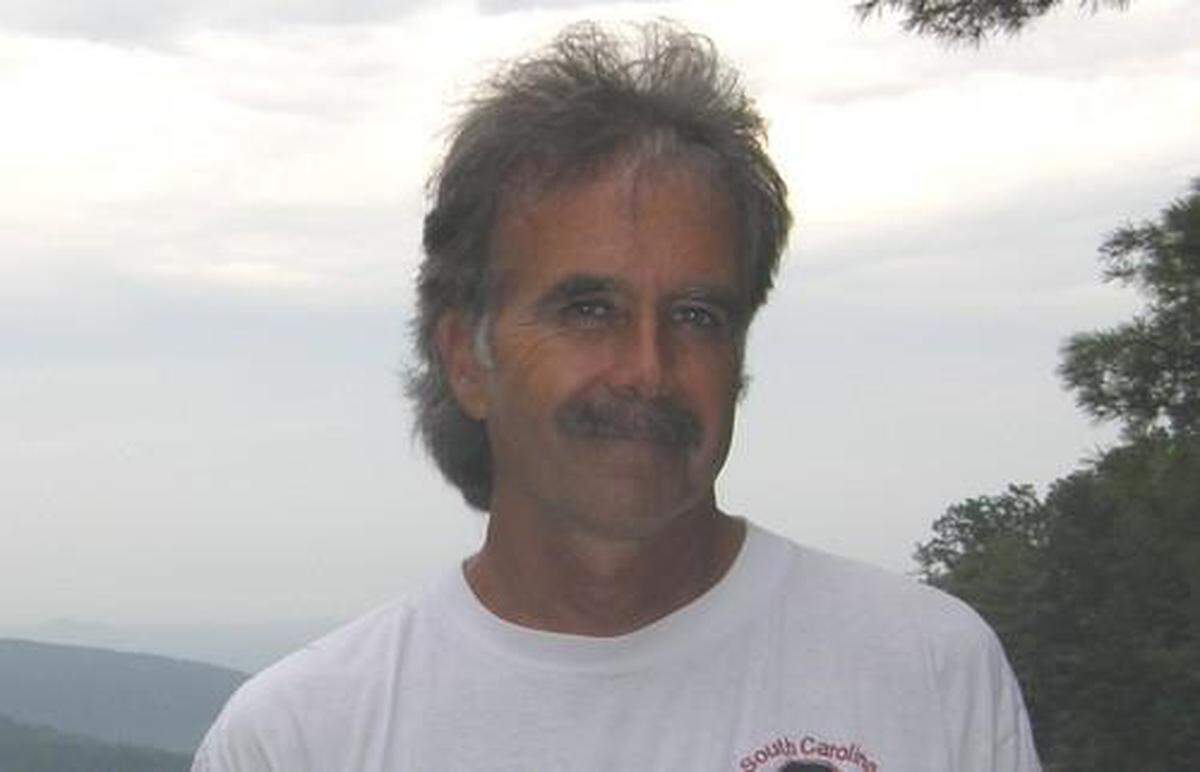
Boyles, a musician who likes to hunt and fish, has worked with the DNR’s marine resources division in Charleston for more than two decades. He is a 51-year-old North Carolina native who lives in Mount Pleasant. Married with two college-aged children, he grew up in the Cheraw area along the North Carolina border.
The DNR board voted unanimously for Boyles after a brief closed door session to discuss personnel matters. Boyles beat out three other finalists for the position formerly held by Taylor.
“I’m humbled,’’ Boyles said. “One of the things that makes South Carolina special is our natural environment. To be afforded the opportunity to lead an agency, to help build a conservation ethic and a stewardship ethic for the future, I’m excited.’’
In choosing Boyles, the agency decided not to hire Emily Cope, another agency deputy director who would have become the DNR’s first woman director. Cope, like Boyles, was among four finalists for the post. The others were department spokesman Robert McCullough and retired agency biologist Bob Perry.
Board chairman Norman Pulliam said in an interview that Cope was impressive but so was Boyles.
“As we look to the future, it is important to have seasoned veterans leading our agency,’’ Pulliam said in a news release. Pulliam’s statement went on to say that Boyles “has proven himself more than capable in leading our agency, and I speak on behalf of our entire Board when I say we are looking forward to working with Robert.’’
State Rep. Kirkman Finlay, R-Richland, said Boyles appears to be capable and “a great guy,’’ but he questioned why the agency’s finalists did not include someone from outside the DNR. Finlay said the agency needs fresh ideas.
“Agencies, especially science-based agencies, need cross pollination, which means bringing in new ideas and new people,’’ Finlay said. “It is not that it is bad to have people internally, but why not pick from a bigger pool?’’
No salary has been set yet for Boyles, Pulliam said. Boyles is currently making $131,822 at the DNR, according to the S.C. Department of Administration’s salary database.
The Department of Natural Resources is South Carolina’s wildlife and conservation agency. It has a range of duties, including enforcing hunting and fishing laws; conducting scientific research along the coast and in the state’s interior; issuing boat titles to hundreds of thousands of people; studying climate trends; providing hurricane forecasts; and managing thousands of acres of wildlife refuges, such as the Jocassee Gorges mountain preserve.
It operates on a $35 million state budget and has about 1,000 employees. The DNR owns about 280,000 acres of land, but manages more than 1 million acres.
Formerly known as the Department of Wildlife and Marine Resources, the DNR often finds itself under pressure from outdoorsmen, state lawmakers and others upset by positions it takes on wildlife and natural resources.
After settling in as the permanent director, Boyles will have plenty of issues to deal with, including several that surfaced at Thursday’s board meeting.
The S.C. Farm Bureau is pushing an effort to take away the DNR’s water planning division and put it under the S.C. Department of Health and Environmental Control, officials said. Board members were cool to the idea, and Boyles acknowledged that a bill could be filed in the Legislature. Farm Bureau President Harry Ott told The State the plan is only in the discussion stages.
While that question is debated, agency officials also must determine whether to seek more funding to study water withdrawals from the state’s major river basins, and to develop a state water plan. The DNR board was asked by public water suppliers at its meeting Thursday to support $8 million to $10 million in additional funding from the Legislature for water planning.
In addition, the DNR finds itself in need of more law officers to enforce hunting and fishing regulations, while also helping to make cases against illegal wildlife traders who try to set up shop in South Carolina. The state has some of the weakest laws governing the illegal trade of reptiles in the country. The department is seeking more than $1 million in next year’s budget to hire more officers.
Perhaps the biggest challenge Boyles faces is dealing with the S.C. Legislature. He will have to balance political concerns by state lawmakers with scientific studies that call for changes in state wildlife management. Those who know Boyles said his friendly, unassuming nature should help him in dealing with the Legislature.
“Robert, all out, is known for making good decisions and he is known for working across divisions,’’ said former DNR wildlife biologist Skip Still, who worked with Boyles at the agency. “He is liked universally more so than most anybody in DNR. He works with people.’’
The next director must be confirmed by the Senate, which has become increasingly quizzical of certain candidates to run agencies. This past year, the recommended director to lead the state Conservation Bank drew criticism from some senators who questioned why he was chosen over more experienced candidates. The candidate, former state Rep. Mike Pitts, withdrew his name after being grilled in the Senate.
Gov. Henry McMaster says Boyles should receive Senate confirmation. McMaster has given “his enthusiastic approval’’ for the board’s choice as new director, said Trey Walker, a top aide to McMaster. Mark Plowden, the governor’s deputy chief of staff, participated in the selection and interview process, McMaster’s office said.
Boyles’ installation as director ends seven years of leadership under Taylor, a law enforcement leader who himself dealt with some controversial issues in the Legislature.
Last spring, the agency found itself in a dispute with state Sen. Stephen Goldfinch over enforcement efforts at the Tom Yawkey Wildlife Center in Georgetown County. A proviso Goldfinch had put in the state budget would have prevented the agency from enforcing hunting and fishing laws on the preserve. The issue later was resolved.
The DNR also sustained criticism this past spring after it said a longer hunting season was hurting wild turkey populations. The department routinely runs into trouble with lawmakers over fishing limits. Unlike in many states, the S.C. Legislature must sign off on any new restrictions on hunting and fishing.
Under Taylor, the agency had plenty of successes, including establishment of a viewing tower on the state’s highest peak, Sassafras Mountain, and protection of Cook’s Mountain, an unusually tall land formation in otherwise flat Richland County. But while director, Taylor’s agency also was criticized for caving to pressure from politicians who wanted a new road through a state nature preserve near Myrtle Beach and for sitting on a climate change report that had been conducted by agency scientists.
Those who know the four candidates said any would have been a good choice to run the DNR.
McCullough, a law enforcement officer, is the department’s chief spokesman and director of outreach. He is a familiar voice with the agency and widely quoted in the media across South Carolina. Cope has risen through the ranks at the DNR to become a department deputy director. As deputy director, she handles some of the biggest issues the DNR deals with in an agency traditionally dominated by men.
Perry, who formerly worked at the DNR’s Samworth Wildlife Refuge in Georgetown County, is the department’s former chief of environmental permitting, a post that examines state and federal permits to determine how development can affect fish and wildlife.
This story was originally published November 21, 2019 at 10:37 AM.