Some good news for the Wateree River and groundwater in eastern Richland County
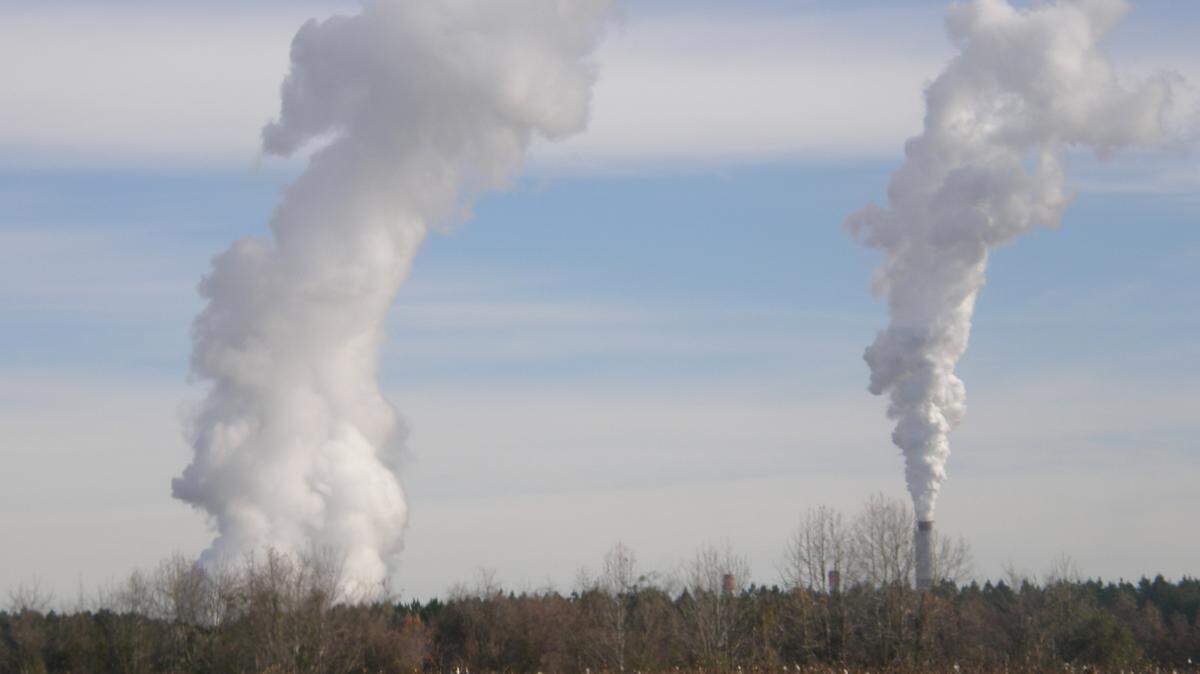
The legacy of producing power in eastern Richland County left a toxic mess on the banks of the Wateree River, prompting a major cleanup effort nearly a decade ago.
Now, the cleanup has been completed and the environment is safe from the pollution once produced by the ash pond at Dominion Energy’s Wateree power station near Eastover, the company and environmentalists announced Thursday.
The waste pond was along the banks of the Wateree, just up river from Congaree National Park.
““With the completion of this project, the Wateree River, Eastover, and the Congaree National Park are safer than they have been in years,’’ Southern Environmental Law Center attorney Frank Holleman said in a news release. “At Wateree, Dominion Energy and its predecessor, SCE&G, have set a standard for other utilities to follow.”
Dominion Energy, which acquired SCE&G, said it has completed the removal of 3.5 million tons of coal ash from the 100-acre storage pond. The company reached a voluntary agreement with the Department of Health and Environmental Control in 2011 to clean up the pollution, then in 2012 reached an agreement with the law center that required the cleanup. Completion of the cleanup is 13 months ahead of schedule, Dominion said.
Of approximately 16 ash ponds owned by utilities in South Carolina, nearly half of them have been excavated and closed, according to research by the law center. Closed disposal ponds include those at Dominion’s old McMeekin coal plant near Lake Murray and at the company’s Urquhart station along the Savannah River.
The remainder of the ash ponds that have been excavated in South Carolina are in the process of being dug up and shut down, Holleman said in an interview with The State newspaper. He has spearheaded the cleanup effort across the Southeast.
The Wateree cleanup agreement followed a lawsuit by the Southern Environmental Law Center against SCE&G.
Coal ash ponds have been a major national concern because many of them have leaked toxins, such as arsenic, into groundwater or spilled pollution into rivers. Dominion, Duke Energy and Santee Cooper have been in the process of closing coal ash ponds in South Carolina.
Much of the ash excavated from the unlined waste ponds is being recycled into concrete or being put in lined landfills.
Leaks from unlined ash ponds have contaminated groundwater across South Carolina and the nation, but Holleman said the cleanups are gradually lowering pollution levels. Arsenic levels, for instance, have dropped 90 percent in groundwater at the Wateree site near Columbia and at Santee Cooper’s Grainger site on the Waccamaw River west of Myrtle Beach, Holleman said.
Utilities operating in South Carolina were among the nation’s leaders in agreeing to excavate and remove the coal ash. In North Carolina, Duke has had more disputes over how to close its ash ponds, but Holleman’s group has had success gaining cleanup commitments for many sites in that state.
Several unresolved cleanups remain in North Carolina, just over the South Carolina line. The law center still is at odds with Duke over ash pond cleanups along the Broad and Catawba rivers, Holleman said.
Overall, coal fired power plants are shutting down because of their impacts on the environment. In addition to leaking ash ponds, air pollution from coal plants has led to mercury contamination in rivers and contributed to global warming.
This story was originally published December 19, 2019 at 12:23 PM.