SC nuclear advisers back atomic fuel plant with history of environmental violations
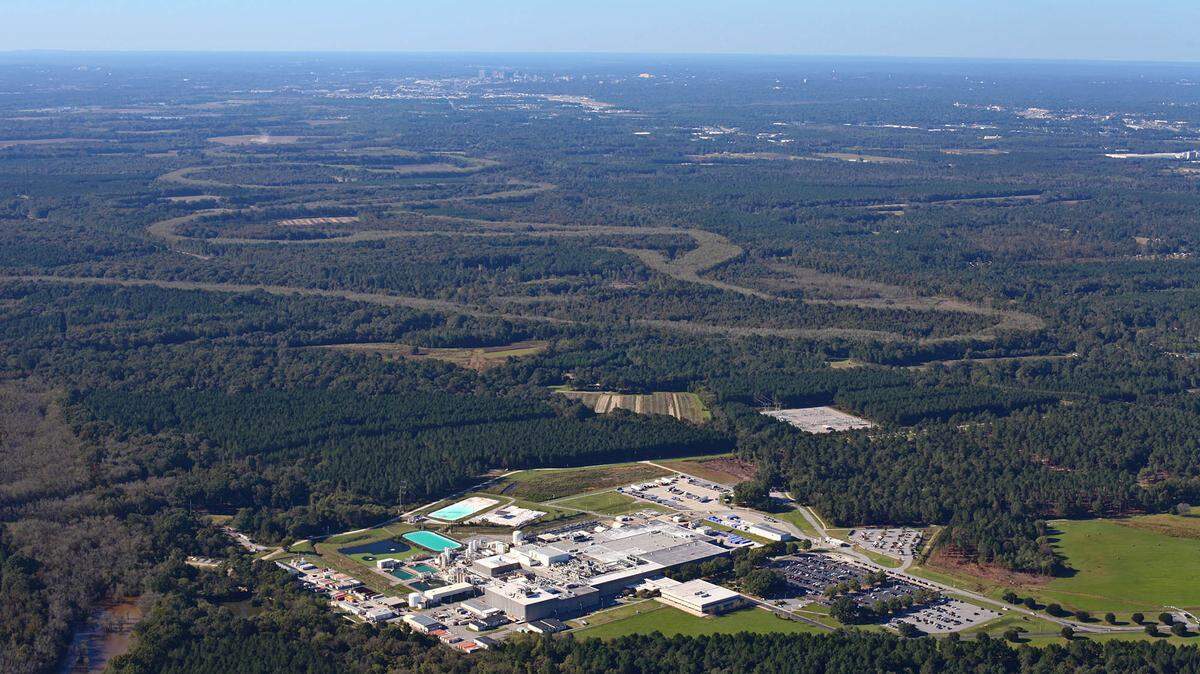
A panel of nuclear advisers to Gov. Henry McMaster favors a long-term operating license for a violation-plagued atomic fuel plant whose manager says the facility has been working to clean up its act.
The Governor’s Nuclear Advisory Council voted unanimously Monday to support Westinghouse Nuclear Fuel’s request for a 40-year license to run the Bluff Road factory. The committee took the vote after hearing a presentation from Westinghouse.
In requesting Monday’s vote, Chairman Rick Lee said he wanted the committee “to endorse and urge the NRC to issue a 40-year license.’’
Questioned about the vote following the meeting, Lee said the committee’s action is not intended to tell the federal government to grant the license, only that the license should be for 40 years, if such a decision is made.
The U.S. Nuclear Regulatory Commission is weighing whether to approve the license for the Westinghouse factory southeast of Columbia.
Critics have said the license should either be denied or, if approved, cover only 10 to 20 years because of the company’s troubled history. The current license expires in 2027, but the company says it would prefer to get the license now rather than closer to the expiration date.
“We appreciate all the work that you have done,’’ Lee told a Westinghouse executive at Monday’s quarterly meeting. “We’ve been on your case pretty heavily as individuals and as an organization. It’s good to see we are all aligned now.’’
Lee said the company had shown its commitment to cleaning up the site.
The Westinghouse plant, established in a remote area of Richland County more than 50 years ago, is a major source of jobs in the Columbia area, employing more than 1,000 people. The factory is one of only three nuclear fuel factories of its kind in the United States. It provides fuel rods for atomic power plants.
Monday’s vote is only a recommendation, but it is notable because it puts Republican McMaster’s nuclear advisory panel on record as supporting 40 years for a new license. A McMaster spokesman was not immediately available Monday afternoon to comment on the committee’s recommendation.
History of violations
The Westinghouse plant has had a history of environmental and safety violations, including in recent years.
In 2016, a major violation was discovered in an air pollution control device. Uranium, a radioactive material, had built up in the air scrubber, prompting a major federal investigation and raising questions about the plant’s commitment to safety. The buildup could have led to an accident jeopardizing plant workers.
Since that violation, federal regulators have discovered other troubles. Among them: The NRC has learned that uranium leaked through a hole in the plant’s floor, aging shipping containers had dripped uranium onto the ground, and that the company had failed for years to tell them about some of the groundwater contamination on site.
Representatives of the Sierra Club told Lee the committee was making a mistake in recommending a 40-year license. The club’s Pamela Greenlaw urged the committee to reconsider its vote, but the panel did not do that.
“I’m afraid that you all may have prematurely decided you’re going to recommend a 40-year license for the Westinghouse plant,’’ Greenlaw said.
“The rosy pictures have a very dark underside.”
Residents who live near the Westinghouse plant, many of them African Americans, have complained that the company has had little historic contact with the community and they worry about how leaks might affect well water they drink.
Studies still are underway to determine potential threats from the plant, including an archaeological study of impacts to Native American lands, Greenlaw said. A public comment period on environmental impacts also has not closed, she said.
Democratic state Rep. Wendy Brawley, who represents part of eastern Richland County, said a 40-year license is not advisable.
“If NRC determines that it is to be relicensed and the community doesn’t push back against that position, it should not exceed 20 years,’’ Brawley said in an interview with The State. Brawley said she has never advocated for a denial of the Westinghouse permit.
‘Proud of our progress’
Despite those concerns and troubles, Westinghouse’ executive Mike Annacone said the company has worked steadily to improve its performance, and he believes it has made headway. Preliminary studies show no long-term threats from the plant, he said.
“I’m very proud of our progress,’’’ Annacone said., noting that three independent laboratories have, so far, not found the plant has hurt the surrounding environment or will in the near future.
An environmental study by the NRC said the fuel rod plant presents mostly small environmental threats in the future and has recommended a 40-year license.
Annacone, Westinghouse’s vice president for Columbia fuels, said the company had made improvements “not only in dealing with challenges we’ve had from some of our legacy environmental issues’’ but also measures to “assure certainty into the future, to reduce risk of future operations.’’
Information presented to the committee shows the company, among other things, has established a website to become more transparent, installed 57 new monitoring wells to look for groundwater contamination, drawn hundreds of soil and sediment samples for analysis, quit using a toxic solvent when processing uranium, cleaned up a polluted waste lagoon and removed 62 shipping containers that contained radioactive material.
Annacone said the company prefers a 40-year license because of the time and expense needed to prepare a license application. A longer license helps the company assure customers about its future, he said.
“Our intentions are to be here for another 30 or 40 years,’’ Annacone said. “That’s why we wanted a 40-year license term. We’re in the business of signing long-term contracts with our customers. And so you know, from a customer perspective, clearly, the license term will send a signal around that long-term viability.’’
Lee said a long-term license makes sense.
“The last thing you want is to have a nuclear reactor that’s gone cold because it couldn’t get their fuel,’’ Lee said.
This story has been updated with comments from State Rep. Wendy Brawley, D-Richland and additional comments from chairman Rick Lee on the intent of the vote.
This story was originally published October 18, 2021 at 6:19 PM.