Columbia’s rivers have a problem: Sewage leaks are gushing from aging pipes
Utilities in metropolitan Columbia’s major river basins spilled nearly 1.9 million gallons of sewage in 2021, continuing a rising pollution trend along the waterways that attract thousands of recreational boaters, swimmers and fishermen.
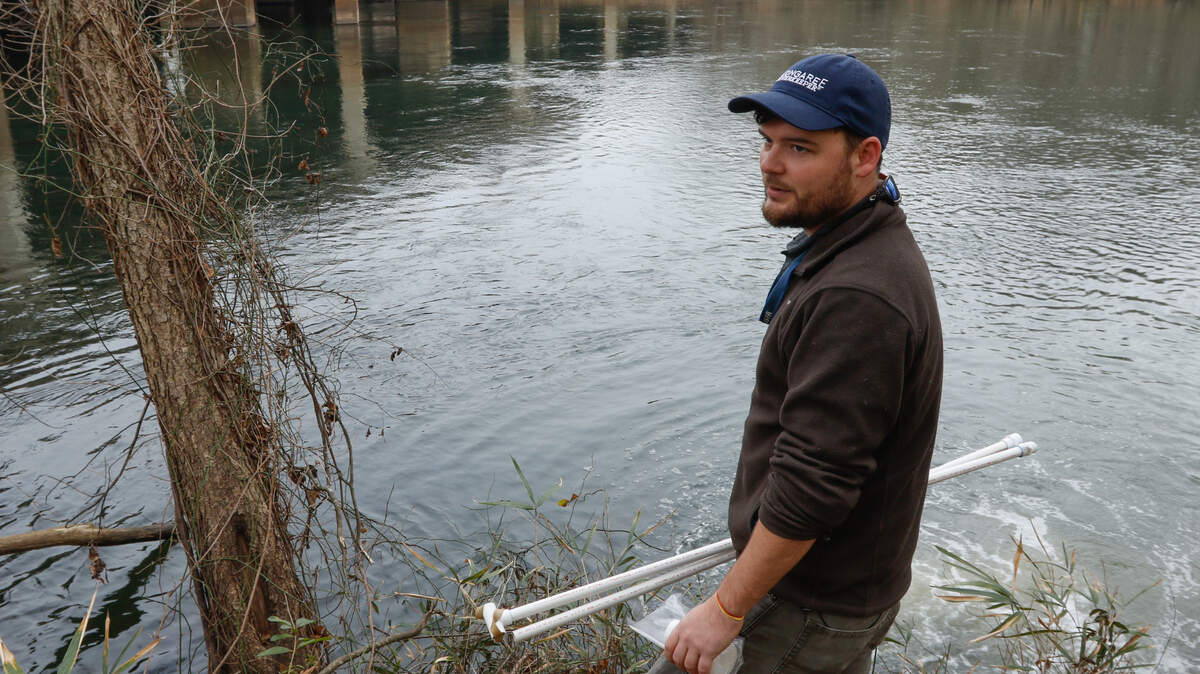
The Congaree Riverkeeper organization, which analyzed sewer spill data, says about a half a million gallons more sewage spilled in 2021 than in 2020. The group says the sewage releases in 2021 were also “significantly higher’’ than in recent years.
Bursting pipes, failing sewage pump stations and accidents accounted for much of the problem. In some cases, the problems occurred as a result of heavy rains overwhelming the sewage system, Congaree Riverkeeper Bill Stangler said.
But Stangler said that’s no excuse. The rising volumes of sewage that have spilled are disturbing – and the problem needs resolution, Stangler said.
“There is work that can be done to fix that,’’ Stangler said of system failures. “It shouldn’t be happening.’’
Leaking sewage is a concern because nasty bacteria can make people sick, particularly with upset stomachs. Swimmers, fishermen and boaters are at risk when untreated or poorly treated sewage washes into rivers. Spills in recent years have prompted temporary warnings against contact with rivers.
Since Stangler started compiling sewage spill data nine years ago, the highest single volume was released in 2015, a year with historic rainfall that deluged local systems. That year, some 5.6 million gallons spilled. But things began to improve, with the total volume of spills dropping each year from 2016 through 2018.
Now, spills are on the rise again, said Stangler, expressing frustration at the situation. Data show the volume of sewage spilled has increased each year since 2018.
“I thought we had rounded a corner on this,’’ he said.
By far, the largest number and volume of sewage released in 2021 occurred in the system operated by the city of Columbia, which has one of the state’s biggest wastewater systems. Its sewer lines run near the Congaree, Saluda and Broad rivers.
All told, Columbia had 100 of the 129 total spills, releasing nearly 1.5 million gallons of sewage, or about 79 percent of the total volume, according to the riverkeeper’s report.
Columbia working on repairs
Utilities’ officials with the city said Columbia is working to repair the wastewater system, and they believe the efforts will pay off. The city is under orders from the U.S. Environmental Protection Agency to clean up and fix the sewer system. The EPA fined the city $500,000 in 2013 after a series of leaks and spills.
Since the EPA’s action, Columbia has spent about $350 million on its extensive system of sewer lines, pump stations and other equipment the city relies on to treat sewage, a top official said.
The city also is improving the way it operates, Assistant City Manager Clint Shealy said.
Columbia expects to eventually spend about twice that amount to make all the necessary upgrades. A total of $750 million is estimated to be needed to make repairs and improvements, Shealy said.
“There’s still a whole lot of work – hundreds of millions of dollars of work – to get us where we need to be,’’ Shealy said.
The city of Cayce had the next highest volume of sewage spilled after Columbia, according to the riverkeeper’s annual report, with 307,000 gallons released in 2021. Most of that came from a single spill in April of 300,000 gallons near the Riverland Park neighborhood in Lexington County.
Smaller utilities, including Blue Granite Water Co., Palmetto Wastewater Reclamation and Richland County Utilities and Services, accounted for the rest of the spills, the report said.
According to the riverkeeper’s report, the Saluda River suffered substantially from wet weather that caused a series of sewage spills early 2021. All told, about 500,000 gallons were released.
A major spill occurred along the Congaree River in July near the Blossom Street bridge in the heart of Columbia. The city was conducting maintenance on a sewer system force main, but the effort caused a blockage that backed up sewage, resulting in the more than 200,000-gallon spill, Stangler said.
Effects on recreation
Sewage spills are a worry in any community, but the problem is particularly irksome to people who spend time on Columbia’s rivers and creeks.
The Saluda River below the Lake Murray dam is widely acclaimed for trout fishing, swimming and kayaking, the latter on its series of whitewater rapids. The slower moving Broad and Congaree rivers are popular with fishermen and tubers.
The rivers are also highly visible signatures of Columbia, running through major parts of the city and surrounding towns, and they help the local economy. Outdoors companies rent equipment to people wanting to paddle the rivers and creeks, and the outfitters also provide guided tours on Columbia’s rivers.
This story was originally published January 25, 2022 at 7:13 AM.