SC’s poor communities could get the short end of the federal money stick, leader says
A South Carolina climate and environmental justice group is urging state leaders not to forget poor, disadvantaged communities when they decide how to spend an influx of federal dollars in coming months.
The Rev. Leo Woodberry, who heads the New Alpha Community Development Corp., says communities with histories of poverty and environmental problems are in substantial need — and federal money approved under President Joe Biden’s administration can help.
But there are many competing interests that he worries could siphon money away from those he says need it most.
Woodberry, whose group held a news conference Thursday at the State House, said small, disadvantaged communities have a range of challenges, including the struggle to provide quality drinking water and dealing with flooding caused by climate change.
“We are in crucial times,’’ Woodberry said. “We have to make sure that those monies are allocated to the places where they should be allocated.’’
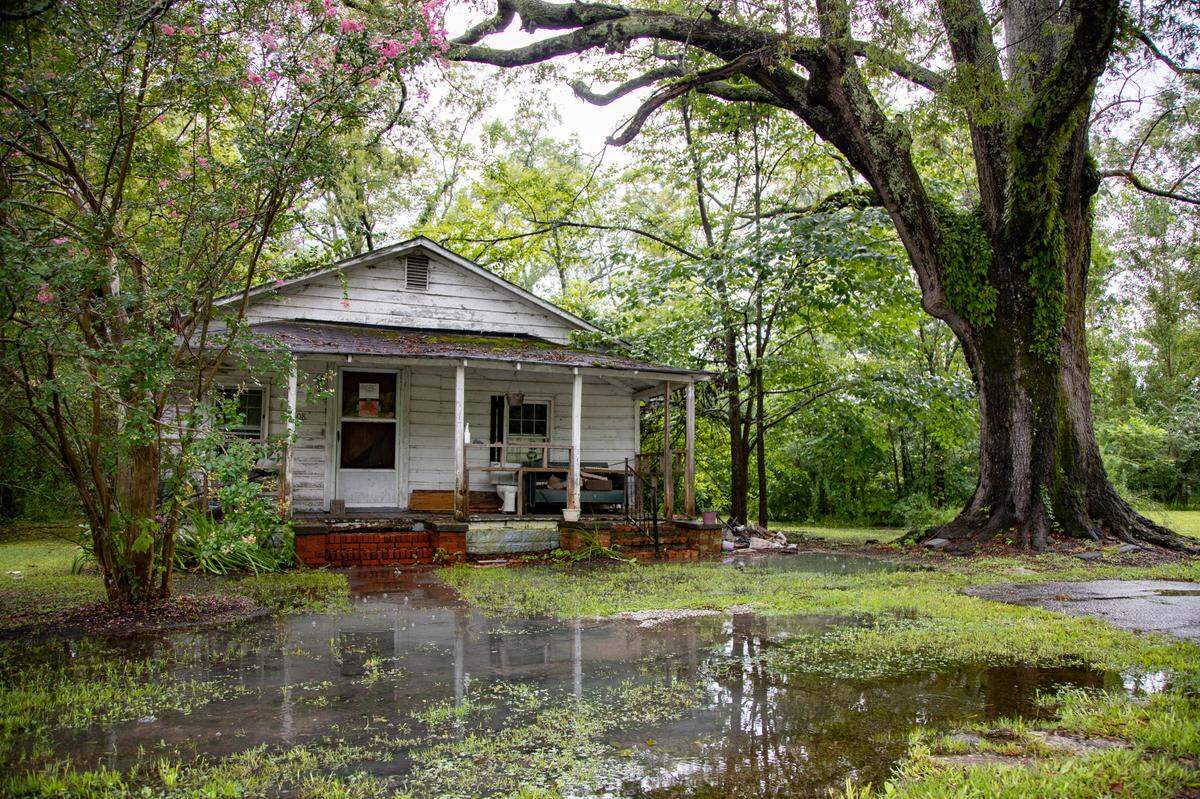
One community that needs help with the effects of climate change is Britton’s Neck, between Florence and Myrtle Beach, he said. The area, filled with swamps and creeks, has been soaked repeatedly by heavy rains in recent years. But its residents don’t have the money to respond to flooding, he said.
“We have people who have been told they have to elevate their homes by the county or they won’t be eligible for flood insurance,’’ Woodberry said. “But a lot of these are low income people on a fixed income.’’
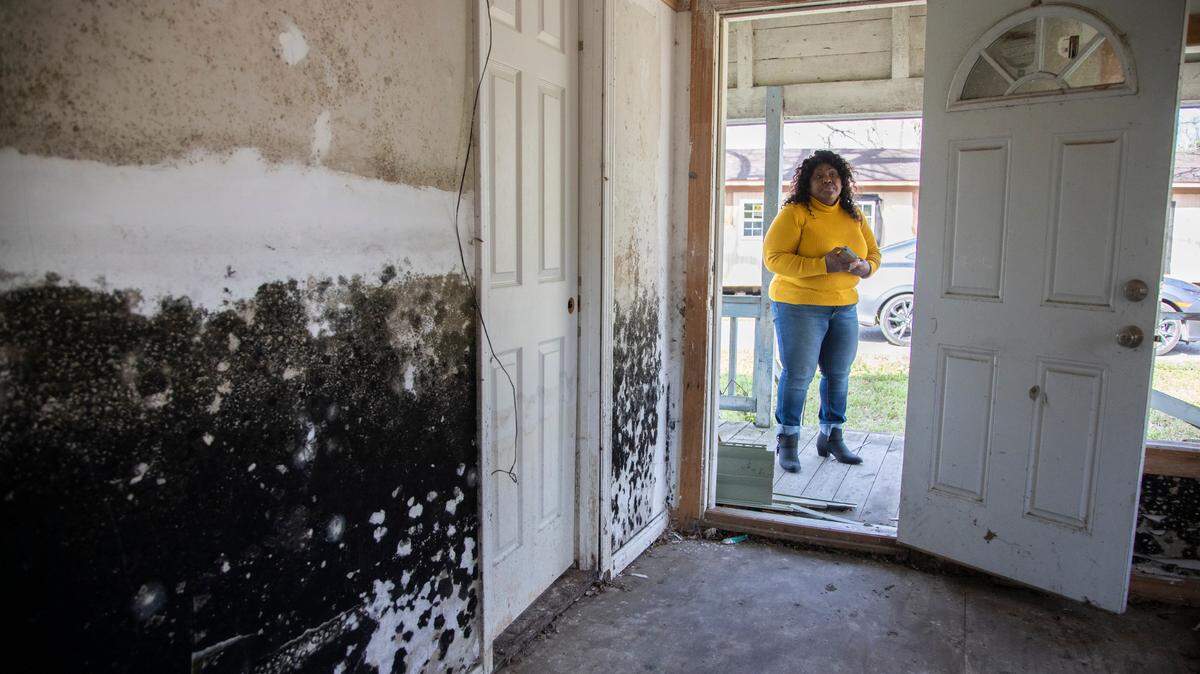
Other communities across the state also have suffered, he said. McClatchy highlighted the problem in a series of stories in 2020 about climate change and health. Among communities in need was Sellers, a small town where sickening mold grew inside homes after repeated floods.
At Britton’s Neck, the influx of federal money also could be used to pay disadvantaged property owners not to cut down the trees on forested property that help offset flooding near the Little Pee Dee River, Woodberry said. Some rural landowners are under pressure to harvest trees just to make ends meet, even though that can worsen flooding since vegetation helps control floods, he said.
“I had one say ‘Show me how I can make money another way and I won’t cut my trees down,’‘’ Woodberry said. “We’ve heard that more than once.’’
Overall, state legislators have discretion to spend about $2.5 billion, the governor’s office has said. The Legislature is now weighing where to allocate funds from the federal government. Up to $900 million could go to water and sewer systems through the American Rescue Plan approved by Congress. Republican Gov. Henry McMaster has unveiled a plan to spend $500 million of rescue plan money on water, stormwater and sewer systems.
The state Rural Infrastructure Authority proposed last month to allocate about 60% of federal grant money to big utilities because they serve so many people. But some state lawmakers, including Democratic Rep. Gilda Cobb-Hunter of Orangeburg, have said that plan needs to be reversed.
Smaller utilities are often poorly equipped to seek federal funds and have not had money through the years to match federal loans, even at low interest rates, The State reported in a 2019 series on out-of-the-way drinking water systems.
South Carolina has about 250 small utilities, or those serving under 30,000 people, the Rural Infrastructure Authority says. That’s far more than the number of big systems. Troubles with small utilities and aging water and sewer systems caught the attention of Democrats Biden and now-Vice President Kamala Harris while they were running for president.
During a 2019 campaign speech in Columbia, Biden said “it was unacceptable’’ that the state’s water systems were in such shape that they needed an estimated $2 billion worth of improvements at the time. The Biden administration, through its Justice 40 initiative, has sought to direct federal benefits from climate and energy programs to disadvantaged communities, E&E News reported recently.