After years of criticism, is DHEC on its last legs? Bill to dissolve agency advances
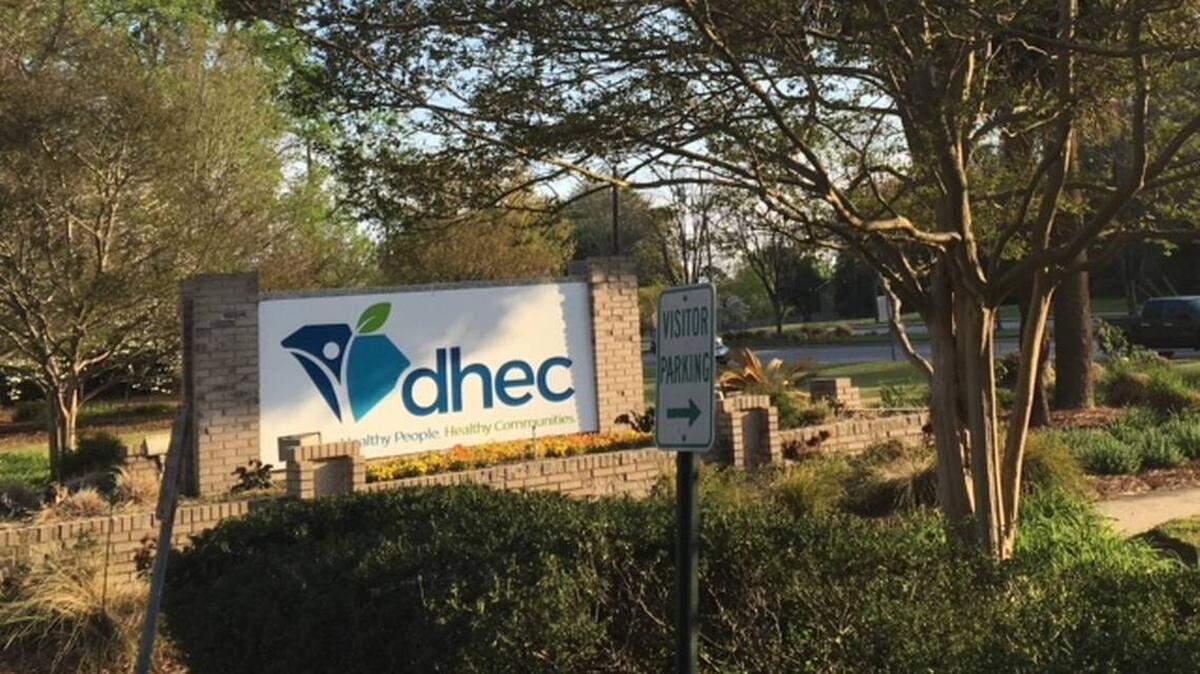
The long-running question of whether South Carolina needs a better way to protect the environment and public health could be answered this year — at least that’s what key state legislators are shooting for.
In what senators called landmark legislation not seen in South Carolina in years, the Senate Medical Affairs Committee voted unanimously Thursday to dissolve the S.C. Department of Health and Environmental Control, replacing it with two new departments directly under the governor’s control.
According to plans, DHEC’s environmental division would become a new, stand-alone agency responsible for monitoring air and water quality, regulating landfills, issuing pollution discharge permits and overseeing development along beaches, among other things.
The agency’s health division would become part of a new agency that also would include the state Department of Mental Health and the Department of Alcohol and other Drug Abuse Services. The state Department of Agriculture and the Department of Veterans Affairs would pick up some of DHEC’s responsibilities, as well.
The new health agency would be called the Department of Behavioral and Public Health. The new environmental agency would be called the Department of Environmental Services.
“This is the most significant piece of government restructuring in a generation, I believe — a very important piece of legislation,’’ state Sen. Harvey Peeler, R-Cherokee, said, echoing comments made by other members of the committee.
With Thursday’s vote, the legislation now goes to the full Senate for consideration. It would still need House approval before the legislative session ends in May. Gov. Henry McMaster would also have to sign the legislation. If approved, the changes would not take effect until mid-2023, according to plans.
DHEC, one of the state’s largest agencies with more than 3,500 full-time workers, was created in the early 1970s, for the first time combining the state’s pollution control agency with the state health department. Supporters of DHEC said it made sense to have health and environmental functions in one department because they are so closely related.
But through the years, the agency has been criticized for being unwieldy, secretive, bureaucratic and slow to react. Overseen by a part-time board, DHEC has sometimes known about an array of environmental problems and health threats, but often has taken years to address them.
In one case, the department knew about low quality and lead-tainted drinking water in a poor Columbia-area community for two decades before resolving the problem, The State reported. Even after that, the agency spent months downplaying the threat of lead in drinking water.
During the early stages of the Covid 19 pandemic in 2020, the department took heat for its failure to provide information about hot spots of coronavirus outbreaks. McMaster later ordered the agency to be more forthcoming. The department’s director, a former board member, quit during the height of the pandemic.
Those who favor a DHEC breakup say separate environmental and health agencies might be better able to respond.
The governor said last year that he favors splitting up DHEC and putting the department directly under his authority as a cabinet agency. The agency’s troubles were highlighted during the pandemic, he said.
“A jack of all trades is the master of none,’’ McMaster said in his 2021 state of the state address. “The pandemic, against the backdrop of our expanding economy, has highlighted the agency’s need to move and act in a more nimble and responsive fashion.’’
DHEC supporters say the agency has generally been effective at protecting both public health and the environment, and they have defended keeping the status quo. Last year, the department board hired a new director, a former military doctor who has aggressively attacked the pandemic.
Despite the ease at which the bill passed through the committee, it still faces scrutiny in the full Senate and in the House, with some saying the plan is moving too fast.
The committee voting to dissolve DHEC didn’t provide the general public much opportunity to comment on the plan during hearings that began last spring, critics say.
Some environmental groups are concerned there are hidden problems that could arise from a bill they say has not been vetted extensively.
The bill, for instance, eliminates the DHEC board, which apparently eliminates a process of appealing staff permit decisions, conservationist say. That allows citizens to voice their opinions on staff decisions without the expense of hiring lawyers. The board is appointed by the governor, but he does not have direct control over DHEC’s director.
“There are a few things we are worried will get lost in the fray,’’ said Rebecca Haynes, deputy director of the Conservation Voters of South Carolina. “The appeals process is undone. There is no internal review without the DHEC board. How do you address that?’’
Sen. Brad Hutto, D-Orangeburg, questioned the loss of the DHEC board’s role in hearing appeals, but voted to send the bill to the full Senate for consideration. He was told appeals of permits would be heard before the state Administrative Law Court.
The Nature Conservancy, one of the country’s most visible land protection organizations, also has raised questions about moving some water planning staff members from the Department of Natural Resources to the newly formed agency. The DNR is working on a state water plan and there are concerns that the already cumbersome process could be further slowed.
While DNR’s hydrology section would be moved to the new environmental department, Peeler said Thursday the bill will send the DNR’s flood mitigation staff to the state Office of Resilience.
The state Chamber of Commerce has said it was comfortable with the proposal after the bill was amended. The initial bill would have put many of DHEC’s environmental programs under the Department of Agriculture, an agency overseen by an elected director.
The plan to dissolve DHEC won’t be without cost.
A state financial analysis of the bill shows that dissolving DHEC carries an $18 million upfront cost. Concerns have surfaced about creating new divisions within the new agencies, such as legal teams and human resources departments.
Peeler, a long-time senator and dairyman who has said DHEC isn’t effective enough, said lawmakers will try to keep the cost of the transition down.
“There will be some cost, and to predict that today, would be impossible,’’ Peeler said, noting the state has dealt with government restructuring issues before.
The S.C. Legislature, following a bribery scandal in the Legislature more than 30 years ago, voted for a major government restructuring plan in the early 1990s in an effort to make state government run more efficiently.
At the time, DHEC and the Department of Natural Resources took on some of the duties of the old state Water Resources and Land Resources commissions, which were dissolved at the time. DHEC also absorbed the S.C. Coastal Council, which was a free-standing agency overseeing coastal development permits.
This story was originally published March 3, 2022 at 1:01 PM.