State agency gave chicken farmers improper breaks from pollution rules, SC court says
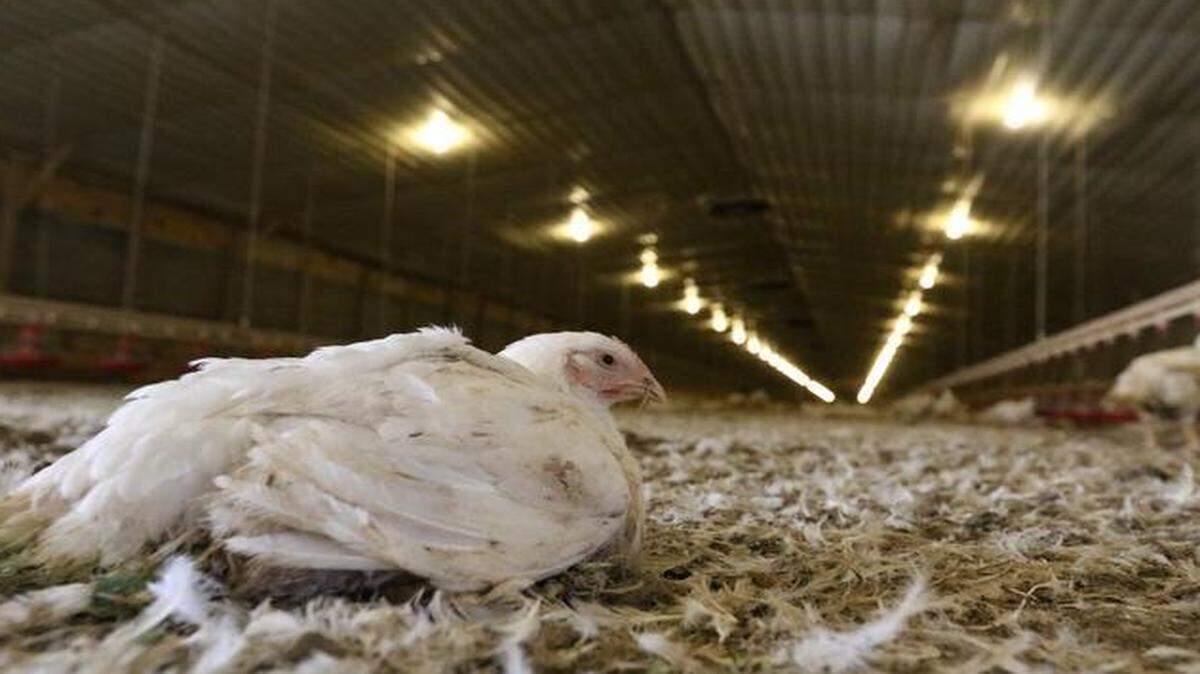
In a rebuke with substantial implications for the state’s booming poultry industry, South Carolina’s second highest court says environmental regulators gave chicken farmers improper breaks from rules intended to prevent water pollution.
The S.C. Court of Appeals says the Department of Health and Environmental Control misinterpreted state environmental rules that call for large poultry farms to get water pollution discharge permits before opening.
DHEC wrongly determined that a group of proposed chicken farms in Laurens County didn’t need discharge permits because the agency did not think the farms would pollute rivers and streams, according to the May 25 ruling.
But the court said DHEC’s own studies showed that a nearby river already had been contaminated with bacteria from other agricultural operations — and state rules generally require pollution discharge permits for big farms.
Requiring permits is significant because, to receive one, a farmer must show DHEC that agricultural activities won’t pollute rivers and creeks.
In last month’s ruling, the Court of Appeals said a lower court had “erred in deferring to the department’s interpretation’’ of state rules on when to issue discharge permits for farms.
While the ruling focused on a plan for 18 new chicken houses in Laurens County, it could force DHEC to increase statewide oversight of potential pollution from poultry farms, several lawyers familiar with the ruling said. Farmers across the state who seek to open poultry-growing operations now may need water pollution discharge permits, they said.
If the ruling is not overturned, it “would fundamentally alter the way animal feeding operations are permit(ted) in the state,’’ likely requiring discharge permits “for all new agricultural facilities,’’ according to a written analysis of the ruling by the Nexsen Pruet law firm.
That should be of interest to officials with the S.C. Farm Bureau and chicken farm supporters, who have complained for years that the state’s oversight of poultry farms has been burdensome.
As a result of the Farm Bureau complaints, the state Legislature has in the past 20 years weakened some of the environmental rules over chicken farms. That includes banning local governments from having their own chicken farm restrictions and making it easier for poultry farms to open close to neighbors’ property.
Now, the court is saying the rules that did exist were not applied properly in the Laurens County case, a decision indicating that large poultry farms across the state have been approved without the required water pollution permits.
South Carolina has about 770 chicken and turkey farms, many of them clustered in a handful of counties in the central and western parts of the state, according to DHEC. Lexington County has traditionally been South Carolina’s top chicken-producing area.
Chicken farms produce about 250 million birds each year for meat that people eat, federal statistics show. The state ranks 13th nationally in broiler chicken production, according to the S.C. Poultry Federation. All told, the state’s poultry industry generates $1.5 billion in sales annually, the Poultry Federation says.
But chicken farms also cause powerful odors that irk their neighbors, and the farms sometimes contaminate rivers and groundwater. Rainwater that washes over manure can run into streams, causing algae blooms and increases in harmful bacteria.
Bob Guild, a Columbia lawyer who handled the case for neighbors against the Laurens County farms, agreed the appeals court ruling could have significant effects on other poultry farms in South Carolina. But he said that’s a good thing. DHEC has been giving breaks to chicken farms that weren’t legal, Guild said.
The agency “had regulations on the books that they were found by the court to have failed to enforce,’’ said Guild, a veteran attorney with years of expertise in state poultry farm cases. “Their interpretation was idiotic. It just made no sense whatsoever. It was a dereliction of their responsibility.’’
Charles Blackmon, a Laurens County resident who hired Guild to challenge DHEC permits near his property, said he’s delighted with the Appeals Court decision. The state needs better control over poultry farms to reduce powerful odors and to protect streams like Little River in the Upstate, he said.
“The thing I wish will most come from this is that DHEC will be more careful in the future in selecting these sites,’’ Blackmon said.
The Mountville area of Laurens County already has clusters of chicken farms that foul the air and threaten water quality, he said. The proposed 18 chicken houses would have contained an additional 400,000 birds at any one time, records show. The Mountville area is about an hour’s drive northwest of Columbia.
Several sites along Little River near Mountville have been contaminated from “excessive levels of fecal bacteria,’’ the Appeals Court ruling said, citing a 2004 DHEC report. The court said the DHEC report cited “poultry facilities as possible contributors to the impairment.’’
Blackmon said the area where he owns land doesn’t need any more chicken farms that are not properly vetted, particularly with Little River so close by, he said.
“I used to swim in it when I was a boy,’’ Blackmon, 73, said. “Now, it is polluted beyond recreational purposes.’’
The rules examined by the Appeals Court say the chicken farmers either needed pollution discharge permits to open farms — or DHEC needed to conduct studies saying the farms had no potential to release pollution into rivers.
In the Mountville case, the department did neither, Guild said.
In addition, DHEC did not require water pollution discharge permits because a federal court ruled in 2005 that they are not always required under federal law. But state rules that mirrored the federal law were not repealed after the 2005 federal court decision, meaning the state has tougher standards.
An attorney for the Laurens County chicken farmers was unavailable Friday to comment on whether an appeal of the Appeals Court was being prepared. The Coggins and Young broiler companies are seeking to open the farms. Efforts to reach the farmers were unsuccessful.
If they don’t appeal or lose an appeal, the chicken farmers could go to the Legislature and seek to have the state law changed so that discharge permits are not required.
Blackmon said he expects an attempt in the Legislature to change the rules, given the sway of the farm lobby among state lawmakers.
The S.C. Farm Bureau, one of the most influential business groups in South Carolina, referred questions on the ruling’s impact and potential legislative changes to DHEC and state lawmakers.
In a statement Friday evening, DHEC said it is still assessing the fallout from the Appeals Court decision, but an update to state regulations could result. The court ruling blocked approval of the farms. DHEC was told to re-examine the case.
“Since this ruling was issued on May 25, DHEC has received inquiries from stakeholders about how DHEC will proceed in permitting poultry farm operations,’’ the statement said. “DHEC advised (that) the agency is working to promptly determine the best next step, which may include updating current applicable state regulations for poultry farms.
“The agency will stay in communication with stakeholders, to include the poultry farm industry, state Legislature, and environmental groups, as next steps are determined.’’
This story was originally published June 5, 2022 at 5:00 AM.