Stories of stink: Carolinas residents recount how a paper plant affected their lives
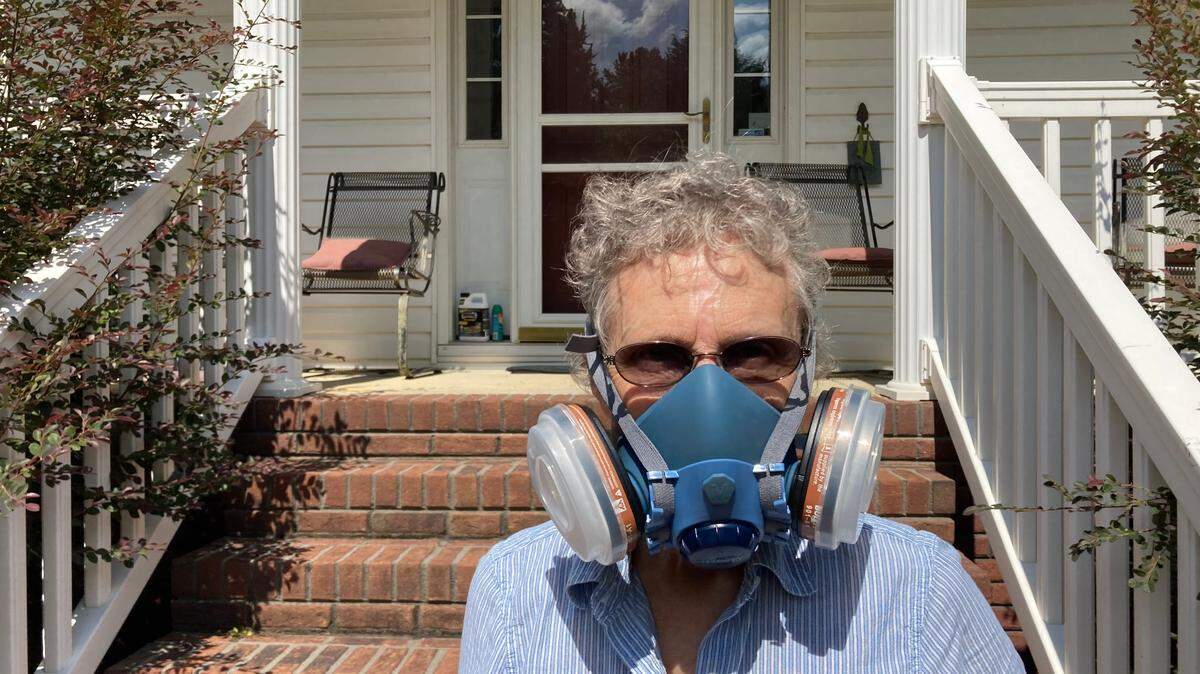
Betty Rankin spoke reassuringly to Poncho, cooing at the chestnut-brown horse as he walked through the corral outside her home in York County.
It was a sunny September afternoon, perfect for riding the muscular steed she has grown to love through the years. But unfortunately for Rankin, she wouldn’t be riding Poncho that day.
A trot through the woods might be dangerous for Rankin — and not because of any direct threats from the horse, the retired school teacher said.
Rankin said she nearly collapsed last year after trying to ride Poncho as winds blew industrial pollution up her driveway. Her lungs ached and her legs felt like they had turned to jelly from exposure to noxious fumes, she recalled.
“I can be fine one second, and then it’s like a cloud of toxins,’’ she said. “With this uncertainty and knowing what (this) does to me, I have to weigh the risk versus the reward of riding.’’
Rankin, 77, is among multitudes of people who say their lives have been disrupted during the past two years by odors and air pollution from a paper mill that operates in their midst south of Charlotte.
Scents resembling rotten eggs, cat urine, spoiled cabbage, skunks, sweet chemicals, feces, and menthol have floated on the breeze since early 2021, say those who complained to regulators in South Carolina. All told, as many as 49,000 complaints have been registered about New-Indy.
Neighborhoods, elementary schools, Little League baseball parks and shopping centers have been hit with odors so strong that people complained of headaches, nausea, burning lungs, watery eyes and vomiting.
Every type of community has been affected, from well-to-do areas like Indian Land and Tree Tops to trailer parks and modest homes that dot York and Lancaster counties in South Carolina south of Charlotte.
North Carolina residents in Union and Mecklenburg counties, home to Charlotte, also have complained about odors they say have upset their lives.
Some people say they would never have moved to the area had they known about the odors. Others have said they might move away to escape the stench.
“It is in the air and it is thick,’’ said Rebecca Albanese, a former New Jersey resident and the mother of four children who lives in Waxhaw, N.C. “It’s like an invisible smog. When you go out, you can feel it. It gets in your nose, it gets in your throat. It’s gross. It’s something I’ve never experienced.’’
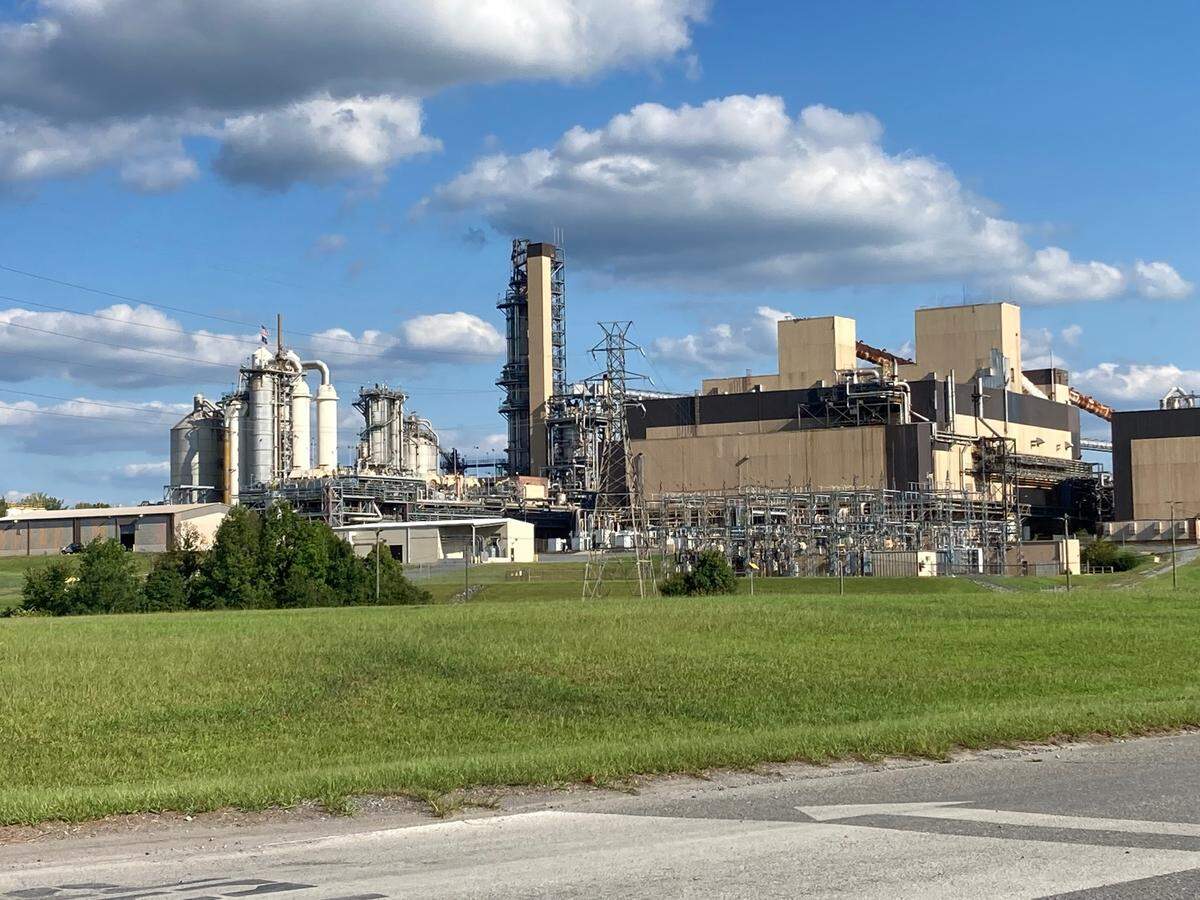
The target of many complaints is the New-Indy Containerboard plant, a hulking facility that generated strong odors following its decision to abandon a key pollution control device.
A major pollutant of concern has been hydrogen sulfide, a gas that causes the rotten egg odors many have complained about. But methyl mercaptan and other toxins also are a source of worry for people who say they are affected by New-Indy discharges.
Company owners acknowledge problems, but records provided by New-Indy and state regulators indicate that odors have been reduced recently as the company scrambles to make improvements. And New-Indy says it is working with a group of area residents to address their concerns.
“We understand from feedback that we have received from these members that they are very pleased with New-Indy’s frank and complete responses and New-Indy’s willingness to address any topic,’’ company spokesman Adam Bernstein said in an email. “We are eager to expand the size of that community engagement group and welcome anyone who is interested in participating. ‘’
Still, it could be a while before many people are satisfied with New-Indy’s efforts, if ever.
South Carolina resident Andrew Tagliani is still upset.
“I don’t trust that this is safe,’’ he said. “How many times did you hear that cigarettes were safe back in the 60s? What happened later on?’’
Sour move south
Tagliani, a 39-year-old former Staten Island, N.Y., resident, knows about odors.
He grew up near the infamous Fresh Kills landfill in New York, a source of foul smells before it closed years ago, he said.
Eventually, Tagliani said he grew tired of New York for a variety of reasons, ultimately looking to move south for a quieter life.
“The expense of New York, COVID, housing, politics,’’ he said, recounting why he left and explaining that his employer allowed him to work remotely.
He decided the Charlotte-area would be a fine place to raise a family. He bought property in the South Carolina suburb of Indian Land, a small town that has attracted retirees and young families from across the country. Tagliani built a house there and settled in.
Not long after he relocated from New York, odors began to waft through his community, he said.
“At first I didn’t know what it was,’’ he said. “We thought maybe it was just construction smells because construction was going on. We had no idea this was a New-Indy thing.’’
The odors were strong enough to curtail outdoor activities, including walks through the neighborhood, the father of three young children said. And the smells were persistent for more than a year.
“The thing that really (ticks) me off is that the plant was allowed to do this,’’ he said.
Tagliani, who raised concerns at a U.S. Environmental Protection Agency hearing last winter, said the odor isn’t as persistent as it was last year, but it’s just as unpleasant when it flares up.
“If I’m walking the dog, it’s like ‘Hurry up and do what you need to do. ‘ I need to get inside, I don’t want to be smelling this, I don’t want my eyes to start burning,’ ’’ he said.
“If I had to put a percentage on it, it is 70 percent better now, but the other 30 percent, to me, is still too much. You shouldn’t be having this issue to go outside for fresh air.
“Fresh air is free.’’
Vomiting and burning eyes
Since May 15, nearly 1,800 complaints about odors near New-Indy have been registered with the S.C. Department of Health and Environmental Control, agency officials say.
The agency says not all complaints have been confirmed as related to the mill, but many of them are.
One June 8 report from a Fort Mill resident recounted an unpleasant stroll, according to DHEC’s database of odor complaints. The agency’s complaint database does not include the names of those who register concerns with the agency.
“We started out for an evening walk and had to turn back,’’ the complaint said. “The smell is so noxious, I started coughing, my throat was burning and I started to gag. Very sad that we can’t enjoy our outdoor living.’’
One North Carolina resident, who lives on South Rea Park Lane in Charlotte, reported “vomiting, severe headaches, dizziness, burning eyes’’ and other ailments from exposure to a sweet disinfectant smell on June 2.
Other complaints, filed June 7, described a “porta-potty’’ and burning plastic smell.
“Tonight was by far the worst I’ve smelled since New-Indy has been polluting,’’ according to a complaint from a resident of Triple Branch Trail south of Fort Mill. The complaint said going outside was not advisable “because of this stink.’’
In March, a complaint from Grantham Court in Fort Mill noted that a person’s “eyes are caked shut.’’ Multiple complaints in late 2021 said the odors had put a damper on holiday activities.
“Wonderful Thanksgiving week off to a rotten start with the .... disgusting smell in the air,’’ one South Carolina complaint said. “Smells like sweetened up urine. Just wonderful to be breathing it in. NOT!’’
Albanese, who also spoke at the EPA hearing in January, said odors were so powerful in 2021 that she would not let her son play in a fall baseball league because she worried about his health. She also was pregnant and did not want to risk complications.
This year, Albanese let the 9-year-old play because the odors are not as constant as they were in 2021 — but the stench still flares up.
“I went out to the first practice this season, and sure enough, I get out of my car with a newborn, and I’m like ‘Are you kidding?’ It reeked,’’ Albanese, 38, said. “And you are stuck. What am I going to do?’’
Albanese said in addition to experiencing the odor at a Little League complex in the Waxhaw area and sometimes at her home, she picks up the stench while shopping on U.S. 521 near the North Carolina-South Carolina border. She also has noticed it in downtown Waxhaw, she said.
Sara Cardelle, who moved from the Washington, D.C., area to Fort Mill, S.C., about three years ago to be closer to her parents, now questions whether she should have invested in the area.
“I would have never purchased this house if I knew this would be a problem,’’ she said.
The odor was relentless when she emerged recently from a music class with her young daughter in a North Carolina suburb south of Charlotte.
“It was in your face, like nauseating,’’ Cardelle said of her experience in late July. “It feels like I’m getting it wherever I go.’’
Cardelle, 37, said her parents, who live in Indian Land, noticed that the odors worsened after New-Indy took over the old Bowater paper plant about four years ago.
“My parents have lived here for nine years, and they were around for the old paper plant,’’ Cardelle said. “They smelled it four times a year. You can’t compare now what they were smelling before.’’
York County resident Sharon Rash, who lives on Huntington Farm Road in the Catawba community, described recent odors as like “you stuck your head down into a container of Clorox.’’
While the mill produces jobs, she’s unimpressed, Rash told The State during a May interview.
“People keep talking about ‘This is the smell of money,’ ‘’ she said. “But I said ‘If money smells like that, I don’t want nothing to do with it.’ It will absolutely, on occasion, choke you to death.’’
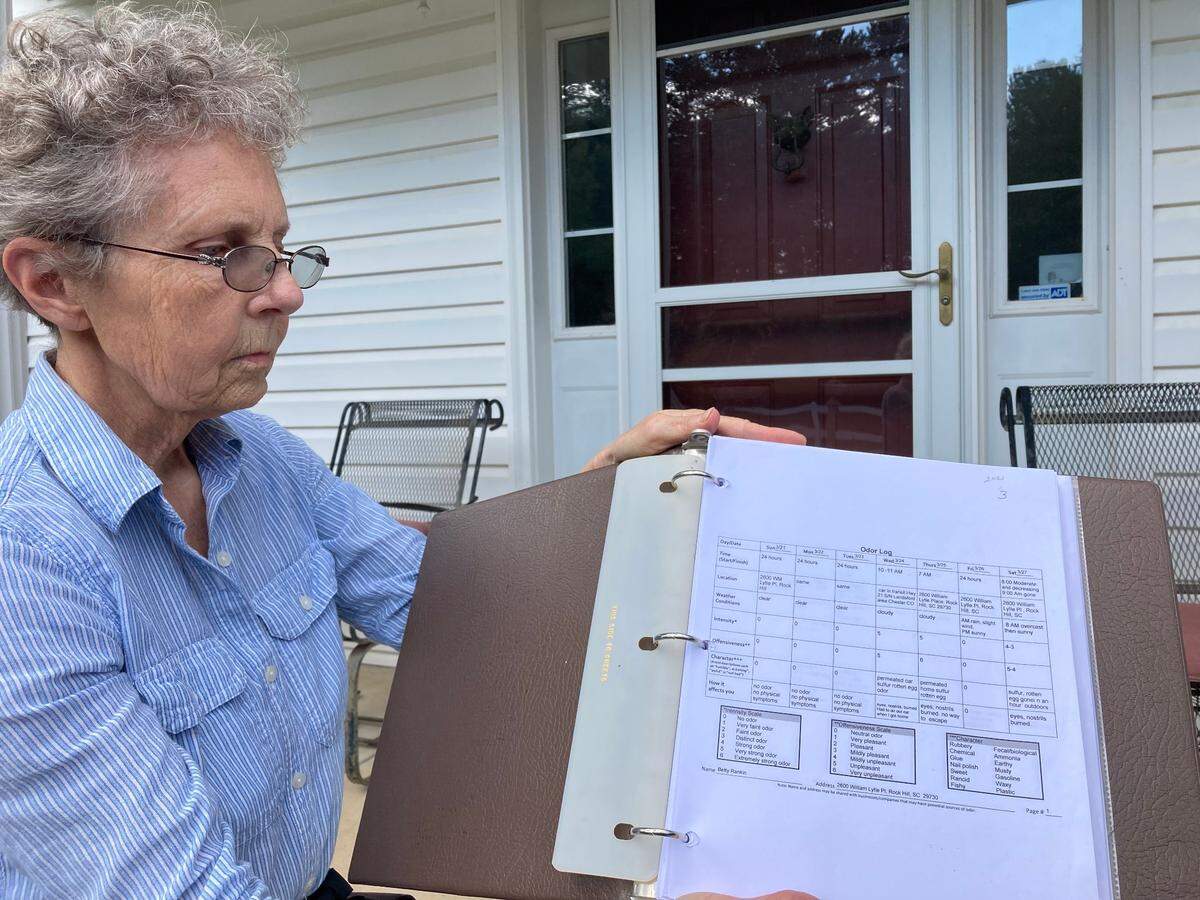
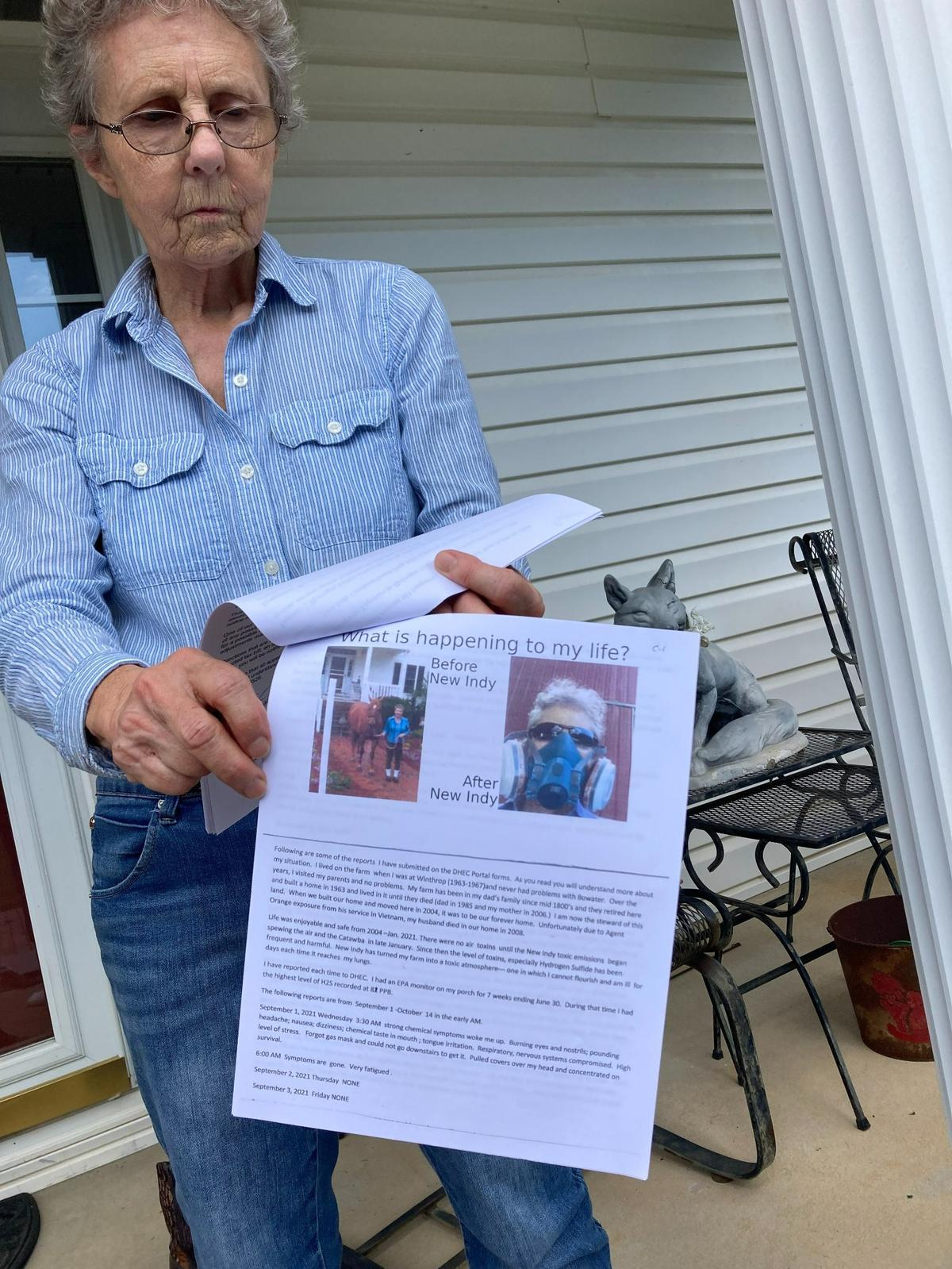
To protect herself, York County’s Rankin sometimes wears a gas mask to filter out pollution. She also has kept a pollution log for parts of the past 18 months, an effort that documents an array of problems she has had.
When the pollution blows her way and she’s not wearing the mask, Rankin said it stings her eyes, “it starts growing in your nostrils, it goes to the throat, the saliva starts to thicken and your chest says ‘I don’t want to take this.’ ‘’
Native American concerns
The Catawba Nation, which has inhabited what is now the Rock Hill-Lancaster area for some 6,000 years, worries about the health effects on the tribe and its children.
While the Catawbas say that odors have decreased since this summer, a smell remains — and it “gets stronger, depending on the weather,’’ the nation said in a statement Friday afternoon.
“The Catawba Nation is concerned about the odors because the smell is related to the hydrogen sulfide chemical release in the air,’’ the statement said. “The nation’s childcare facilities are located less than six miles from New Indy’s Facility; therefore, Catawba children are directly exposed to New Indy’s harmful chemicals, such as hydrogen sulfide.’’
“There is concern with the potential cumulative health effects stemming from the combined air and water pollution from New-Indy’s Facility.’’
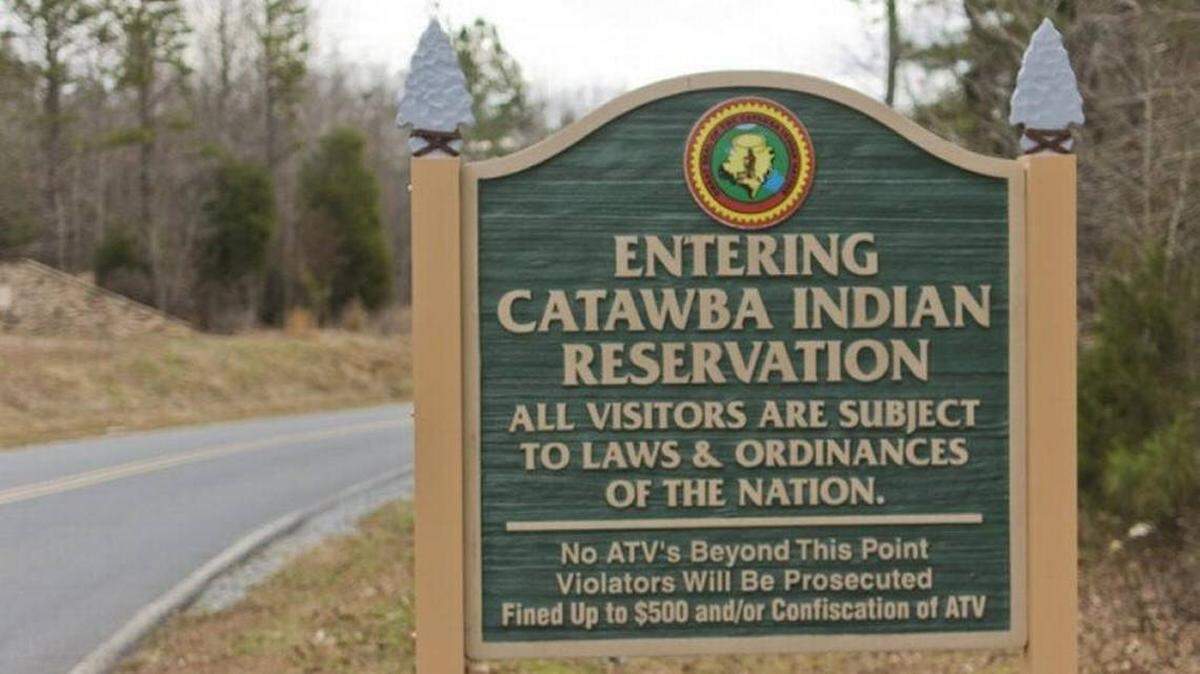
Because of those issues, the Catawbas say they have talked with New-Indy staff members about efforts to reduce the odors. The nation’s environmental services department has been invited to community engagement meetings to discuss the issue.
The Catawba Nation statement said the tribe also is concerned about the potential impact of the New-Indy mill on the Catawba River. Dioxin and other pollutants are contained in aging waste basins near the river. The tribe’s members fish from the river, hunt wildlife along its banks and obtain clay for pottery near the waterway.
The Catawba Nation’s 700-acre reservation is along the river that bears its name. The nation, which once inhabited much of the foothills of the Carolinas and southern Virginia, has about 3,300 members and is the only federally recognized tribe in South Carolina.
Toxic effects
Regular exposure to low levels of hydrogen sulfide, typically considered under 10,000 parts per billion over seven days, can cause people to cough, wheeze and have difficulty breathing.
That same exposure also can burn nasal passages, irritate eyes and lead to headaches. Even at low levels, it’s easy for the average person to smell hydrogen sulfide in the air.
But those exposed to high enough levels also can lose their ability to smell the rotten egg odor, as Rankin said has occurred with her.
“It actually interferes with your body’s ability to smell and so at very high levels, the ability to smell hydrogen sulfide goes away,’’ Emory University toxicologist Melissa Gittinger told York County residents at a hearing earlier this year. “So odor does not correlate with the amounts of hydrogen sulfide that’s in the air.’’
Exposure to extremely high levels of hydrogen sulfide can be fatal, particularly when people are in enclosed spaces. Levels that high haven’t been documented near New-Indy.
At the same time, Gittinger said hydrogen sulfide is not known to cause cancer or birth defects in children.
“There are still a lot of unanswered questions that remain,’’ she said. The gas is produced by sewer systems and industrial plants, among other sources.
Economic engine
The plant was operated for decades by Bowater and later by Resolute Forest Products.
It was sold to New Indy, a national corporation, in 2018. The privately owned New-Indy makes and supplies corrugated boxes, recycled containerboard and linerboard for the packaging industry, according to the company’s website.
One of its co-owners is Robert Kraft, the owner of the New England Patriots professional football team.
Despite complaints about New-Indy, the 940,000-square-foot factory has for decades been an important part of the community in York County.
It’s a major source of jobs, employing about 450 people. It pays some $8 million in real estate, personal property and sales-and-use taxes annually, the company says.
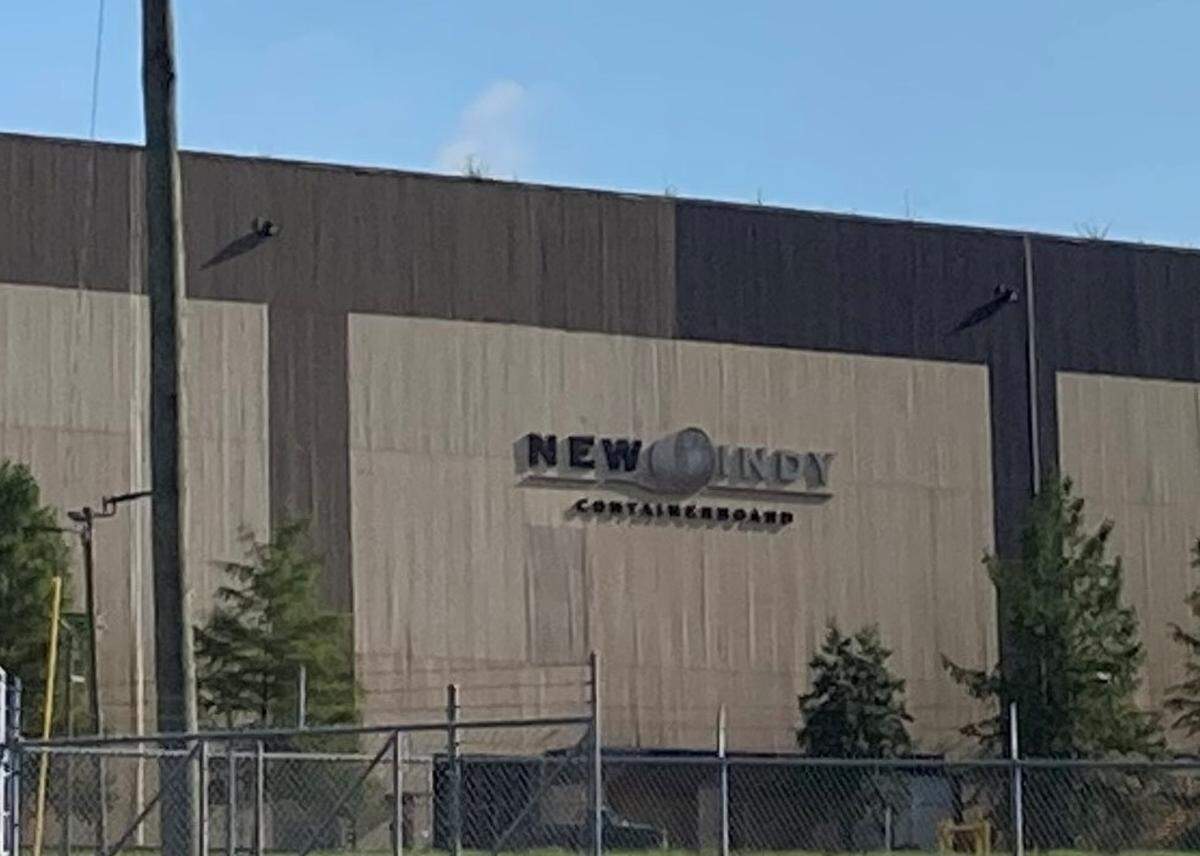
New-Indy buys wood from 110 regional suppliers, 85 percent in South Carolina and 14 percent in North Carolina, the company’s website says. All told, the New-Indy Catawba factory has a $310 million economic impact annually, the company says.
The company also is involved in the community, helping organizations that support libraries, schools, and housing for the poor.
That’s nothing to ignore, supporters say.
After acquiring the facility, New-Indy drew praise from S.C. Gov. Henry McMaster for what he said was a $240 million investment in the old Bowater plant.
““When a company like New-Indy Containerboard decides to invest nearly a quarter billion dollars into our state, it further builds our reputation as one of the best places in the world to do business,’’ McMaster said in a Dec. 11, 2019, news release. “We congratulate New-Indy Containerboard on this project, and we can’t wait to see what the future holds for the company.”
Even state Sen. Michael Johnson, recently one of New-Indy’s biggest critics, was at the time effusive about the company’s acquisition.
“We couldn’t be more pleased that New-Indy Containerboard has chosen to make such significant investment in York County,’’ said Johnson, a Republican who was then York County Council chairman. “This is great news for our community in terms of jobs retained and a welcomed addition to our growing list of recycling and manufacturing companies.’’
Pounds of pollution
While the company has a notable economic impact, the paper mill has had its share of environmental effects, even before problems occurred under New-Indy’s ownership.
The federal Toxics Release Inventory, which tracks industrial plant pollution, shows that New-Indy releases about two-thirds of the pollution emitted from industrial plants in the York County area.
Under previous owners, the plant once produced deadly dioxin, a material that today is still contained in waste basin sludge at the New-Indy site along the Catawba River.
Meanwhile, New-Indy’s efforts to switch from making paper to unbleached material had problems.
The source of many odors that caused such a stir came from a breakdown in New-Indy’s wastewater and pollution control systems as the company made the switch.
A company decision to stop using a pollution control device known as a stripper — approved by state regulators — coupled with a clogged wastewater pond, released the stench over parts of the Carolinas near Charlotte beginning in early 2021, The State has previously reported.
The odor was described as stronger than anything the more than-60-year-old plant had ever routinely released.
At one point, the EPA found hydrogen sulfide levels of up to 15,900 parts per billion, notably higher than levels that can trigger breathing problems, headaches and nausea from extended exposure, Reuters reported in August 2021.
Today, New-Indy says the odor problem is easing up, the result of improvements at the plant since the strong smells first were reported.
The company says hydrogen sulfide releases have been relatively small for at least a year, as indicated by monitors on the property. The company also has checked for other toxic pollutants and found nothing to be concerned about, officials say.
New-Indy even said this past week that the York County paper mill doesn’t smell as bad as some other paper mills, historically sources of foul odors.
Company efforts to reduce odors include restoring the pollution control device that was taken offline, cleaning out clogged wastewater basins, repairing aeration equipment and injecting material into the wastewater stream, a corrective action report shows.
“Because New-Indy has invested so much effort to detect possible odor sources and to remediate the processes that typically generate odor, New-Indy Catawba generates far less odor, far less frequently now than most other industrial activities, including paper mills,’’ the company said in a statement.
In an email to The State, DHEC agreed that hydrogen sulfide releases and odor complaints have dropped in the past year at New-Indy as a result of actions taken by the company to control the stinking pollutant.
And even though many people have complained, not everyone sees the paper mill as a major source of odor. Some area residents say they haven’t noticed odors that are out of the ordinary.
Misleading and miserable
Kerri Bishop, who has a Facebook page that provides information about New-Indy’s effects on the community, said it’s misleading to say that hydrogen sulfide levels are down sharply because the company doesn’t have enough monitors in the right places to detect odors.
Not only are more hydrogen sulfide monitors needed, but monitoring also should be done routinely for an array of other pollutants, such as methyl mercaptan, she said. Like hydrogen sulfide, methyl mercaptan produces noxious odors and can sicken people.
Area residents say the stench and associated toxins often return without warning when the wind conditions are right.
The problem has become so pronounced that Bishop plans to move away from her home in Rock Hill. It’s not worth remaining there, she said, noting that the odors continue to linger.
“I smelled rotten cabbage two days in a row’’ recently, she said. “It was when I was driving over I-77. It was definitely New-Indy.’’
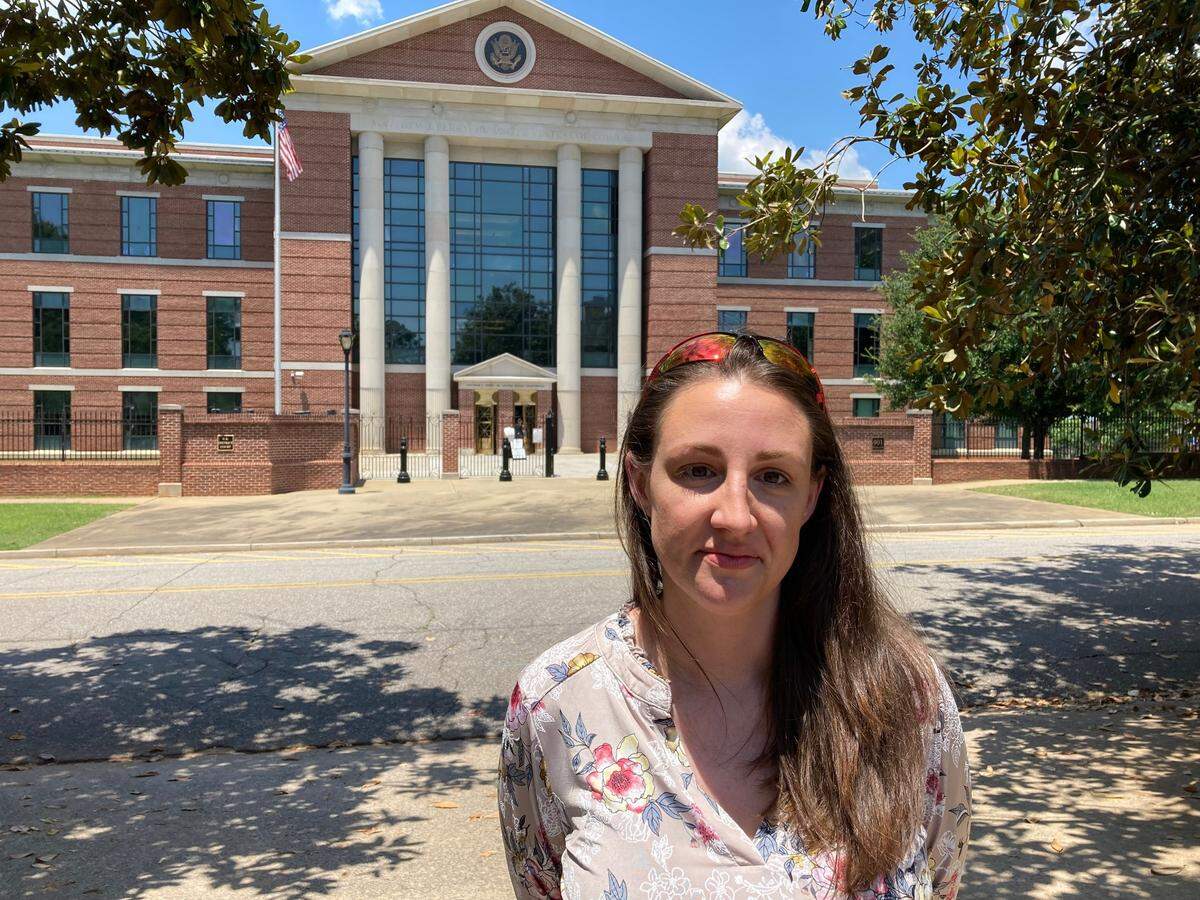
Bishop, who moved to the area from the Northeast, was so upset about the odors that she confronted McMaster at a community meeting in the Rock Hill area early last spring.
McMaster said the concerns were valid.
““She’s right,” McMaster said in a story by The Herald of Rock Hill. “New-Indy has made a lot of mistakes and they have to fix them. They have to do it right away.”
The governor’s office told The State that it has worked with DHEC “to use every tool at the state’s disposal to fix the situation with the New-Indy plant.” The governor has called the New-Indy issue “a terrible situation.’’
The company’s difficulties have landed it in hot water with South Carolina regulators and the U.S. Environmental Protection Agency, which have collectively fined New-Indy more than $1 million and told the company to fix its problems. New-Indy also faces multiple lawsuits from residents who live in the area.
Rankin, who gained acclaim in the Washington, DC.-area in the 1980s for her efforts to stop a shopping mall near a historic site, said living with the constant threat of air pollution should not be something anyone should deal with.
She suspects that when the wind blows from the paper plant toward her house, it pushes the noxious gas up a driveway from low parts of her land and into her home atop a hill.
Hydrogen sulfide, one of the key air pollutants released by the mill, has a tendency to hug low-lying areas, such as creek bottoms, in high concentrations. And Rankin has plenty of low spots on her hilly, more than 100-acre farm in York County.
A New-Indy spokesman indicated that such a scenario is unlikely. Accumulation of hydrogen sulfide would more typically collect in sewer manholes, manure pits, basements and near landfills and natural gas pipelines, New-Indy’s Bernstein said in an email.
Rankin is unconvinced. At one point in June 2021, a temporary monitor on her home’s front porch registered one of the highest readings of hydrogen sulfide in the area.
Regardless of the reason for the odors, she simply wants the problems she’s had the past few years to go away.
She and her husband moved to York County 18 years ago, settling on family land not far from the Catawba Indian Reservation. Her property is a peaceful place with deep stands of hardwood trees, creeks, a fishing pond and wildlife, including deer, wild turkeys and a multitude of song birds.
A nice ride on Poncho or a walk in the woods would be soothing, the North Carolina native said. It’s something she misses.
“It’s not good for the environment,’’ she said of the stench and toxins she has complained about. “It’s like an uninvited guest, a trespasser, a squatter …. Just sitting in the stream beds. It can pop up at any moment.’’
This story was originally published September 25, 2022 at 5:30 AM.