Exotic, menacing hornet from Asia found on SC’s doorstep, Clemson says. Here’s what to know
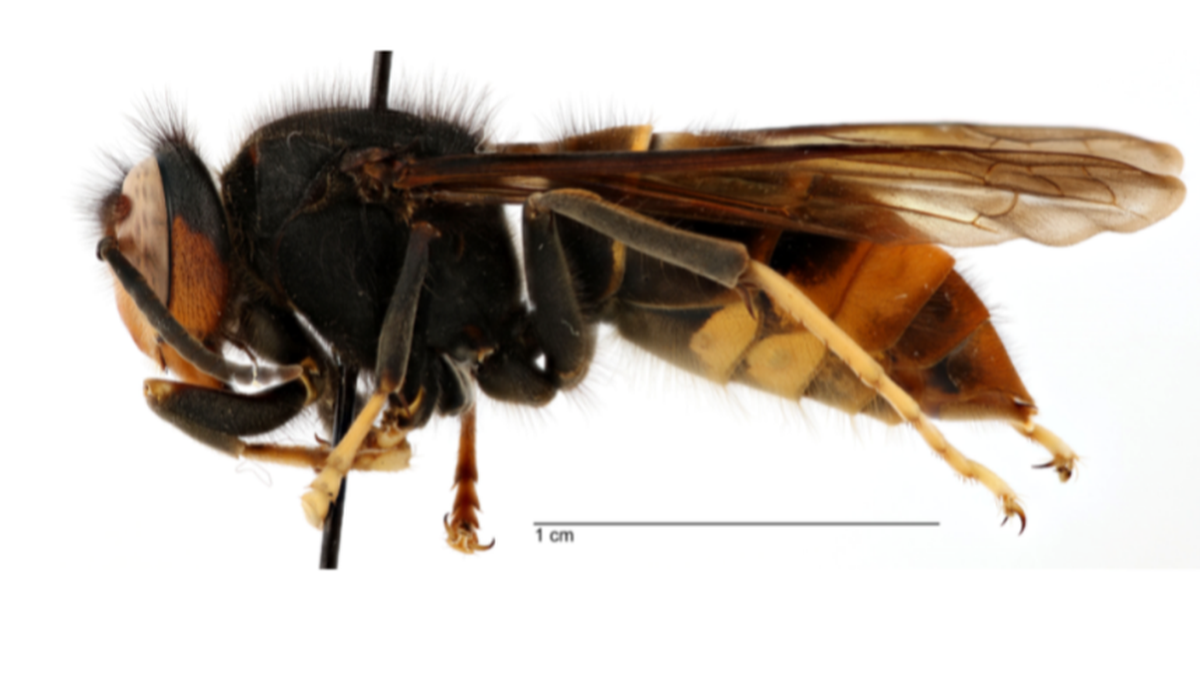
Researchers in South Carolina are on the lookout for an exotic type of hornet that can sting people and devastate honeybee populations.
A beekeeper in Savannah, Ga., recently discovered a yellow-legged hornet, the first time the species has been found in the United States.
Now, Clemson University wants to know if these hornets will wind up in the Palmetto State. Clemson is asking people to let the university know if they spot one.
“The yellow-legged hornet is a predatory insect that has been reported to attack western honeybee colonies and has become a serious pest of beekeeping operations where it has been introduced,” Clemson’s Ben Powell said in a news release this week. “Establishment of this exotic pest in the U.S. would pose a significant threat to our already embattled beekeeping enterprises.”
Powell, coordinator of Clemson’s beekeeping research and extension program, told The State newspaper that he suspects the yellow-legged hornet found in Savannah came from a ship that docked at the port.
Yellow-legged hornets, which are from Asia but have established themselves in Europe, resemble some American stinging insects, including certain types of yellow jackets and wasps. But they are bigger than those native bugs, with yellow-tipped legs and dark heads. The yellow-legged hornet is taller than it is wide, standing just under an inch in height.
The yellow-legged hornet builds paper-like nests in trees and buildings, and swarms of the stinging insects will defend a nest if disturbed. Like yellow jackets, they can sting repeatedly.
In the news release, Clemson said it plans to monitor and set traps for yellow-legged hornets. That’s important because of the threat to honeybees and the beekeeping industry, the university says. A Clemson University scientist is expected to be in the Savannah-area next week.
“If we find it, we are going to make every effort to eradicate any nests or colonies we discover,’’ Clemson University’s Brad Cavin told The State Friday.
Bees pollinate a variety of nuts and fruits, including blueberries and cherries, and they produce honey for people’s tables. Nationally, honeybees contribute some $20 billion to the U.S. economy, including South Carolina’s, Clemson says.
“About one-third of the food eaten by Americans comes from crops pollinated by honeybees,’’ NPR reported, quoting the U.S. Food and Drug Administration.
But the number of honeybee colonies is in decline in some places, in part from the introduction of exotic pests, a Clemson fact sheet says.
David McFawn, who is with the Mid-State Beekeepers Association, said the discovery of the yellow-legged hornet in Savannah caught his attention.
“It’s a concern for local beekeepers,’’ he told The State.
Yellow-legged hornets are a threat because they can destroy entire honeybee colonies in a matter of hours, experts say. Hornets prey on insect larvae in nests.
“While we are spearheading a robust trapping protocol in the South Carolina Lowcountry, beekeepers, and the public, both play an important role in our efforts to minimize any potential impact from this invasive pest,’’ Cavin said in a news release this week. “That’s why we are asking for public assistance with monitoring for and reporting unusual hornet activity, especially around honeybee hives.’’
Clemson asks that people who think they have seen a yellow-legged hornet to make a report at www.clemson.edu/public/regulatory/plant-industry/invasive/ylh.htm.
Yellow-legged hornets are the latest exotic insects of concern to honeybee populations across the country. The Northern Giant Hornet, also an Asia native known as the “murder hornet,’’ has been found on the U.S. West Coast.
A few years ago, researchers at Clemson thought they had found Africanized bees in South Carolina, but later determined that not to be the case.
This story was originally published August 18, 2023 at 10:25 AM.