Long-time Irmo plant under scrutiny for chemical releases to Saluda River, group says
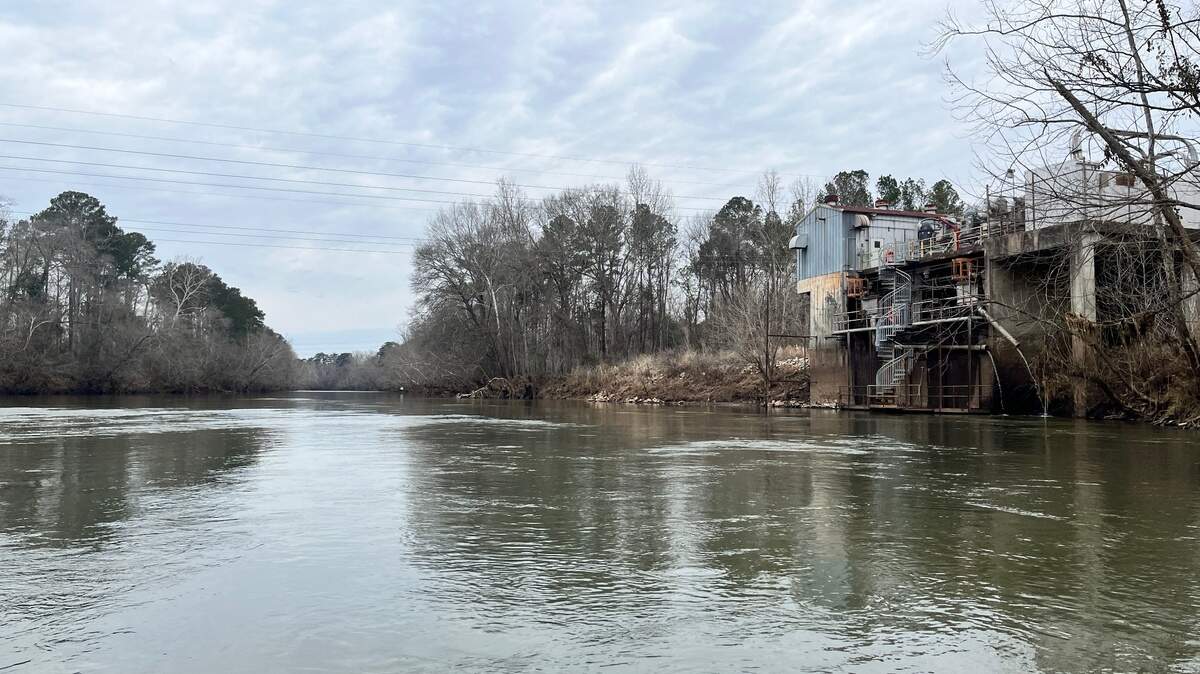
The Congaree Riverkeeper organization is threatening to sue one of the Columbia area’s major manufacturing plants, accusing the factory of discharging hazardous chemicals into the lower Saluda River, a state scenic waterway.
Shaw Industries, a manufacturer of fiber and nylon used in carpets, is releasing a class of compounds known as forever chemicals from its plant in Irmo into both the river and nearby Kinley Creek, according to a letter to Shaw from a non-profit legal group representing the Riverkeeper organization.
Through testing, the Congaree Riverkeeper organization says it has found 15 types of forever chemicals in Shaw’s wastewater discharges during the past two years. But the Riverkeeper group’s letter says the pollution may have been occurring as far back as 2005, when Shaw acquired the plant.
Long-term exposure to forever chemicals is linked to certain types of cancer, thyroid problems, high cholesterol and other ailments. Forever chemicals, also known as per and polyfluoroalkyl substances, or PFAS, move relatively quickly in water and do not break down easily in the environment.
“Shaw is discharging toxic chemicals that harm public health at very low levels into a state scenic river and a drinking water source for thousands of South Carolinians,” according to a news release that quotes Catherine Wannamaker, a senior attorney with the Southern Environmental Law Center. “We won’t let Shaw pass off the burden of dealing with this PFAS pollution to those downstream. It has to stop.”
The Congaree Riverkeeper group looks out for water quality in three Columbia area rivers: the Saluda, the Broad and the Congaree, which is formed by the other two rivers.
The lower Saluda, below the Lake Murray dam, is the more widely known of the three rivers as a recreational spot, providing a rare cold-water trout fishery and whitewater rapids in the state’s midsection near a major city. It has characteristics of both the mountains and the Lowcountry, and has been designated a scenic river by the S.C. Department of Natural Resources.
The Riverkeeper letter to Shaw says it will move forward with a suit, if the company doesn’t address the forever chemical discharges. Such a lawsuit could be filed as soon as early May, officials said.
When groups threaten such lawsuits, it is typically part of a formal process that is intended to get companies to resolve problems.
“Congaree Riverkeeper is willing to discuss effective remedies for Shaw’s legal violations that could avoid the need for litigation,’’ the letter says.
In a statement Wednesday, two days after The State asked for comment, Shaw said it stopped using “PFAS-based soil resistant treatments’’ in U.S. residential and commercial carpet manufacturing operations in 2019. But the company indicated it is on the lookout for PFAS that may have gotten into the plant.
‘’The company is actively taking steps to address any inadvertent sources of PFAS in its operations, and to resolve any public concerns,’’ the statement said. “Shaw is, and has long been, committed to creating products and using processes that are designed for people and the planet. Shaw is committed to continuously improving its products and processes based upon the latest information and technology.’’
Shaw’s statement said the company is “committed to removing (PFAS)from its manufacturing process.’’ The company, which said forever chemicals are ubiquitous, said it has complied with environmental permits at the Irmo plant.
The Shaw plant is a hulking industrial complex that dominates the landscape along St. Andrews Road.
Shaw, one of the world’s largest carpet manufacturers, acquired the plant from Honeywell in 2005. The site has been the location of the industrial facility since at least 1961, according to news reports.
When Dalton, Ga.-headquartered Shaw acquired the Irmo plant from Honeywell, the St. Andrews Road facility had nearly 400 employees.
The issue over PFAS is a new one for the factory in Irmo, but not the first concerning chemicals associated with the Shaw site.
One chemical, called caprolactam, drew community complaints in the 1990s. The site also is the subject of a voluntary pollution cleanup contract between the S.C. Department of Health and Environmental Control and Honeywell, the previous owner.
The Riverkeeper’s letter to Shaw said it had found an array of chemicals trickling through groundwater, in addition to PFAS. Those chemicals include lead, acetone, benzene, arsenic, and chromium, all of which present varying threats to people and wildlife. The Saluda River lies 350 yards away.
But the focus of the legal threat is PFAS, the class of compounds showing up in rivers, drinking water and fish across South Carolina and the country.
Textile companies are among the suspected sources of PFAS in South Carolina and across the country. A closed textile plant in Darlington County is blamed for polluting groundwater surrounding the facility, making well water unsafe to drink, The State reported last year.
PFAS, which was created more than 80 years ago, has historically been used by textile manufacturing companies to prevent stains and waterproof material. Shaw is among those facilities that have used forever chemicals, the Riverkeeper letter says.
Virtually every river checked by DHEC has shown evidence of forever chemical pollution, often at levels above a proposed new federal drinking water standard. The agency has issued warnings against eating more than certain amounts of fish found to contain the toxins..
Drinking water is a concern statewide. More than 50 utilities have registered the toxins in drinking water.
The Riverkeeper’s letter says forever chemicals threaten drinking water supplies for the cities of Cayce and West Columbia, which draw water downstream from the Shaw plant.
The letter from the environmental groups says the discharges violate both the federal Clean Water Act and the federal Resources Conservation and Recovery Act, the nation’s hazardous waste law.
Shaw’s discharges come from three pipes composed of either non-contact cooling water or process wastewater, stormwater and other sources, the letter says.
The letter says PFAS is polluting wastewater basins and wastewater sludge from the plant.
This story was originally published March 4, 2024 at 1:58 PM.