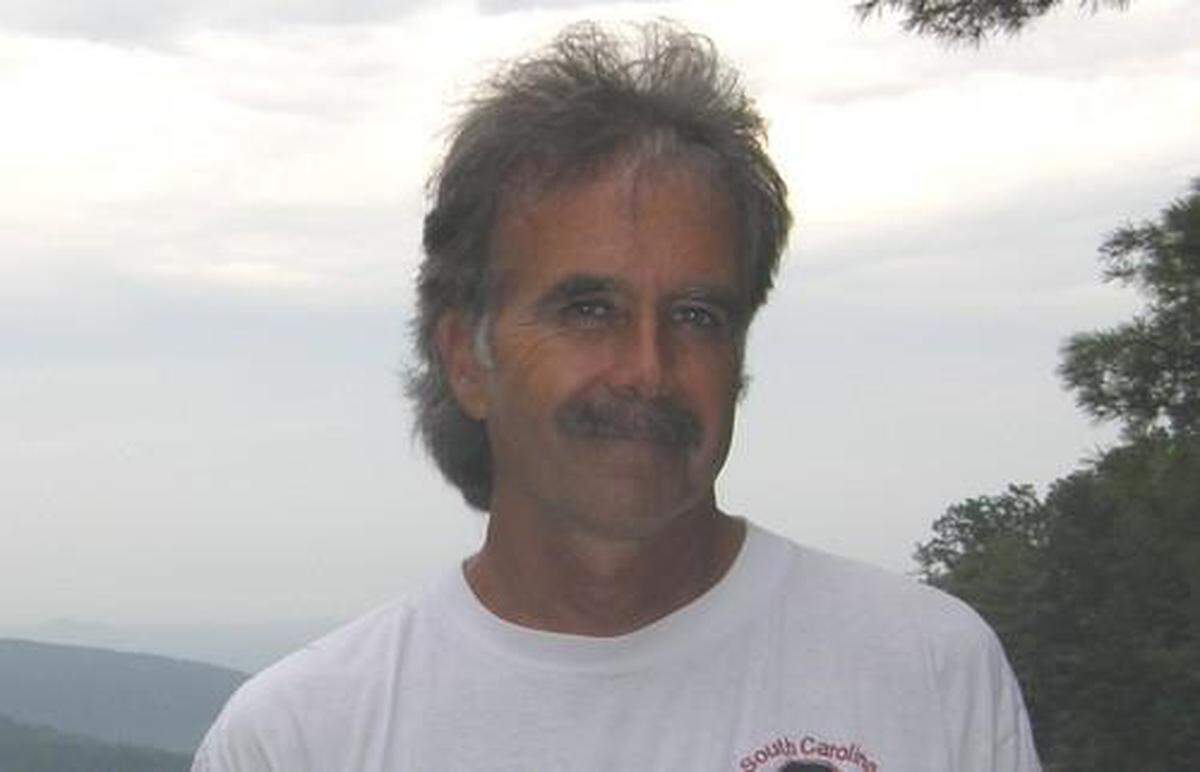
Former waste industry spokesman named chief at SC’s natural resources agency
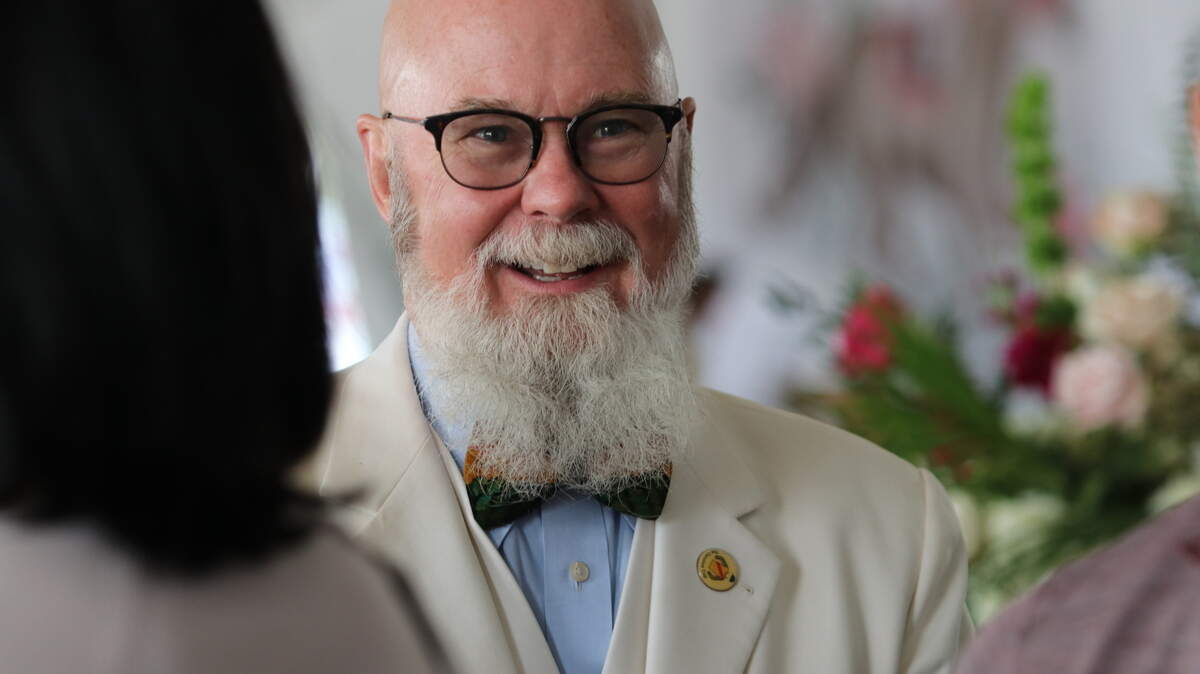
South Carolina’s natural resources agency board named Tom Mullikin, a one-time hazardous waste industry representative who has in recent years championed environmental causes, as its next director Thursday, breaking with a long-standing tradition of hiring department staffers for the top job.
At a meeting in Columbia, the Department of Natural Resources Board voted unanimously for Mullikin to replace the departing Robert Boyles, who served for five years before announcing his retirement earlier this year. Boyles’ agency had been criticized for questioning the environmental impacts of the Scout Motors electric vehicle project on the landscape north of Columbia.
Mullikin, a 64-year-old lawyer from Camden, was among at least four candidates interviewed for the post, sources told The State. All told, “less than a couple of dozen’’ people interested in the job qualified for it, said Norman Pulliam, the DNR board chairman.
Other finalists for the job who were interviewed included Emily Cope, the department’s deputy director for wildlife and freshwater fisheries and Bryan J. Burhans, former director of the Pennsylvania Game Commission. Former DNR permitting official Bob Perry also interviewed with the board, The State has learned.
The S.C. Senate must confirm Mullikin as the department’s next director. Confirmation hearings are expected in late January or early February. The board did not say what Mullikin will be paid, but Boyles was making more than $180,000. Boyles is expected to remain with the DNR until Mullikin is confirmed.
Mullikin, who attended Thursday’s meeting at a DNR office off of Broad River Road, received a standing ovation from those in attendance after the board’s unanimous vote to name him director.
“I am honored to be selected for appointment as director of the South Carolina Department of Natural Resources and look forward to working with the amazing staff to continue and advance the important work of SCDNR,” Mullikin said in a statement released after the board’s vote Thursday.
The S.C. Department of Natural Resources, which has 1,119 employees, is the state’s chief wildlife and fisheries department. It oversees hunting and fishing, conducts scientific research, manages marine resources, oversees nature preserves and provides climate and weather data. The DNR has a total budget of $172 million, including state and federal sources. The agency’s seven member board is responsible for picking a director.
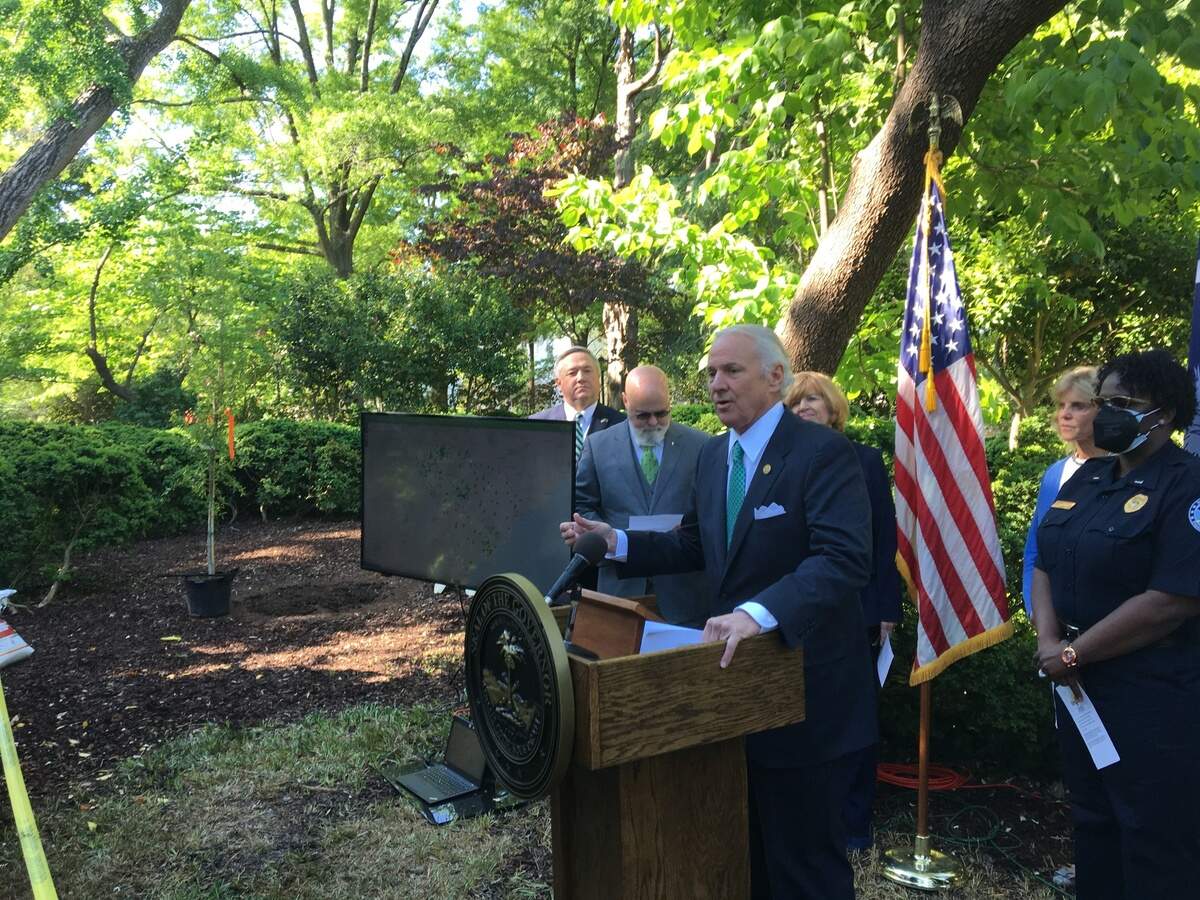
Well known in state political circles, Mullikin has become a trusted advisor to Gov. Henry McMaster on conservation issues and the effects of climate change. Mullikin previously headed the state Floodwater Commission, a group McMaster put together that recommended a plethora of ways the state could respond to rising sea levels and increased flooding.
Among other causes he has been involved with in recent years, Mullikin was the chief architect of a plan to plant three million pine trees across the state in hopes of soaking up stormwater as the climate changes and storms become more intense. He also has been active in promoting South Carolina’s natural resources, including leading across-the-state walks on the Palmetto Trail, a mountains-to-the-sea pathway that cuts through an array of hills and swamps between the southern Appalachians and the Atlantic Ocean.
“His extensive background in environmental law and policy will allow him to bring invaluable expertise to DNR,’’ McMaster said in a statement Thursday. “He has my full support.”
Mullikin, who applied for the DNR director’s job, is an author of several books and papers on environmental issues and has traveled the world, leading groups visiting the Amazon River basin in South America, the Namib Desert in Africa and the Great Barrier Reef in Australia, according to a biography provided by his law firm. He also is a scuba diver and an avid mountain climber, scaling some of the tallest summits on various continents, WCSC in Charleston reported in 2018. The University of South Carolina graduate’s exploits were featured in a 2016 USC publication.
Pulliam said Mullikin’s extensive and varied background impressed the board enough to choose him.
Although increasingly visible as a voice for conservation, Mullikin was once among those supporting South Carolina’s hazardous waste industry, even as many people questioned how burying the nation’s toxic garbage would affect the landscape.
In late 1994, as executive director of the S.C. Industrial Waste Management Association, Mullikin urged the state Department of Health and Environmental Control board not to force a hazardous waste landfill to set aside cash to pay for cleanup and monitoring if the landfill closed, according to a statement he provided the board and obtained by The State newspaper.
“We are strongly opposed to allowing the department to choose cash,’’ the Dec. 8, 1994 statement said.
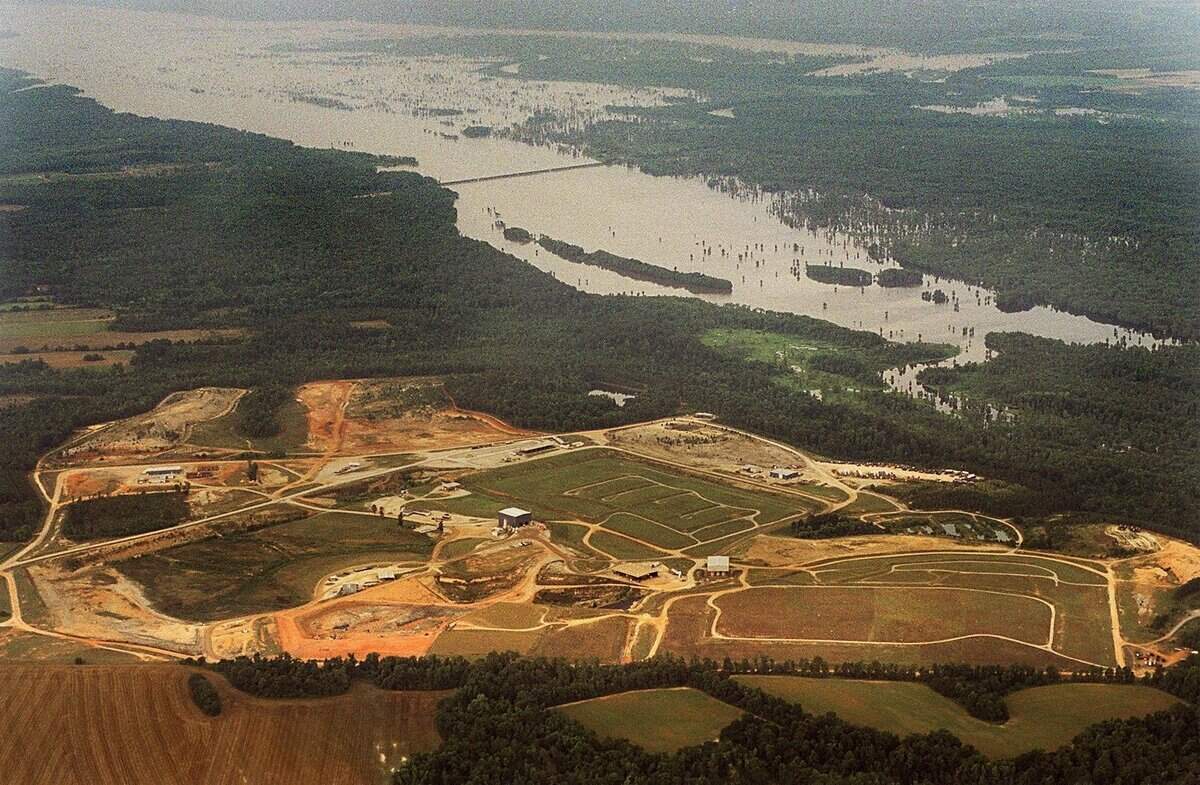
Under pressure to abandon the requirement, the board and the state Legislature ultimately agreed to let Laidlaw Environmental Services out of setting aside more than $100 million in cash. By 2000, the landfill’s operator, then called Safety Kleen, filed for bankruptcy, leaving taxpayers to spend about $4 million a year to make sure the dump does not leak into nearby Lake Marion, The State has previously reported.
Mullikin, who acknowledges the reality of climate change and rising sea levels, has also questioned how much global warming results from human-made causes. While a large majority of scientists say carbon pollution from industrialization is a major cause, Mullikin said in 2019 that “the real question is to what extent are man’s actions amplifying global climatic change.,’’ according to a story by journalist Andrew Brown for the Charleston newspaper, The Post and Courier.
The Charleston paper reported that Mullikin had produced documentaries to counter messages by former Vice-President Al Gore about climate change. Gore’s 2006 film, “An Inconvenient Truth’’ outlined the threat of rising global temperatures and the need to address the issue. In 2009, Mullikin lobbied Congress to defeat federal legislation that could have reduced the amount of carbon dioxide the United States puts into the atmosphere annually, according to Brown’s story.
When he ran unsuccessfully as a Republican for Congress seven years ago, Mullikin said he believed the far left ‘‘hijacked’’ environmentalism as a cause and laws aimed at environmental protection stymied job growth, The Herald of Rock Hill reported.
Former Democratic Sens Thomas McElveen and Dick Harpootlian said they were unconcerned about stances the Camden resident has taken in the past in favor of the hazardous waste industry. McElveen, of Sumter, has been one of the landfill’s chief watchdogs in the Legislature in recent years because of its potential to affect Lake Marion. Harpootlian said he’s known Mullikin for 34 years.
“He’s an honest and competent man of integrity,’’ said Harpootlian, of Columbia. “Tom will do a good job.’’
Sens. Chip Campsen, R-Charleston, and Ronnie Cromer, R-Newberry, called Mullikin a good choice for the DNR. Campsen chairs the Senate Fish Game and Forestry Committee, which often deals with issues involving the wildlife agency. Cromer is a member of the committee.
“He’s one of the most competent people I’ve ever known,’’ Campsen said. “Anything that he endeavors to do he’s been very successful at.’’
“I can tell you that the Tom Mullikin I know, for years, has been very committed to conservation.’’
The choice of Mullikin to run the Department of Natural Resources is a new twist in the agency’s history of hiring directors. The DNR has had four directors since longtime chief James Timmerman retired in the late 1990s, all department officials with expertise in agency matters, ranging from marine science to law enforcement. Mullikin’s background is as a lawyer. He has previously headed the State Guard, a South Carolina military department.
Boyles, a former director of the department’s marine resources division in Charleston, took the DNR’s top job in 2019. His tenure went relatively smoothly, with Boyles drawing praise as a professional. But the department ran into criticism after staff members questioned the speed at which land was being cleared for the Scout vehicle project, one of McMaster’s prized economic recruits. The project is expected to create about 4,000 jobs. The DNR at one point urged the federal government not to issue a wetlands permit until questions were resolved.
The U.S. Environmental Protection Agency also found apparent wetlands violations on the project site, forcing a temporary halt to new work until the matter could be resolved. Meanwhile, the DNR and the EPA drew some criticism over their push for thousands of acres of land to be protected or restored to compensate for the loss of wetlands at the Scout site.
How the DNR will operate under an outsider remains to be seen, but Cromer expressed confidence that Mullikin would provide a steady hand.
“Everything I’ve seen him involved with, he goes at it 110 percent,’’ Cromer said.
This story has been updated with additional information from the DNR board meeting and perspective from Sen. Thomas McElveen.
This story was originally published November 21, 2024 at 10:55 AM.