Snake lovers want to keep deadly serpents at their homes, businesses, despite SC concerns
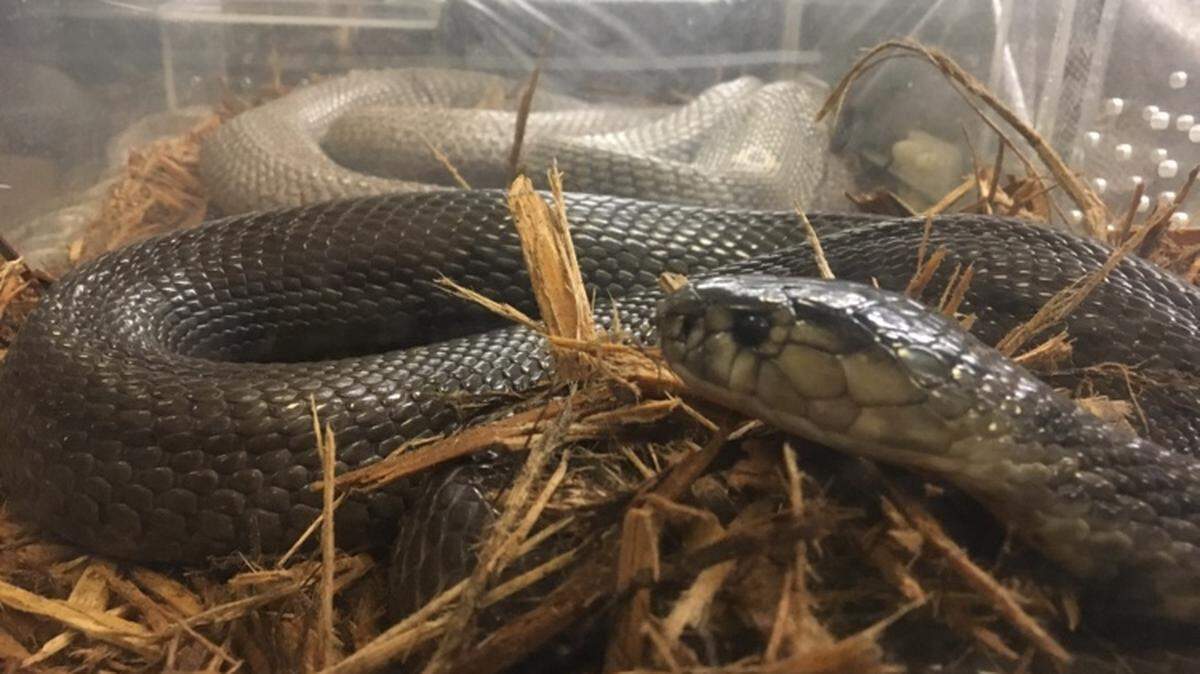
It’s probably fair to say that most people don’t like being around venomous snakes because of the danger these reptiles present.
But pockets of South Carolina residents love toxin-fanged serpents And they let state legislators know Wednesday how they feel about a proposal to ban the ownership and sale of venomous snakes.
Most said the state shouldn’t enact a ban on the deadly creatures, despite concerns that venomous snakes could escape and hurt someone. Snake lovers said they do a good job of taking care of the animals and safeguarding the public.
Brandon Morris, a former Columbia resident from Anderson, said being with snakes brings him comfort. He’s a military veteran with post traumatic stress disorder who said he loves the creatures.
Snakes “are just a huge part of my life,’’ he said. “For me, to have peace in a day is to just go and be with my animals. They’re away from the general public. They’re away from my children. They’re away from anybody who does not have experience.’’
Morris likened the freedom to own a venomous snake to that of owning a gun. The bill before the Legislature “reads very similar to a ban on firearms,’’ he said, noting that a gun prohibition would be “political suicide’’ in a Republican-dominated state where so many people own weapons.
Some of those who spoke to a House subcommittee said they own businesses that could be hurt by a ban on toxic snakes. Those people ranged from the operators of a large serpentarium at Edisto Island to a small roadside business in the Upstate.
Others said owning a venomous snake is less dangerous than owning a dog because canines attack more people annually than serpents.
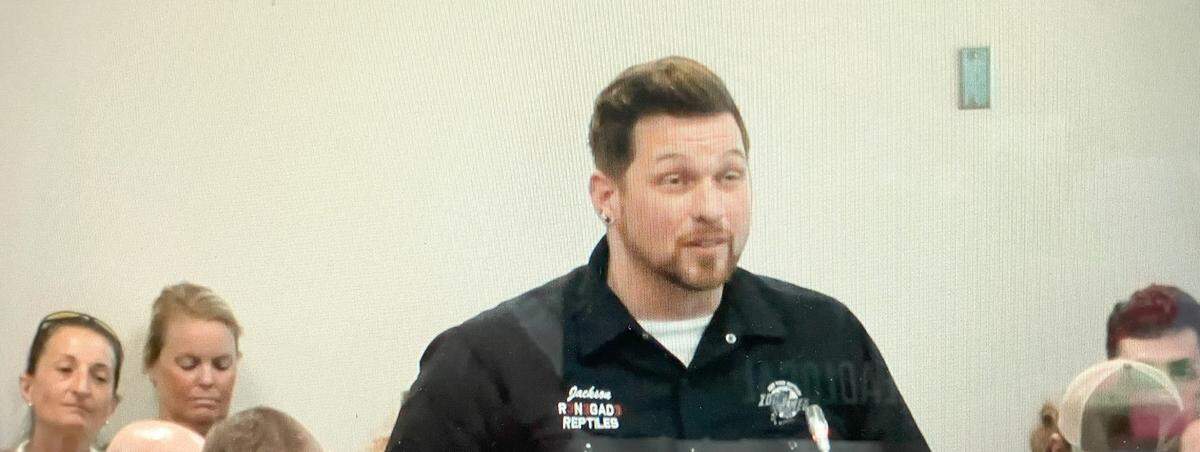
“I opened my business in the state of South Carolina because I believe in freedom and that this state still had a piece of that left,’’ said Jackson Sharp, a Georgia resident who runs Renegade Reptiles in Westminster, a community between Clemson and Anderson. “Don’t take that away or regulate it so that we can’t find peace with our choice of pets.’’
Blackville resident Justin Gosnell, who said his brother was bitten twice by exotic venomous snakes and survived, said he is working to set up a business – and the reptile legislation could affect that. It also might increase the popularity of owning venomous snakes, even if illegal, he said
“Banning these animals will actually encourage more people to keep them clandestinely, and that could become more of a problem,’’ he said.
Despite the outpouring against the proposed prohibition on ownership at Wednesday’s hearing, state wildlife officials say a ban is necessary.
South Carolina is one of the few states in the country without strict limits on the ownership of venomous snakes, and in the past, it has been a haven for black market reptile dealers to set up shop, The State newspaper has previously reported.
South Carolina has since tightened some wildlife laws, including those involving the capture and sale of turtles. Some local governments also have restrictions on the sale of venomous snakes But the state’s weak laws have left enforcement up to the federal government, in a number of cases.
In one case, a wildlife dealer named Ashtyn Rance ran into trouble after importing 220 snakes from Africa to Atlanta, then agreeing to take them to South Carolina after Georgia officials said he had to move them out of state within 24 hours.
In 2022, Rance, who had a number of run-ins with authorities in Florida, was sentenced to 33 months in prison for violations of federal wildlife laws.
The Columbia area is also one of the few places nationally where venomous snakes have been sold legally at legitimate reptile shows like the well-known Repticon event. People from other states flock to the show to buy venomous reptiles.
“South Carolina has kind of been the center for a lot of the reptile, amphibian and venomous trade,’’ said Will Dillman, an assistant wildlife chief at the S.C. Department of Natural Resources. “It’s never been addressed by the state.’’
Opponents of the snake ban say many reputable people own toxic serpents, but bill supporters say the ownership and trade in venomous snakes has a dark side.
State officials point to an incident last fall, in which a Florence man who owned venomous snakes was bitten by an inland taipan, a reptile with extremely potent venom that is native to Australia. Once a person is bitten, the venom can spread, causing a range of symptoms, including vomiting and paralysis, according to the Australian Museum website.
The man who was bitten, a proclaimed snake lover, required medical help from emergency services personnel in Florence. He eventually recovered after being taken to a local hospital.
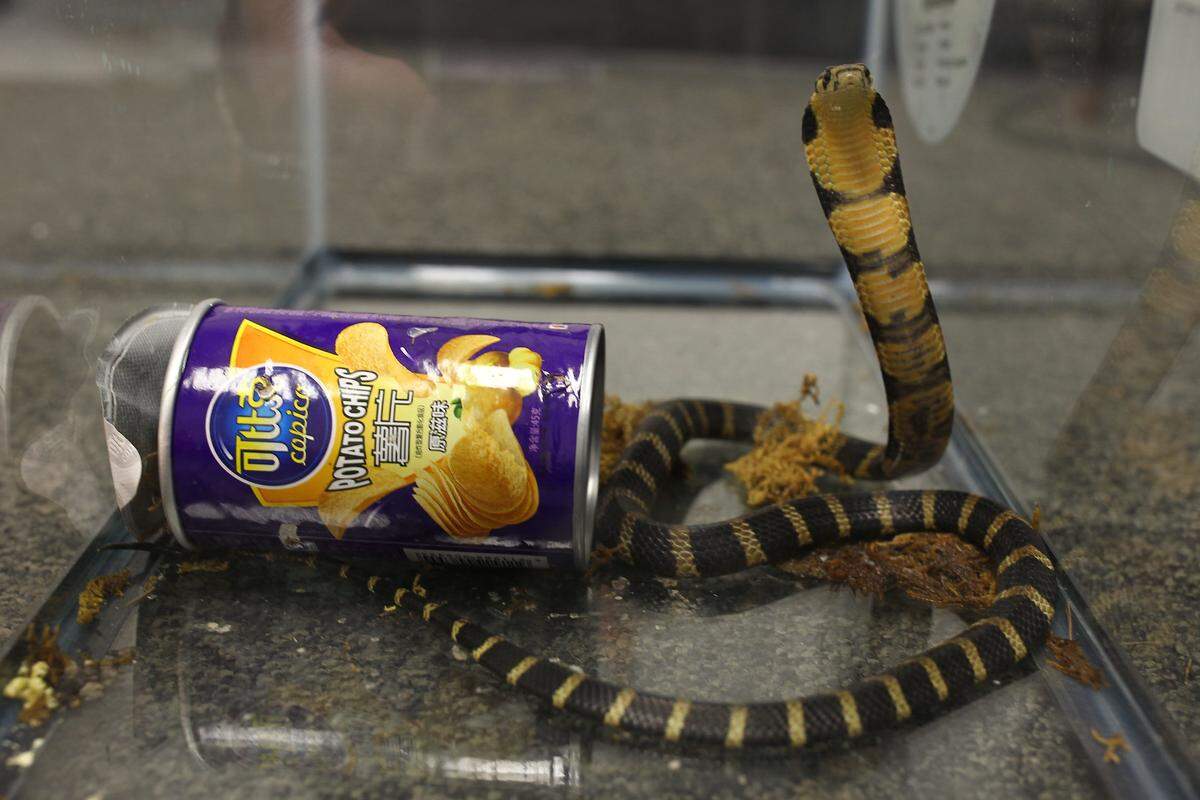
In 2021, authorities arrested a man in Sumter County after discovering that he was using a home in a quiet neighborhood to house highly venomous reptiles. Among the snakes discovered in the home were king cobras and bush vipers, which are not native to the United States. King cobras have venom strong enough to kill an elephant and vipers can kill a person in a matter of days.
Horrified neighbors told The State at the time that they had seen packages being delivered to the home and cages with snakes in the man’s garage. Some said they feared for their children who played outdoors.
The legislation before the House contains a variety of elements. It allows people who own venomous snakes to keep the animals until the serpents die, after which they could not own more venomous reptiles. Until that time, people who own the toxic snakes would need state permits to give South Carolina officials an idea of where the animals are located and what types are being kept.
The bill, H. 3937, also spells out stricter rules for housing venomous snakes, which some people at the hearing said was a reasonable requirement. The bill is intended to exempt legitimate wildlife displays and zoos, such as Riverbanks in Columbia, and people using venomous snakes for legitimate research purposes.
A bill that would have banned the ownership of non-native venomous snakes did not get through the Legislature four years ago, state officials said Wednesday.
The current bill would ban ownership of any venomous snake, whether it is native or exotic, state officials said. South Carolina has six species of venomous snakes, including rattlesnakes. In 2016, a rattlesnake bit and killed a man who was walking at the Santee National Wildlife Refuge.
House subcommittee chairman Cal Forrest, a Republican from Monetta, said he’s “one of those people who has never held a snake in my life and I have no intention of doing so.’’ But that doesn’t speak for everyone, he said.
“I’m trying to put myself in your spot and understand everything that everybody said here today at the podium,’’ Forrest said.
This story was originally published March 20, 2025 at 8:39 AM.