Solar farms spark tension between rural areas and sun power advocates. Senators weigh in
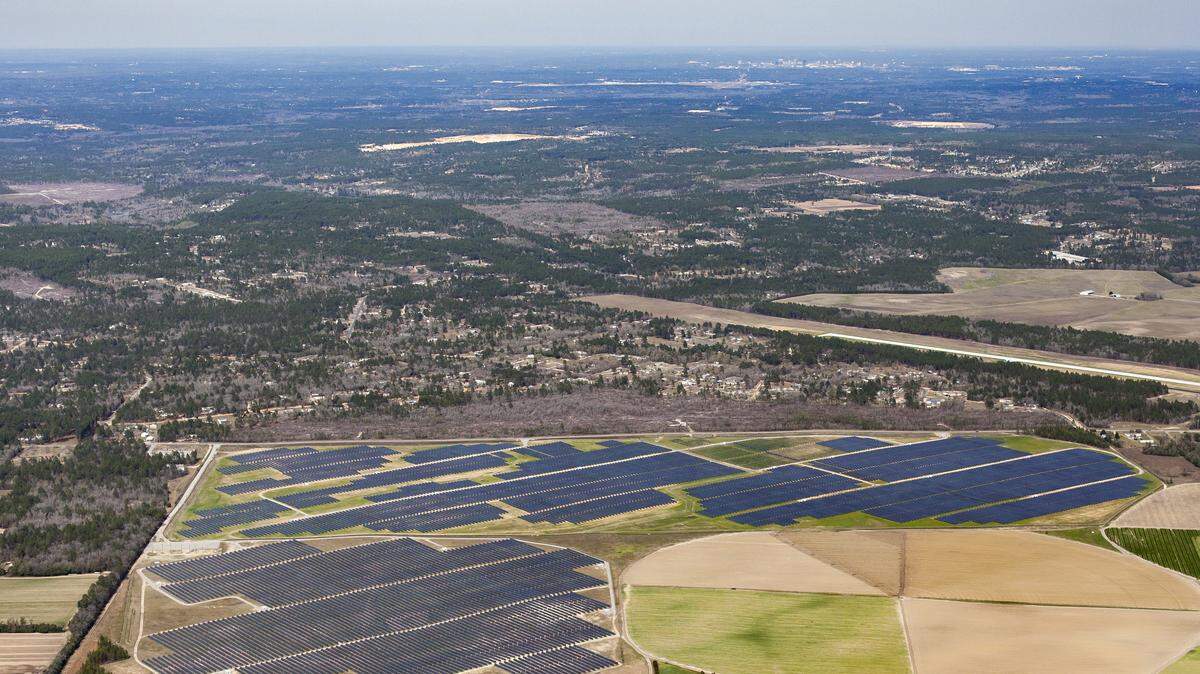
South Carolina legislators are moving to place state restrictions on solar energy expansion in response to complaints by rural residents that sun farms are disrupting their way of life.
Senators agreed this week on a plan that solar supporters say will chill the growth of the industry at a time when South Carolina needs all the energy it can get.
After hours of discussion, the Senate Judiciary Committee voted 11-9 Tuesday to require many new small and midsize solar farms to gain approval from the state Public Service Commission under a law intended for large-scale utility projects.
Solar facilities that would fall under state controls are a fraction of the size of massive power plants that must undergo review under the state siting act. The act was not intended for midsize and small sun projects, solar boosters said.
“We are disincentivizing solar by requiring them to go through the siting act,’’ said Sen. Jason Elliott, a Greenville Republican who pushed unsuccessfully to drop the state restriction on solar farms.
Elliott said solar farms already must go through a plethora of environmental reviews to prepare sites, as well as examination by the Public Service Commission under rules aside from the siting act. And counties are better suited to deal with land-use issues involving individual solar farms, he said.
Despite Elliott’s concerns that more restrictions would limit solar expansion, other lawmakers said controls are needed on the growth of sun projects.
People have complained that solar farms are unsightly, scar the landscape and cause sediment to run off the property. While rural residents worry about the impacts on their way of life, county governments are not paying enough attention to those concerns — and that creates the need for the state to act, some legislators said.
“All I’ve heard is people living in the country who are extremely concerned that they have no say in what the counties are authorizing when it comes to solar farms,’’ Sen. Chip Campsen, R-Charleston, said.
Campsen, whose legislative district includes urban areas such as the Isle of Palms, said counties are being lured by the prospect of tax revenues generated through solar farms and are not interested in keeping them under control.
“They’re being bribed,’’ Campsen said. “I’m not saying an illegal bribe, but all kind of money going to the county. And that is what’s happening. I’ve had multiple people who have relayed this to me. They ought to have a say in what’s happening in their county.’’
Sen. J.D. Chaplin, R-Darlington, said he’s hearing the same thing.
“Across my district, we have issues with counties seeing dollar signs on the amount of property taxes they’re about to get and just absolutely loving it,’’ he said. “I hate to say it, but I think they have yet to see a solar project that they don’t like. Basically, in an effort to save the world, we’re destroying the world that my people live in.’’
How much solar farm expansion will eventually occur in South Carolina’s countryside is unknown, but one recent report says sun farms will take up only a small fraction of the agricultural land.
A November 2024 report by research economist Joseph Von Nessen said solar farms will affect no more than 1.4 percent of the agricultural land in South Carolina by 2035.
“This anticipated expansion of the solar industry does not represent a significant threat to the state’s thriving agricultural sector,’’ according to the study by Von Nessen, an economist with the University of South Carolina’s Moore business school.
The study, commissioned by solar developers, said some sun farms also are put on old industrial sites or other non-agricultural land, meaning the effect on farm property could be even less than 1.4 percent.
The measure approved Tuesday on solar restrictions is part of an expansive energy bill that is being debated in the Legislature. The bill, H 3309, is intended to make it easier to build energy projects at a time when many say South Carolina needs more power to accommodate growth.
Among other things, the bill would grease the skids for construction of a large natural gas plant in the small Canadys community; encourage more nuclear power; and make it harder for lawsuits to stop energy projects.
The Judiciary Committee made amendments and approved the expansive bill Tuesday. The bill has passed the House and will go to the Senate.
Conservationists have been critical of the legislation, saying limits on legal appeals and requirements that state agencies approve energy projects in six months could lead to environmental problems later. They’ve also said that while the bill is supposed to help expand energy, it actually puts the clamps on solar projects that could help provide power for the utility grid.
One part of the bill would limit the length of solar contracts, a measure that could make it harder for sun farm developers to get financing, critics say. The other major concern to solar advocates is the requirement that even small and midsize sun farms fall under the extensive restrictions of the state siting act. Both measures produced questions about a similar energy bill that died last year in the Legislature.
According to the legislation approved Tuesday, solar farms of more than 125 acres would be regulated under the siting act.
That amounts to a solar farm of about 15 megawatts, according to the Conservation Voters of South Carolina. The siting act now kicks in for energy projects of 75 megawatts or more, meaning that large solar farms would still be covered by the siting rules.
In contrast, the proposed Canadys natural gas plant would be about 2,000 megawatts. Efforts are also under way, separately, to restart the failed V.C. Summer nuclear project, a massive construction effort that shut down amid cost overruns that soaked ratepayers for billions of dollars.
“This would very strongly blunt the growth of solar in our state and cut off all competition in our energy marketplace,’’ conservation lobbyist John Brooker said Wednesday, explaining that power companies would have an advantage over independent power producers like those that develop solar.
Brooker, who is with the Conservation Voters of South Carolina, said concerns about solar farms can be controlled with local land-use ordinances, instead of statewide restrictions on a growing and important industry.
For instance, screening solar farms with a veneer of trees, an idea discussed in the committee this week, could be done by a county, sun backers said.
But if the restrictions are eventually adopted by the Legislature, it also could take away a county’s ability to regulate solar farms through its own land-use ordinances, critics of the legislation said.
Tuesday’s vote was made by a show of hands. Video of the meeting shows those raising their hands in favor of requiring mid and small size solar farms to be covered by the siting act included: Sens. J.D. Chaplin, Chip Campsen, Matt Leber; Richard Cash; Tom Fernandez; Russell Ott; Mike Reichenbach; Everett Stubbs; Jeff Zell; and Josh Kimbrell.
This story was originally published March 27, 2025 at 6:00 AM.