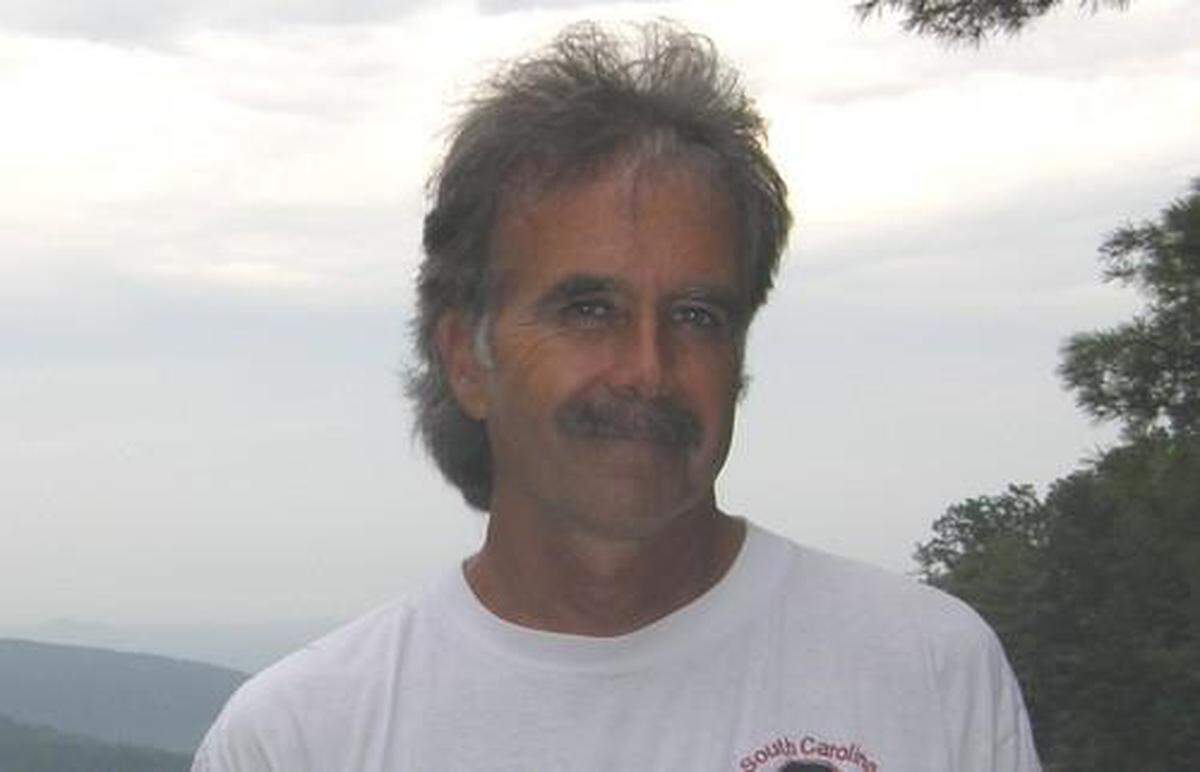
Trump administration fires scientist who helped victims of SC train wreck

Before dawn on April 1, former South Carolina researcher Erik Svendsen’s inbox glowed with an email that left crushing news.
After weeks of rumors, the Trump administration had moved to shut down the federal department where the noted scientist worked – a division that, among other things, helps safeguard children from lead poisoning and protects rural residents from bad well water.
Professionally, it was a disheartening moment for Svendsen, the division’s director and a career scientist who is well known for his studies on the effects of a disastrous train wreck and chemical spill that choked a tiny South Carolina community in 2005.
But as bothered as he is about losing his job, Svendsen said shuttering the Division of Environmental Health Science and Practice is a larger concern for the nation.
The division he has led at the Centers for Disease Control and Prevention since 2018 will no longer be around to help state and local health agencies, like those in South Carolina, protect people from diseases tied to environmental threats. It is being shut down by President Donald Trump and billionaire Elon Musk.
His division has in recent years spearheaded a national probe of lead contamination in children’s food, studied the threat of illnesses on cruise ships and provided money and scientific expertise for state and local health departments.
Svendsen, who conducted research on the Graniteville train wreck while at both the University of South Carolina and the Medical University of South Carolina, said states need federal support on the key health issues his division focused on. That support includes funding and scientific expertise.
“What happened under this guise of efficiency is just cutting programs, not empowering public health officials to do their jobs more efficiently,’’ said Svendsen, who now lives in Atlanta. “They are just cutting entire programs.’’
Svendsen, 54, said the federal government has pledged to replace the work done by his division with another agency and media reports indicate that some workers considered essential to health agencies may be brought back. But Svendsen is skeptical he or his staff will be rehired.
Without the 200 or so staffers from his division, the government won’t have enough people or expertise to continue the same level of work, Svendsen said.
“Right now, none of this work is happening and our experts supporting this work are gone,’’ he said. “So how long will that take before the states and locals across the country will have the support they need? There is no one helping them.’’
The layoffs of Svendsen and his co-workers had immediate effects on programs that provide assistance in multiple states, he said.
His office had to end its participation in a childhood lead investigation in Milwaukee, Wis., and bring home workers still helping victims of Hurricane Helene in western North Carolina. Nationally, the environmental health division’s probe of environmental health issues on cruise ships also has gone dark.
The specific effects on South Carolina were not immediately known, but they could be substantial for thousands of children whose health is threatened by lead. The metal is particularly harmful to young children who ingest it, leaving many of those exposed with learning disabilities, including speech and language problems.
South Carolina health officials say they confirm around 450 cases of elevated blood lead levels in children under 16 every year.
The S.C. Department of Public Health would not comment on the shut down of Svendsen’s division and Svendsen no longer has access to his files at the CDC. So it was not immediately clear how much money the state receives from the division and how the closure would specifically affect South Carolina.
But Svendsen and others said it will eventually catch up to the states, particularly small ones like South Carolina that have limited resources. The lead program, for instance, provides the primary funding for state and local health departments to help children hurt by lead, according to the National Center for Healthy Housing.
The Division of Environmental Health Science and Practice, in addition to overseeing the nation’s childhood lead poisoning program, also has been in charge of the national asthma control program and an important environmental health tracking network.
Svendsen said the division helps states struggling to make sure private wells are properly built and free of contamination. About 20 percent of South Carolina’s population, or about 1 million people, depend on private wells for drinking water, according to Clemson University.
Tainted applesauce and pink slips
One of the highest profile issues Svendsen’s division had dealt with in recent years was lead contamination in food that children ate.
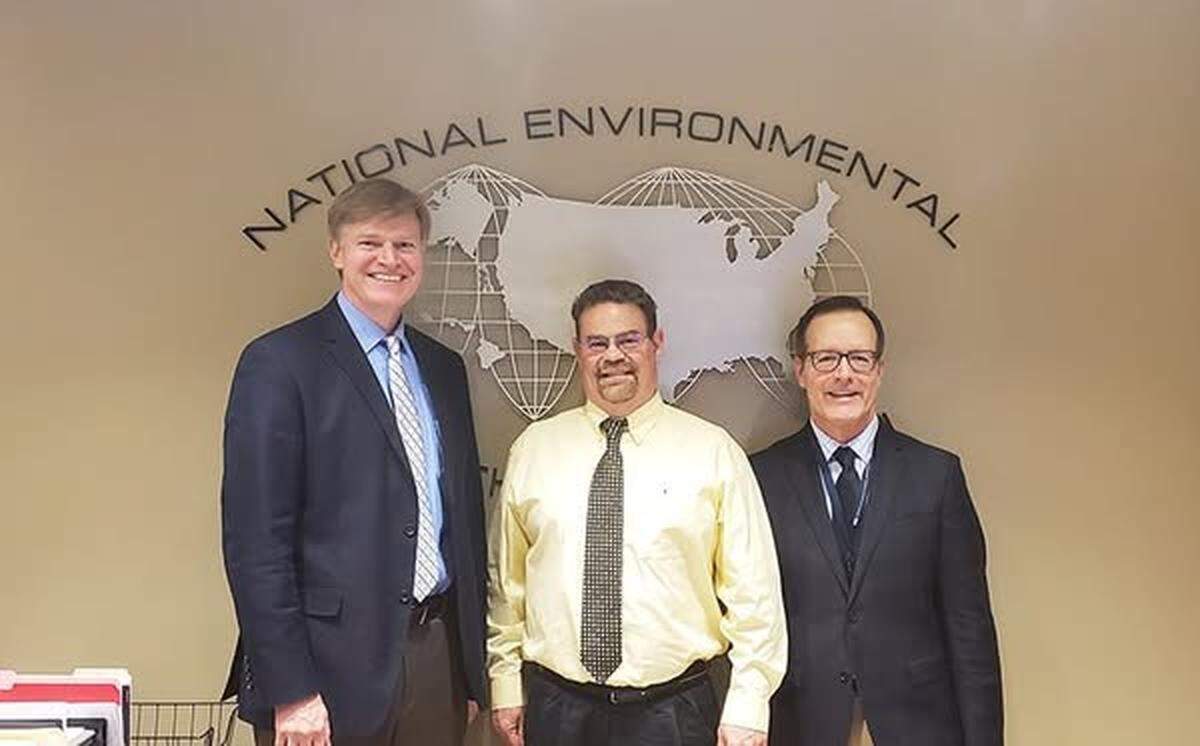
Officials in North Carolina, whose health agency receives funds from the Environmental Health Science section of the CDC, unraveled an apparent connection between children who were eating a certain type of applesauce and elevated lead levels in their blood.
The Division of Environmental Health Science and Practice then launched efforts to see if similar trends were found in other states. Ultimately, the CDC division, working with state health departments, found about 500 cases nationally like the one in North Carolina. The U.S. Food and Drug Administration recalled the polluted applesauce.
Those cases included three involving children in South Carolina whose elevated blood lead levels were associated with eating the WanaBanana cinnamon apple puree.
The research is credited with helping to save children from continued exposure to lead-tinged food. The contamination apparently came from South American cinnamon that was in the apple sauce, according to a 2024 CDC report.
Svendsen, despite multiple positive performance reviews, was let go April 1 because the Trump administration didn’t think his job — or his CDC division — was doing work that was necessary. The administration has spent much of this year drastically slashing the federal work force in the name of efficiency.
An email from a federal representative named Tom Nagy said the firing was not because of job performance. Instead, Nagy said Svendsen’s duties were “either unnecessary or virtually identical to duties being performed elsewhere in the agency.’’
Svendsen, who said he did not know Nagy, disputes that assessment.
“That is incorrect,’’ he said. “No other group does what we do in the federal government.’’
Unfortunately, state health departments across the country now “are on their own,’’ he said.
Svendsen is being paid by the federal government through May but is not allowed to work, he said. Svendsen’s CDC salary was in excess of $200,000.

Grateful Graniteville
Svendsen gained acclaim years before he landed at the CDC because of the research he conducted following the 2005 railroad accident in Graniteville.
Community resident Louisiana Sanders said his work is still appreciated. Sanders said the government’s decision to axe Svendsen and the people who worked with him is hard to understand.
“My God, I cannot believe they laid him off,’’ Sanders said. “He is one of the main reasons why we were able to get grants to do lung testing in Graniteville that found out people were ill, that their lungs had been impacted in the train wreck.’’
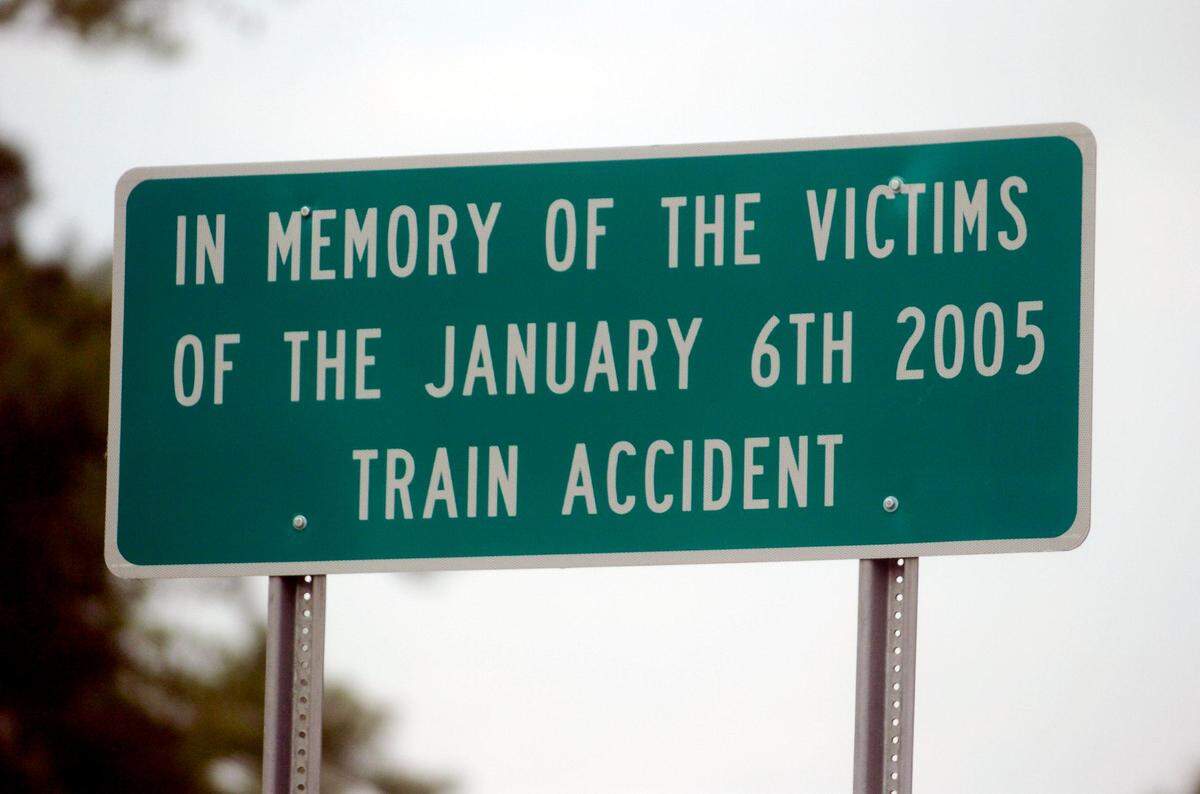
The sensational Graniteville wreck released a toxic cloud of chlorine, killing nine people and injuring hundreds of others. The crash occurred when a speeding freight train ran off a main track and crashed into a parked locomotive, releasing gas from a tanker car.
Svendsen, then an epidemiologist with the state and a research professor at USC, got to work, launching plans for extensive studies on the chlorine spill.
Through his research, Svendsen found that some adults in Graniteville were still suffering from breathing problems a year after the crash occurred because of exposure to chlorine.
Later studies he conducted built on those initial findings, showing that chlorine exposure in 2005 had led to breathing problems years later. The studies were some of the first of their kind and were considered important to understanding the fallout from a disastrous chlorine release.
His findings were important in Graniteville because they documented lung disease, which helped people make their cases for medical treatment.
Sanders, a former state Department of Health and Environmental Control board member, said Svendsen is a dedicated scientist who was patient and friendly in dealing with the public — and he was smart in his assessments about the Aiken County train wreck.
Losing his expertise in the federal government is a blow to states like South Carolina and across the country, she said.
“They are going to be very lacking’’ without Svendsen and his division, Sanders said. “The system is already shorthanded. This is going to put us back another 20 to 30 years.’’
Svendsen, who grew up in Minnesota and California, has a Ph.D. from the University of Iowa in preventive medicine and environmental health. After he graduated from Iowa, he received a post doctoral fellowship from the U.S. Environmental Protection Agency in North Carolina to study the effects of air pollution on children with asthma.
He eventually became a research professor at USC, while jointly serving as South Carolina’s environmental epidemiologist at the Department of Health and Environmental Control.
During his time at Carolina, Svendsen studied the effects of lingering radiation in dust on children in the Chernobyl area of Ukraine, home to what’s considered the world’s worst nuclear disaster. His research tied exposure to radioactive cesium to lung problems in children.
Following work in Columbia, he moved to Tulane University and then MUSC before taking the job with the CDC’s environmental health science division in Atlanta. While at Tulane and MUSC, he continued with Graniteville studies before a funding shortfall shut the work down.
Tim Mousseau, a University of South Carolina researcher known worldwide for his studies at Chernobyl, said Svendsen’s layoff is a loss for science and public health.
“Without people like Erik and the group he’s been leading at the front lines, the population is dramatically more vulnerable,’’ Mousseau said.
This story was originally published April 10, 2025 at 11:12 AM.