Sweeping energy bill gets blessing of SC Senate, despite concerns about rate increases
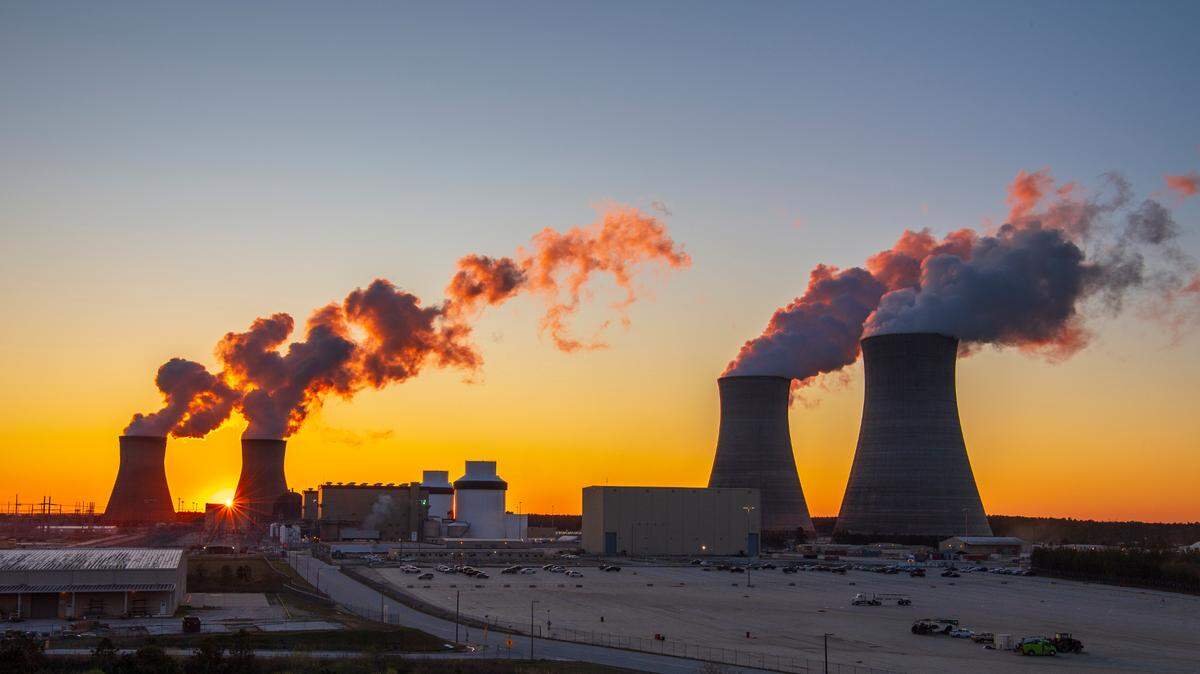
The state Senate signed off on a major energy bill Wednesday that opens the door for construction of a large natural gas plant in rural South Carolina, while encouraging generation of more energy as the state grows.
But the Senate’s decision, which still needs approval from Gov. Henry McMaster to become law, didn’t come without complaints that the legislation does not protect power company customers from rate increases driven by big energy users.
The 35-11 Senate vote to approve changes the House made to the bill follows at least two years of discussion and arguments over how to craft the legislation that utilities and some lawmakers say is vital to keep the lights on in South Carolina and to recruit industry. The vote to support the House changes, made on the next to last day of the legislative session, occurred as time was running out on the bill.
“Hallelujah,’’ said Sen. Luke Rankin, R-Horry, after the bill passed Wednesday afternoon. “This is a win for everybody.’’
Key elements of the legislation are:
- Authorization for state-owned Santee Cooper to help build a 2,000 megawatt natural gas plant with Dominion Energy
- A streamlined process for appealing permits for new energy projects;
- Encouraging the expansion of nuclear energy.
- Allowing utilities to raise rates in smaller amounts, more frequently, than large increases at one time.
Dominion Energy issued a statement Wednesday saying it was pleased with the Senate’s decision.
“This new legislation will enact smart reforms, resulting in the ability to provide critically needed electricity and natural gas to power homes and businesses in the Palmetto State efficiently and cost effectively,’’ the company said.
While boosters of the legislation were enthusiastic because they say it will help address energy demands, others said the bill dropped consumer protections, including important controls on the growth of data centers that use large amounts of energy and water. The Senate, in early April, amended the bill with controls on data centers, including limiting state incentives. But following the upper chamber’s 41-3 vote April 2, the data center section was removed by the House of Representatives before sending the bill back to the Senate last week.
It remains unclear which senators negotiated with the House on removing the data center oversight, but environmentalists say the House changes were pushed by power companies.
A major concern with data centers moving into South Carolina is how they might affect the average ratepayer. Some senators were worried that when new data centers open in the state, they could create the need for more energy plants — and costs related to the plants could be passed on to ratepayers. Data centers provide power for internet searches, among other things.
“I’m fine if they come here,’’ said Sen. Shane Massey, R-Edgefield. “ I just don’t want everybody else to pay for what they require. I don’t know why we need to incentivize them.’‘
He and Sen. Chip Campsen, R-Charleston, said data centers are the root of the state’s energy demand.
By not including language to control data centers, “you’re giving money away you don’t have to give away,’’ said Massey, the Republican majority leader who has been critical of state utilities. Massey said data centers will put demands on the need for more energy, and that will almost surely cost the average ratepayer.
Massey also criticized a section of the bill, supported by utilities, that would allow them to raise rates more frequently for customers. The idea is to charge certain costs annually, so that a major rate increase doesn’t hit all an once. But Massey said legislators would regret supporting that section of the bill.
The bill also does not include expanded public notice about pending energy projects that could require the condemnation of private property. The House dropped that section before sending it to the Senate after power companies complained about the notice requirement.
Sen. Tameika Isaac Devine, D-Richland, voted against the bill because she said the House stripped out important consumer protections, including language that would have held large data centers responsible for any infrastructure built to serve them. Some of her constituents already have trouble paying power bills and could have benefited from rules that could hold rate increases in check, she said.
“We’re about to pass something because it is the next to last day of session,’’ she said.
Even with the House changes, Sen. Tom Davis, R-Beaufort, said he supported the bill because it has key elements the state needs to embrace.
“There is enough good in here to move us forward,’’ Davis said.
Parts of the bill that raised relatively little debate in the Senate are provisions to encourage expansion of nuclear power.
The bill requires the Governor’s Nuclear Advisory Council to develop a strategic plan to advance development of atomic power generation. Additionally, it encourages utilities to explore the potential for advanced nuclear power options, including small modular reactors, which are atomic power plants that are much smaller than those developed in the U.S. previously. The concept with small reactors is that they can be developed more easily and deployed in more places than large plants.
Some of the biggest parts of the bill are sections to reduce what utilities see as obstacles to establishing new power plants and pipelines. Appeals of energy permits would go directly to the Supreme Court after a review in the state’s administrative law court, instead of going to the state Court of Appeals first. That eliminates one level of legal appeal.
Proponents of the bill say eliminating obstacles that can delay projects for years is vital to energy expansion in South Carolina, even though critics say it could allow work to be done with less regard for protecting the environment and customers.
The legislation also calls on state agencies to put on priority any applications for new energy projects. It establishes a six-month deadline for agencies to approve permits for such projects, once applications are considered complete. In addition, the bill makes it easier for mid-sized businesses, such as retail stores, to generate their own solar power. And it encourages energy efficiency, although specific targets for achieving those goals for utilities were removed.
The natural gas plant, to be built at the site of an old coal-fired power plant in the Canadys community, would cost more than $1 billion to build, according to some estimates. The 2,000 megawatts to be provided by the facility are comparable to the energy that would have been generated from a failed nuclear expansion project in Fairfield County eight years ago. The plant would still need approval from the S.C. Public Service Commission, as well environmental agencies.
Not only will the plant help provide energy for future needs, but it would help Santee Cooper and Dominion replace the capacity they will lose when the companies’ remaining coal fired power plants close. Plants such as Santee Cooper’s Winyah coal plant are getting old and expensive to run, and tighter federal regulations make them tougher to operate. Coal fired power plants are a major source of carbon dioxide pollution, which contributes to global warming.
Environmentalists have cautioned that the natural gas plant presents concerns. It will require the need for more pipelines, which could disrupt the landscape, including the acclaimed ACE Basin nature preserve between Columbia and the coast south of Charleston. A meeting by conservationists was planned Wednesday night in Colleton County to discuss environmental concerns.
Senators voting against approving the energy bill as amended by the House were: Karl Allen, Allen Blackmon, Chip Campsen, Richard Cash, Tom Corbin, Tameika Devine, Shane Martin, Shane Massey, Harvey Peeler, Rex Rice and Ed Sutton.
This story has been updated with a list of senators voting against the measure and including comments from Sen. Tameika Isaac Devine and Dominion Energy.
This story was originally published May 7, 2025 at 4:17 PM.