Why did LLCs donate more than half of SC House budget chair’s ’25 campaign cash?
Editor’s Note: This is the first installment in Follow the Money, a new series examining who is funding the campaigns of South Carolina’s most influential lawmakers — who are up for reelection in November.
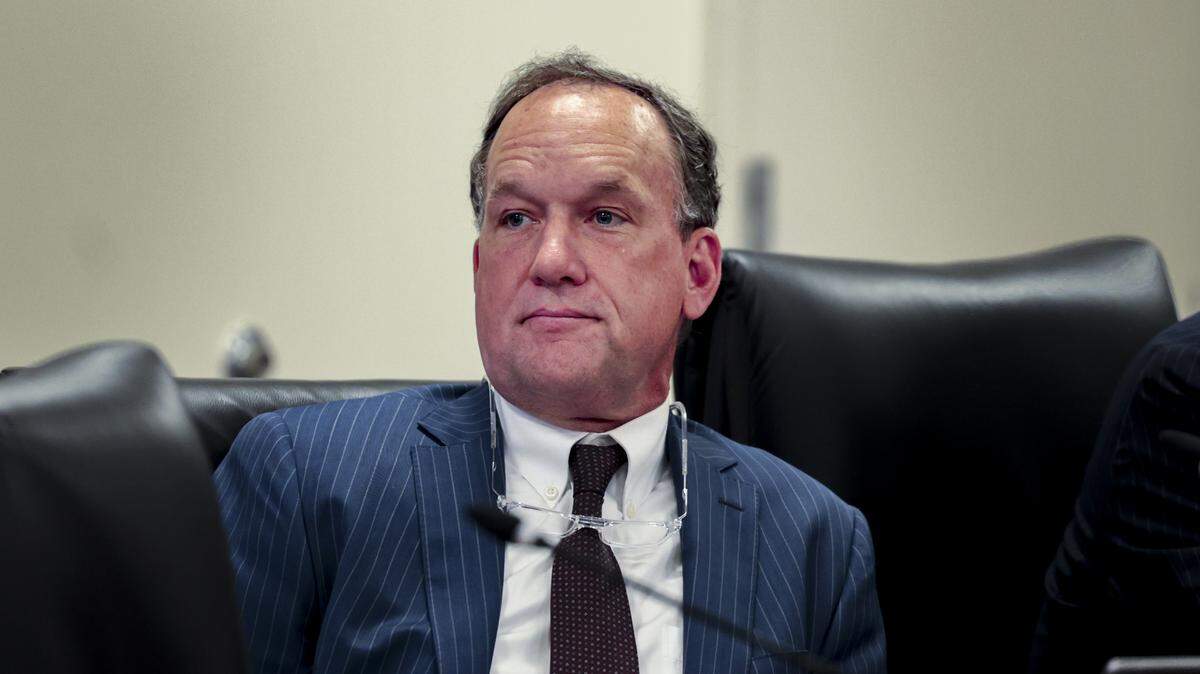
May 22 was a strong day of fundraising for state Rep. Bruce Bannister, a Greenville Republican and one of the most powerful members of the S.C. House of Representatives who is up for reelection in November.
On that day, $23,000 in donations flowed into his campaign account from one single address in Los Angeles. Earlier that month, $2,000 in donations came from the same LA address. Collectively, the $25,000 represent nearly 40% of all money Bannister raised in 2025.
The donations did not come from a fundraiser or individual donors. Instead, each came from a different limited liability corporation, or LLC, a common business structure. Campaign filings show every LLC listed the same L.A. address — the fifth floor of a beige office building — and each gave $1,000, the maximum allowed under S.C. law.
The identical dollar amounts, the shared address and the fact the checks were deposited the same day suggest a coordinated set of donations routed through a network of corporate entities. It’s a legal practice in South Carolina.
This type of LLC-based donation structure is becoming more common in politics. And finance campaign experts say it gives donors who can give more a big advantage. Instead of giving just once, the same donors can give again and again through different LLCs. Because each counts as a separate donor, they can legally give far more than the $1,000 limit — multiplying their influence.
“What the public servant is supposed to be doing is representing at least the majority of his or her constituents, rather than a few people who are providing the resources that help them win elections,” said Eric Heberlig, a professor of public policy at the University of North Carolina Charlotte. But if issues prioritized by large donors are taken up over topics that matter to a majority of constituents, “that’s skewed democracy at best,” Heberlig said.
Additionally, identifying the people behind an LLC can be difficult. That makes it hard for the public to know who is funding candidates since a specific name or easily searchable business isn’t attached to the contribution.
“Transparency matters because you need to be able to see if there’s a direct connection between the dollars that are being spent to keep somebody in office and how they carry out their official duties,” said Lynn Teague, the vice president at South Carolina’s chapter of the League of Women voters.
Bannister is a particularly influential recipient.
As chairman of the House’s Ways and Means Committee, he oversees the House’s writing of the state budget and the shaping of tax policy. He also helps decide what areas receive money for earmarks, more recently called community investment projects, and which companies receive economic incentives – decisions with significant consequences for businesses and investors who operate in the Palmetto State.
“It’s pretty logical that groups would … figure out who’s active on their issues, who has expertise … who’s effective on their issues and give money to those people …,” Heberlig said.
But Bannister, who has served in the House since 2005, said he does not do the bidding of his donors.
“You do know (donor’s) name, and you know who they are, and you know what their issue is, but it doesn’t mean you’re going to do it. It just means that you know what their issue is,” Bannister said in an interview.
He added that the donations are sent to a P.O. Box and are handled by a campaign finance compliance worker.
“There’s a lot of times I don’t see the donations,” said Bannister, who faces no Republican challenger in the June primary but has two Democratic challengers vying to face him in November.
“When I have a contested race, I can look and see who’s made donations and call for additional funds. It’s not something where they’re (donors are) coming into your office, and they’re giving you the checks, (where) they’re saying, ‘Hey, we’re giving you all this money. We have this issue.’ That’s not how it works.”
Multiple donations linked to investment firm with SC ties
So just who is behind the 25 donations?
Using public records, The State Media Co. linked four of the LLCs to executives at M Group Companies, a real estate investment firm with offices in Texas and Florida. Its investments span apartments, residential subdivisions, mining operations and entertainment venues.
At least one LLC tied to M Group has an S.C. footprint: 14th Avenue Ocean Blvd LLC purchased four parcels at that intersection in Myrtle Beach in 2019 for nearly $12 million. The LLC is also represented by a lobbyist at the S.C. State House, who declined to comment.
Bannister said he first spoke with M Group Companies’ CEO Patrick Marino and chief operating officer Brian Macho when South Carolina paused its low-income housing tax credit program in 2022, after an expansion drew heavy demand and used up available tax credits. The program has since been revised and resumed. Bannister added that lawmakers set the rules but do not decide which developers receive the credits.
M Group did not return phone calls made to its office.
Marino and Macho were involved in TheBLVD development on the 1400 block of Ocean Avenue in Myrtle Beach next to the four parcels. They received an award in 2018 for the development, which features food and entertainment establishments.
“THEBlvd was designed to showcase Myrtle Beach and its beach lifestyle by bringing in great food, entertainment and shopping to one of the nation’s most popular family and vacation destinations,” Macho said in a 2018 news release celebrating an award from Coastal Carolina University.
Macho said the group believed the development “will help the Myrtle Beach community continue to flourish as a whole new generation discovers the vitality, diversity and charm that the boardwalk has to offer.”
The M Group executives have since advocated for earmarks, or state money for local projects, to help pay for infrastructure in downtown Myrtle Beach, Bannister said.
Their plan for the parcels include retail, residential and possibly a police substation, Bannister said.
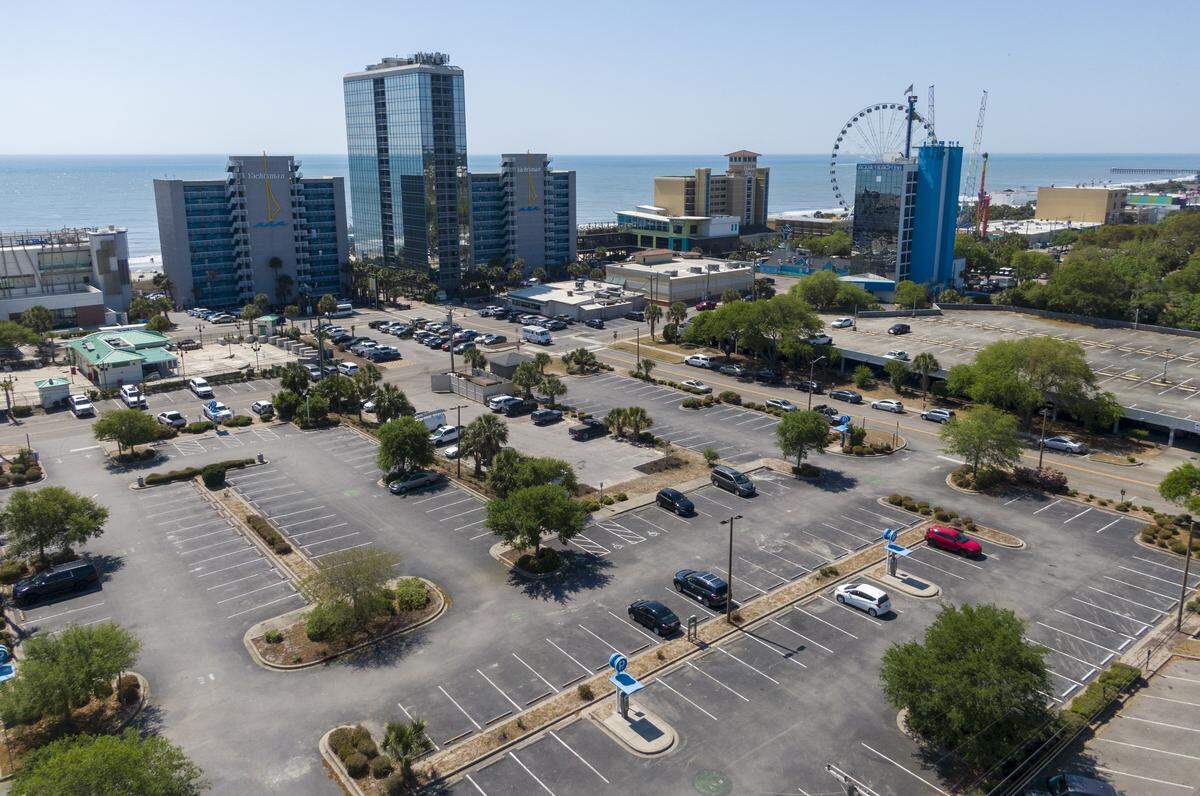
State Rep. Case Brittain, R-Horry, said he and others are proposing a $25 million earmark to rebuild M Group’s parking garage located near the parcels. The earmark would also pay for improvements to the city’s Chapin Memorial Library and Chapin Memorial Park as part of a broader downtown redevelopment effort to attract families.
Brittain added 25% of the workforce housing units in M Group’s development will be aimed at workers such as teachers, police officers, first responders and daycare workers.
Marino donated $1,000 in 2025 to Brittain’s campaign, state ethics records show.
Bannister would not say whether he would support putting the earmark in the state’s budget, saying only that he would “look at it.”
“I think the entire (Horry County) delegation has signed on to it, and the mayor down there is asking for it,” Bannister said, adding that budget writers in recent years have sent money to other parts of the state to help with downtown redevelopments efforts.
“I know they’re looking for some state money to go in to help them, similar to Spartanburg and Greenville (and) Sumter,” Bannister said.
In-home care business behind $9K in donations
Bannister also received another burst of donations: $10,000 during two days in July from a Lexington, S.C. address. The donations, again in $1,000 increments, came from 9 LLCs and the Personal Care Coalition of SC, an advocacy organization for in-home health care groups.
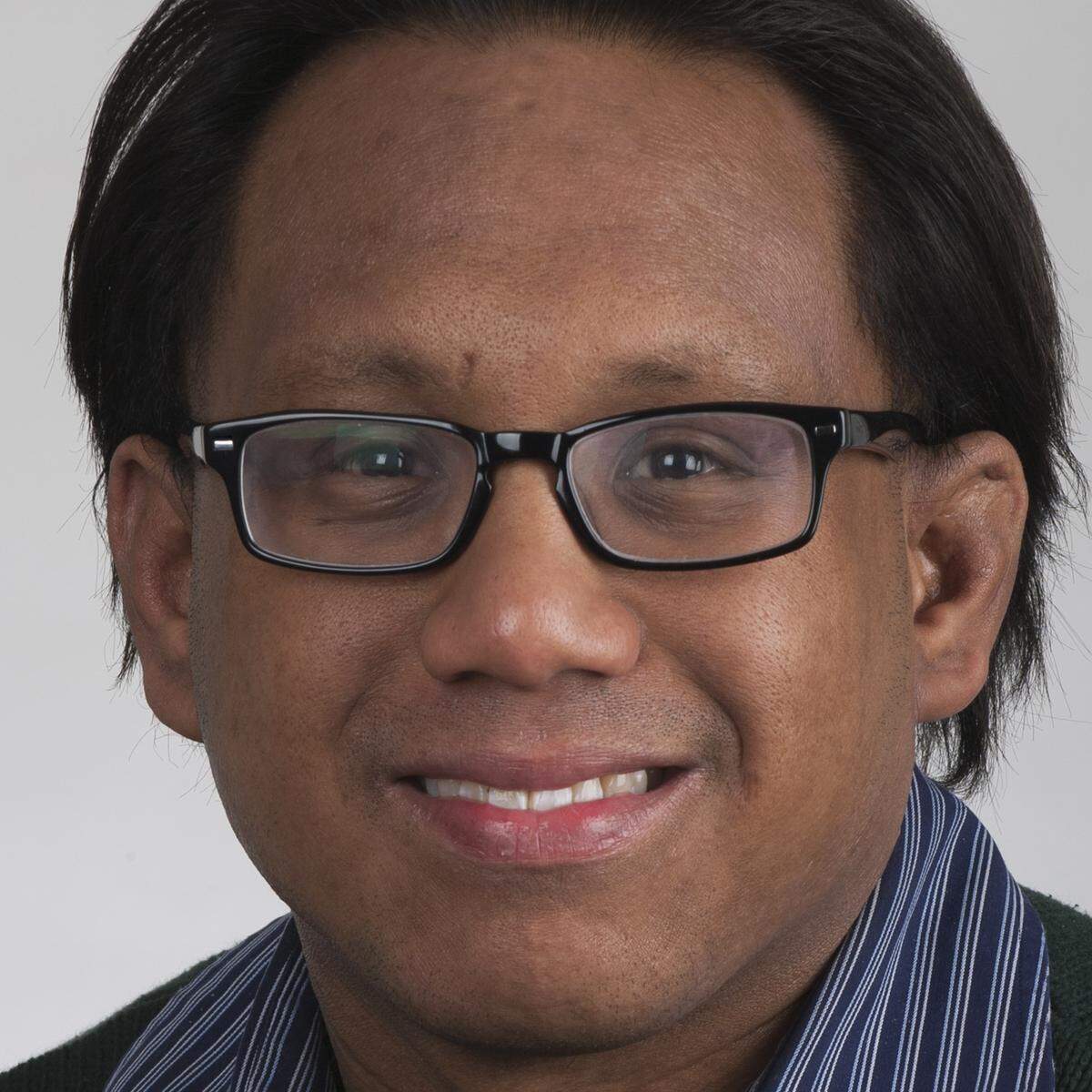
The State Media Co. traced nine of the donations to Sameer “Sam” Mathur or Jayshree Mathur, who are married. Jayshree Mathur declined to speak with The State through Sam Mathur.
Mathur said in an email to the newspaper each LLC had different business accounts, expenses, income and activity. He is president of Comfort Home Health Care Inc. in Irmo, which provides in-home care to Medicaid patients under contract with the state. Mathur also said he is a member of the Personal Care Coalition of SC.
Mathur said in an email that he donates to several lawmakers who are “thoughtful to business, healthcare and community issues,” and that his contributions were not tied to any specific funding requests. In-home providers are generally concerned about Medicaid reimbursement rates and policies affecting them, Mathur said. He gave several donations to at least three other lawmakers in 2025.
Since fiscal year 2023, the Comfort Come Health Care has been reimbursed nearly $28.3 million in federal and state Medicaid funds, according to state data. Those payments were for personal care, respite care, companion care and attendant care, along with incontinence supplies, according to the state Department of Health and Human Services.
Bannister also said that in-home health care providers are concerned about Medicaid reimbursement rates, as South Carolina routinely works to find the “sweet spot” in setting payments for providers like Mathur’s company. A reimbursement rate that is too high could attract too many out-of-state providers to the state. One that is too low could drive SC providers out of business and push residents into nursing homes or assisted living instead of keeping them at home with in-home care.
Bannister said Mathur phones him about once a year. Mathur said he has “very limited direct contact” with Bannister.
“They (in-home health care providers) were trying to make sure that we understood as policymakers that shift and a drop in those reimbursements would potentially put them out of business and shift that cost to the state, and they’re very worried about it,” Bannister said.
Some in-home health companies are scheduled to get a rate increase later this year when Senate and House leaders, including Bannister, work out a final version of the state budget.
The House’s budget proposal increased state spending on medical assistance for durable medical equipment up to $22.3 million, a $9 million increase. Senate lawmakers matched the increase in their version of the budget. Home health services also increased by more than $100,000 in the House’s proposal.
“We’re not here to make people’s business more profitable or to put them out of business, but (understand) they are providing a service …” Bannister said. “Do we want that service to be provided, and if we do, are we paying a reasonable amount to do it well?”
How do donors influence candidates?
Teague, the League of Women Voters vice president, said influence through campaign donations isn’t always an explicit exchange of favors.
“A lot of what happens with the influence of money is not any kind of blatant quid pro quo,” Teague said. “Nobody has to make a phone call, nobody has to come in the (State House) lobby.”
But if a candidate knows an LLC or network of LLCs is “a big hunk of your campaign money, it’s going to be in the back of your mind that you need to take their point of view very carefully into consideration,” Teague continued.
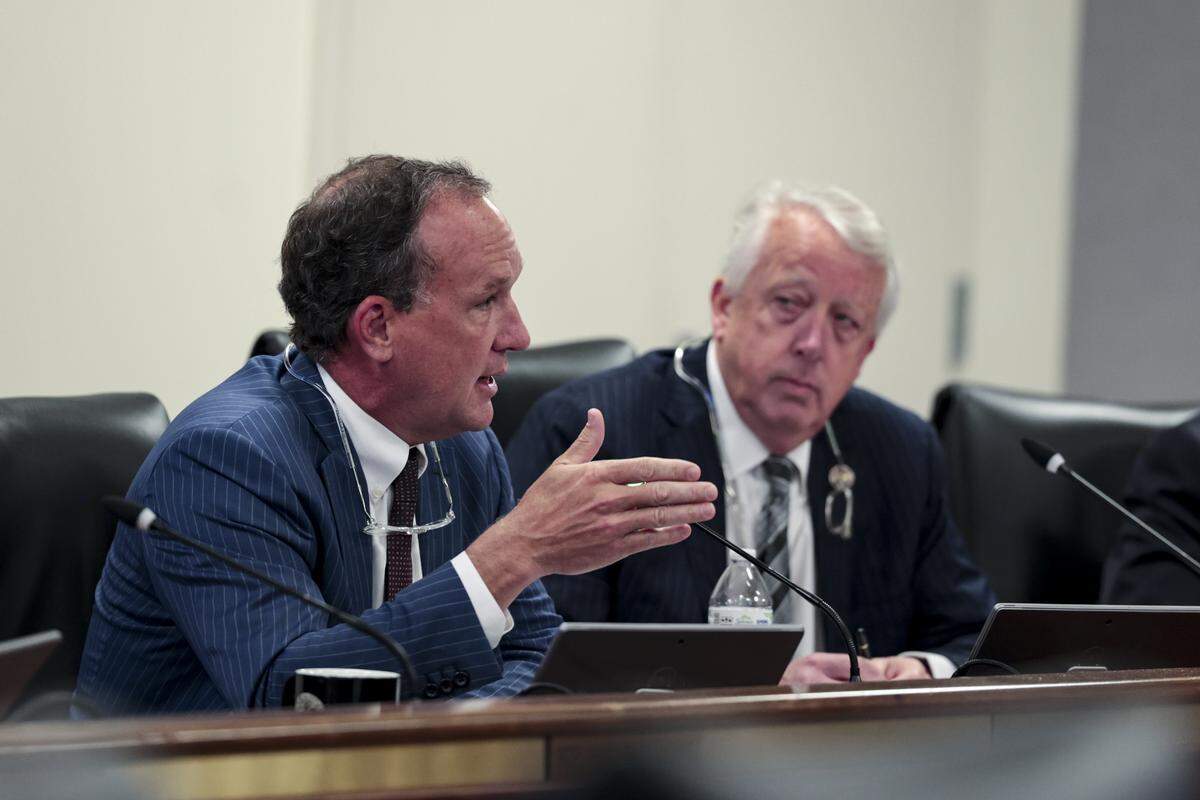
When asked whether it was appropriate for one person to give thousands of dollars through multiple LLCs, Bannister said he would prefer to raise contribution limits for individuals while restricting LLC donations.
He said he supports raising the maximum donation to legislative candidates from $1,000 to $3,500 — matching the limit for statewide races — while restricting donors to one contribution each, regardless of the number of LLCs they control.
“That would be a better way to raise money than to say, ’Okay, a guy with 10 LLCs can give $10,000, $1,000 for each LLC,’” Bannister said. “But a husband and wife who don’t have an LLC are restricted to $1,000 each (for a total) of $2,000.”
About a decade ago, lawmakers sought to tighten the state’s ethics laws amid scrutiny of political donations tied to Howard Rich, a New York businessman and libertarian activist who was reported to have routed contributions to S.C. candidates through a network of LLCs and other campaign finance practices that drew criticism at the time.
The legislative proposal included barring non-candidate committees from donating to candidates’ campaigns, but it ultimately failed.
”We looked at changing that, and ultimately, there was such a backlash that we haven’t gone back to the ethics act to talk about it,” Bannister said.
Teague said she also favors increasing campaign contribution limits for individuals so that donors are less tempted to use dark money channels, which are untraceable.
“It has become increasingly obvious that the dark money problem is so hard to solve that we would be better off raising the campaign limits,” Teague said. “Not to some outrageous amount that would genuinely be a giant bribe but raise them, reduce the incentive to go with workarounds, like these LLCs.”
Gina Smith is the director of SC Investigates, a nonprofit newsroom that collaborates with SC newspapers to produce accountability journalism.