SC paper mill with stinking past also had toxic mercury discharges
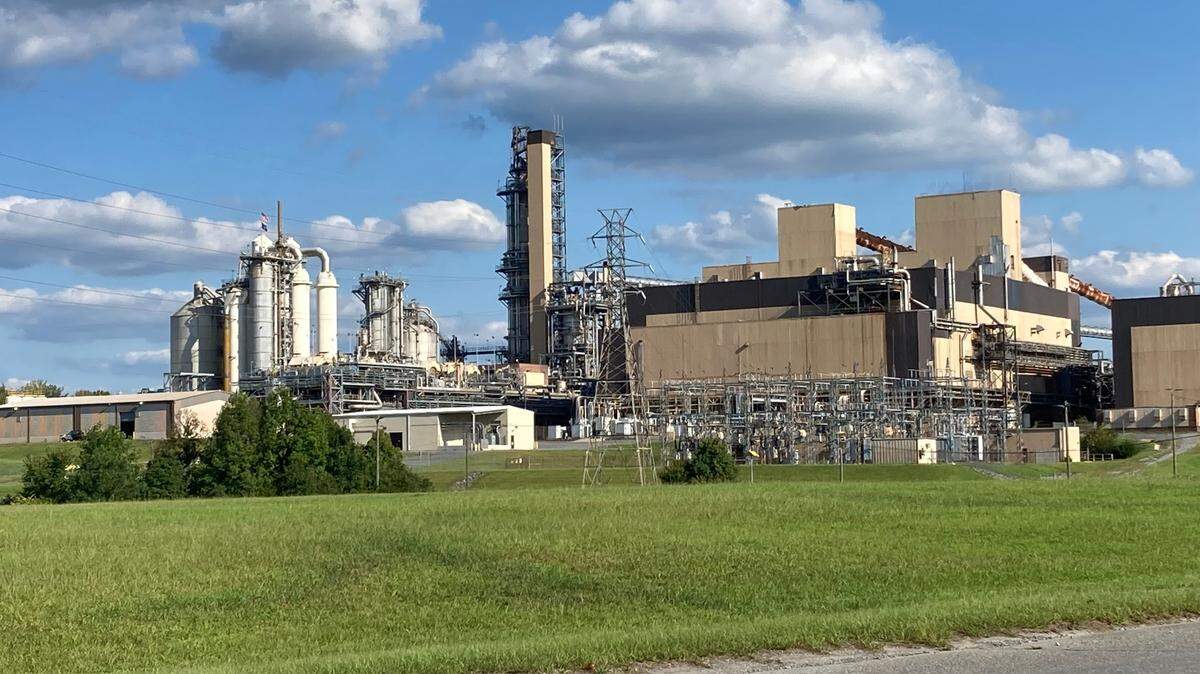
South Carolina’s New Indy paper mill, a factory that has drawn tens of thousands of odor complaints from its neighbors, releases more of a powerful neurotoxin into the air than any other major paper plant in the country, a new report says.
The amount of mercury leaving New Indy’s York County plant is detailed in a study that examines air pollution at the nation’s largest 185 paper and pulp mills.
A major finding is that many paper mills aren’t fully reporting the amount of greenhouse gases they release into the air because of a loophole in federal law. The report says they are burning fuels that release too much air pollution.
But the report also provides insight about the discharge of mercury.
The study, conducted by the Environmental Integrity Project, calls New Indy’s plant “the worst polluter in the nation’’ for mercury at paper mills, as well as for zinc, another type of metallic waste.
Mercury can cause a range of health problems, including kidney and nervous system damage, to those regularly exposed to it. Mercury exposure can come from drinking contaminated water, eating polluted fish or by inhaling the material. The more mercury a person takes in, the more toxic it can be.
Some forms of mercury are more hazardous to people than others. Even so, all forms of mercury are toxic, according to the S.C. Department of Environmental Services.
While mercury pollution from coal-fired power plants and some other facilities has traditionally been greater than from paper mills, environmentalists said mercury coming from any major industrial plant is a concern. The report ranked New Indy among the top 15 percent in mercury releases overall.
“Mercury is a neurotoxin that is not safe at any level, so even relatively small amounts being released to the air are a potential public health concern,” said Courtney Bernhardt, director of research at the Environmental Integrity Project. “The New Indy plant should do more to control its toxic air pollution, including its mercury emissions.”
The toxic metal has built up in South Carolina fish, prompting health advisories against eating too many of certain species from many of the state’s most visible waterways. The problem is at least partially attributable to industrial air pollution that settles back into rivers. Virtually every major river in the coastal plain, and some large recreational lakes in the Upstate carry mercury warnings.
So far, the state of South Carolina has not found enough mercury in the Catawba River’s fish near New Indy to issue a warning about limiting consumption of certain species. But regulators have issued warnings upriver in North Carolina. And through the years, South Carolina regulators have systematically expanded warnings for mercury in rivers and lakes as they have learned more.
The Catawba River currently has a warning about fish polluted with PCBs, hazardous materials that can cause cancer to people exposed to sufficient amounts.
The Environmental Integrity Project report, which relied on federal government data, says the nation’s pulp and paper mills need to improve pollution controls to keep mercury and other material, such as greenhouse gases, from getting into the air.
Founded in 2002 by a former top U.S. Environmental Protection Agency enforcement official, the Environmental Integrity Project is a public interest group that examines national pollution laws and government enforcement efforts, while helping communities with environmental issues that affect their air, land and water.
In addition to New Indy’s mercury releases, an Environmental Integrity Project news release says greenhouse gas pollution from the nation’s paper industry is “vastly under-reported.’’
The pulp and paper industry reported releasing 33.2 million metric tons of greenhouse gases in 2023, but the amount of the gases coming from paper mills is estimated to be 115 million metric tons, the report said. That’s because the federal government grants exceptions for reporting greenhouse gases that come from burning wood, which many plants take advantage of, the report said.
A long-standing paper mill in Eastover, southeast of Columbia, reported less than 15 percent of the greenhouse gas pollution it is estimated to have produced, the report said. That mill, formerly operated by Union Camp, is today overseen by Sylvamo, which has pledged to upgrade the facility. Efforts to reach a company official were unsuccessful.
Plant caused uproar
The mercury releases from New Indy’s York County facility are among multiple issues the paper mill has dealt with in recent years. The aging plant caused a furor in communities in both North and South Carolina for more than a year, as a result of odors.
In 2021, residents began to complain of a powerful stench that made many of them feel ill with headaches and nausea. All told, South Carolina’s environmental agency received nearly 50,000 odor complaints from people who live in the area.
Concerns also have surfaced about toxins, including cancer-causing dioxin, washing off the New Indy site and flowing to the Catawba River, a drinking water source for some communities downstream. Dioxin, so far, has not been documented as an issue in Catawba River fish and New Indy says it has not released dioxin since acquiring the aging plant.
New Indy, which last year settled a major pollution lawsuit brought by neighbors for more than $100 million, was fined more than $1 million by state and federal agencies.
The company has said it would make improvements and many of the odor complaints have subsided. Officials were not available for comment Thursday.
The paper mill has existed for more than 60 years and was previously run by Bowater. New Indy, owned partially by New England Patriots owner Robert Kraft, acquired the property about seven years ago. The mill today specializes in making cardboard material.
The Environmental Integrity Project report says the New Indy plant released 41 pounds of mercury into the air in 2023, the most recent year in which data was available. The plant also released 42,116 pounds of zinc that year, the report says. Those amounts are greater than other major paper and pulp plants, the study said.
According to the U.S. Environmental Protection Agency, mercury can damage people’s nervous systems and kidneys. Other effects of continued exposure to mercury are tremors, impaired vision, memory loss and mood changes.
Children are particularly sensitive. The EPA says brain damage can result in children from exposure to high levels of methyl mercury, one form of the toxin. Zinc can cause lung irritation.
Aging equipment
The Environmental Integrity Project report, called “A Paper Trail of Pollution,’’ found that many air pollution problems from the nation’s pulp and paper plants come from aging boilers used to run the factories.
All told, about 73 percent of the 185 mills examined have outdated boilers, or those exceeding 15 years old, the report found. Some boilers have been used for more than five decades and the average age of the boilers is 41 years, the study said, basing its findings on U.S. Environmental Protection Agency data.
The environmental organization reported that some paper and pulp mills burn material to make energy that is particularly harmful and should be discontinued. Some mills burn old tires, while others burn a material known as “black liquor,’’ a byproduct of processing wood to make pulp.
Ways to cut down on harmful pollution from paper mills include burning cleaner fuels, replacing outdated boilers with zero-emission heat technology, and making more paper products from recycled paper, according to the report.
The pulp and paper industry has been a mainstay of the state’s economy for decades, producing thousands of jobs in communities from the coast to the Upstate. International Paper, a major employer in Georgetown County, has recently shut down its mill, raising concerns about how that might hurt the state’s timber industry.