Scientists use ‘torpedo’ in effort to save rare whales from boat collisions
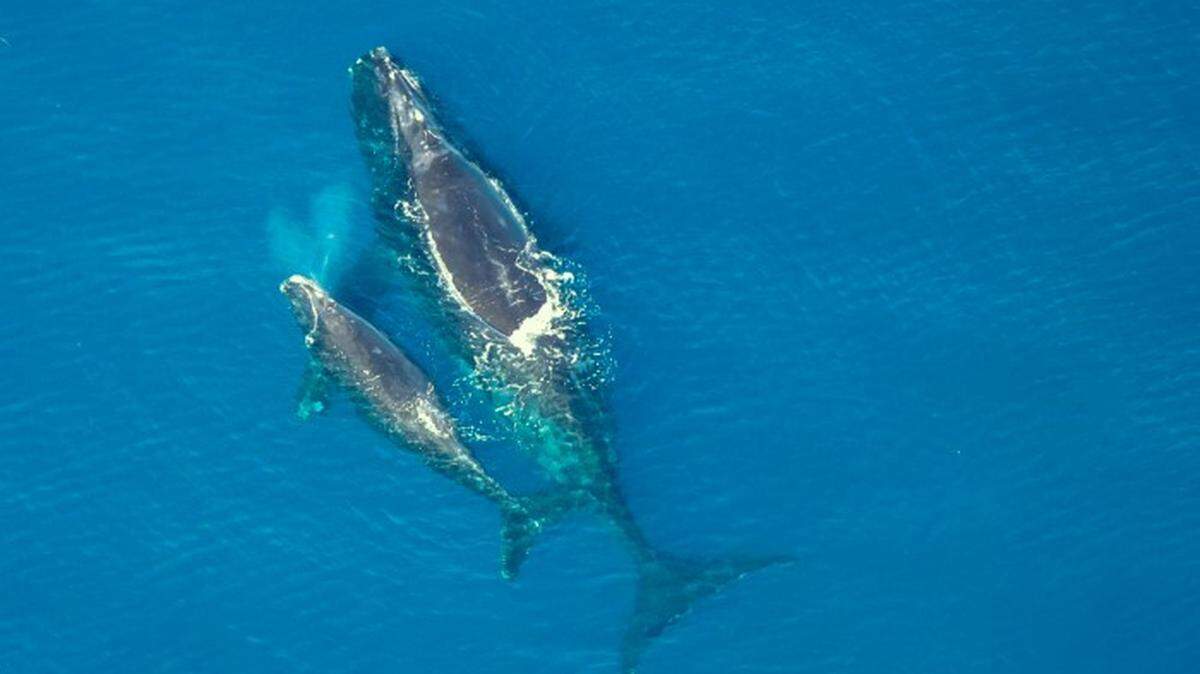
At a time when federal protections are lacking for some of the rarest whales on the planet, researchers in South Carolina and Georgia are trying to save the giant mammals through a combination of sophisticated equipment and warnings to keep boaters from colliding with the beasts.
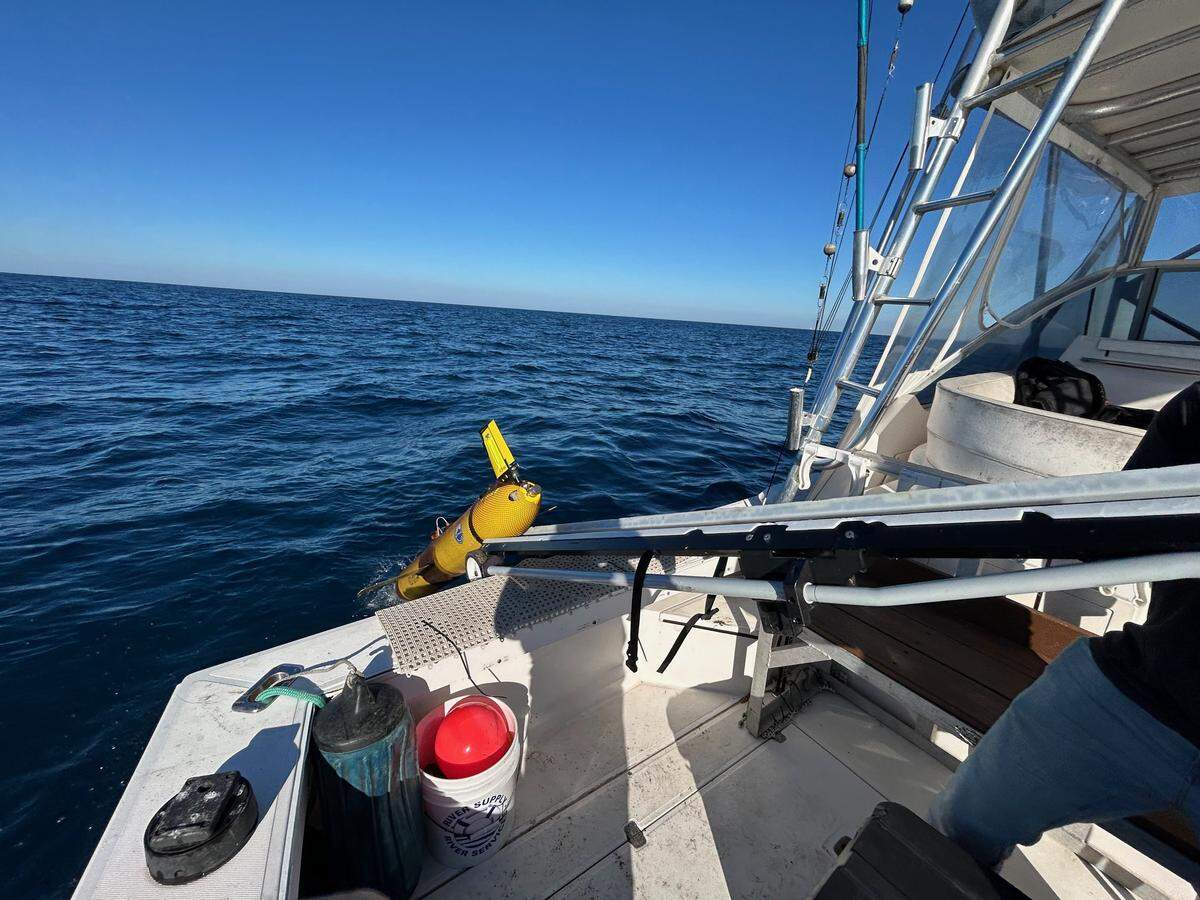
Scientists spent a recent December weekend along the Southeast coast launching a torpedo-shaped glider that seeks to find the location of whales as the animals move south to have babies. In addition to the underwater glider, researchers installed a new buoy with tracking devices off the coast of Savannah.
In each case, the goal is to find North Atlantic right whales and get the word out so that boaters don’t smash into the animals during the winter calving season. The glider, operated by the University of Georgia’s Skidaway Institute in Savannah, listens for whale vocalizations and sends signals to a satellite. University of South Carolina researchers examine the data, then send verified whale locations to agencies and websites that alert the public.
It’s important work, USC whale researcher Erin Meyer-Gutbrod said, because the population is so threatened. Under 400 North Atlantic right whales exist today, and among the main threats to their survival are fishing gear entanglement and collisions with ocean-going vessels.
Ships and boats often don’t see the animals because right whales swim just below the water’s surface. The animals don’t have dorsal fins and are less noticeable than other types of whales, such as the more common humpback.
“Unfortunately, in the current political climate, we don’ t think there’s much chance in a regulatory approach,’’ Meyer-Gutbrod said, referring to the lack of stronger federal protections for right whales. “So that puts the onus on communication and engagement with individual mariners that are out at sea.’’
Former President Joe Biden’s administration had proposed tougher restrictions that would have forced smaller boats to slow down during the winter, when right whales come South to have babies. Restrictions already exist along the immediate coast for boats 65 feet and longer. But Biden’s administration wanted to lower the size of boats that must slow down to 35 feet. The plan also would have widened the area where whales must be protected.
In January 2025, however, the National Oceanic and Atmospheric Administration dropped the rules as incoming President Donald Trump prepared to take office and after an outcry from businesses that rely on boating and shipping. U.S. Sen. Lindsey Graham, R-SC, had blasted the proposal as being tough on seafaring businesses with no guarantee it would save whales.
Meyer-Gutbrod said the decision to abandon the tighter rules was a “huge bummer,’’ making it even more important to locate whales and get the word out. Meyer-Gutbrod hopes boaters will be on alert and voluntarily slow down when whales are in the area.
“We feel like this more casual communication between scientists and mariners is more important than it ever has been since we don’t have regulatory power behind us,’’ she said.
North Atlantic right whales had begun to dwindle in numbers by the early 1890s, the result of whalers who killed the animals for use commercially. Right whales got the name because they float after being killed, making them the “right’’ whales to hunt, according to the National Oceanic and Atmospheric Administration.
While whaling isn’t a threat along the eastern United States coast anymore, North Atlantic right whales never recovered, NOAA says. And boat strikes continue to limit efforts to help rebuild right whale populations. The Atlantic whale was listed as a federal endangered species in 1970, as was a cousin in the Pacific Ocean, NOAA says. That carries some protections, but some believe limiting speeds for smaller boats would have helped bolster protection efforts.
The use of the glider and the buoy are among multiple different ways whale protection advocates are trying to provide what they know about the locations of right whales in the Southeast. The goal is to find out where the whales are and get information to mariners rapidly to limit collisions.
At a recent meeting in Savannah on navigational technology, boat captains from both Georgia and South Carolina ‘’were really excited about the possibility of technology making it easier to know when and where a whale has been heard,’’ said Skidaway Institute researcher Catherine Edwards.
Greg Reilly, who is with the International Fund for Animal Welfare, said he’s also working on a notification system. which is in its infancy. The system has a goal of instantly providing information.
A common call from boaters is “you need to tell us where the whales are, so that we can take action in real time on the water,’’ Reilly said, noting that mariners say, “If you can get that notice to us, we can do what we need to do to avoid a hazard.’’
USC’s Meyer-Gutbrod said her team works to get the word out as soon as it verifies a whale has been located. That can take a few hours, but she said her analyst “prioritizes rapid follow up.’’
Boat strikes can have devastating impacts. A young right whale was killed in 2024 off the Georgia coast after a boat collided with it.
This winter, right whales have been spotted off the South Carolina, Georgia and Florida coasts, as they work their way from Canada and New England to north Florida for the winter.
The first right whale of the season with a calf was identified off Atlantic Beach, the small community near North Myrtle Beach in November. The whale is 17 years old and previously had given birth to a calf in 2021, according to the Clearwater Marine Aquarium Research Institute in Florida.
Another whale with a calf was identified Dec. 4 off Debordieu in Georgetown County, the institute reports.
They were found by aircraft flying over the coast, but Skidaway’s Edwards said the glider supplements aerial surveillance. It’s often difficult to fly the coast during bad winter weather, making the ocean glider a significant source of information, she said. The glider was launched the weekend of December 12-14.
Not only are there just 384 North Atlantic right whales, but there are only 70 known reproductively active females. That’s why efforts to limit boat strikes are important, officials say. North Atlantic right whales grow to more than 50 feet long and weight up to 70 tons.
“Providing a safe haven for mothers and calves during calving season is absolutely essential,’’ according to a news release that quoted Clearwater Marine Aquarium biologist Melanie White. “Seasonal management areas play a vital role in protecting this species in its only known calving grounds.’’
This story was originally published December 22, 2025 at 6:00 AM.