Farmer whose SC community was ‘poisoned’ by fertilizer warns others of danger
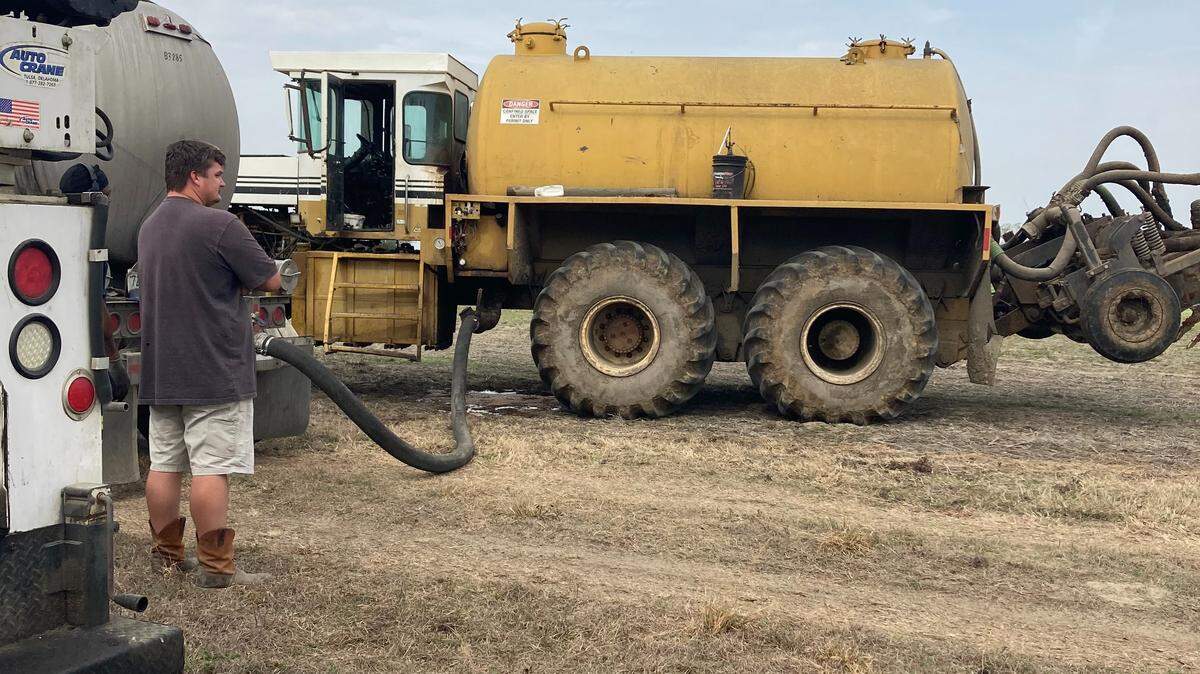
A South Carolina farmer who learned years after fertilizing his fields with industrial sludge that the material contained toxic chemicals says the practice is still occurring in his community – and that’s a potential hazard.
In comments this past week during a roundtable meeting for congressional staff members, Robbie O’Neal said he worries that the continued use of sludge on farm fields will cause problems like the ones that hurt his family.
O’Neal’s family, farmers for generations in Darlington County, found their well water was contaminated with toxic forever chemicals after family members used sludge from a nearby industrial plant as fertilizer in the 1990s.
State and federal officials certified the sludge as a safe and effective way to fertilize farm fields, only later to learn that it contained forever chemicals.. Several O’Neal family members died years after drinking from wells that were eventually found to be contaminated. Others in the community also complained of health problems. The old Galey and Lord industrial plant that supplied the sludge is now a Superfund site, a priority for a federal cleanup.
“When we find out if this stuff is poison, we need to quit spreading it,’’ said O’Neal, who sat on a panel of farmers, environmentalists and farm organization officials in Washington,D.C., to discuss forever chemicals and agriculture. “They’re still spreading it in my state.’’
The sludge O’Neal referred to is not the Galey and Lord textile plant waste offered free to his family in the 1990s.
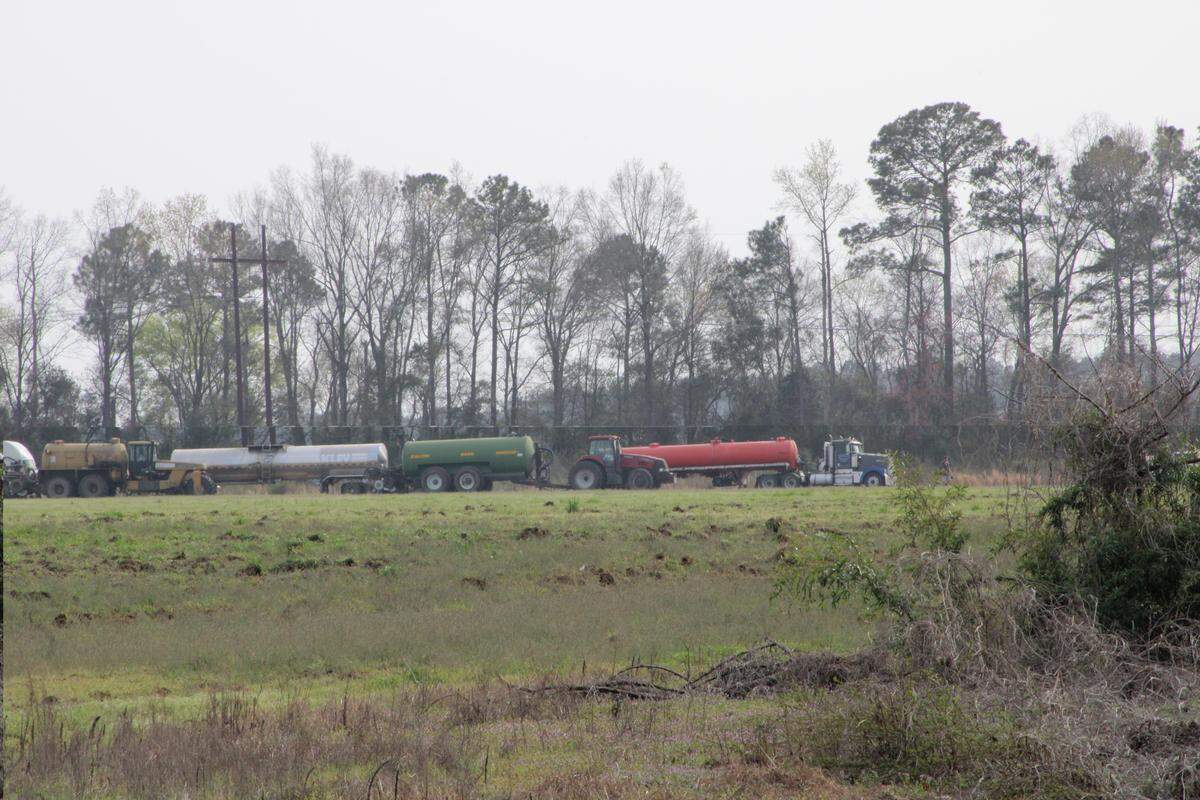
Much of it is coming from the poultry industry, according to research conducted by consultants for a Chesterfield County landowner. Considered by some as a good source of nutrients to fertilize crops, the sludgelike material is often sprayed on farm fields from tanker trucks, creating a powerful odor that sometimes is noticed by neighbors.
In a Facebook post following his trip to Washington, O’Neal said government leaders need to wake up. He calls the poultry sludge “chicken water.’’
“Our local leaders act as if nothing is wrong with spreading it,’’ his post said. “They say ‘it’s all right. It’s just chicken blood, nothing to see here.’ ‘’
Forever chemicals, formally known as PFAS, make up a class of compounds that have been used for decades in many household products because they do not break down easily. But while they are good at repelling water from rain coats or coating non-stick frying pans, the public has in recent years learned that multiple forms of PFAS are toxic. Forever chemicals can cause certain types of cancer, thyroid problems and immune system deficiencies for those exposed over time.
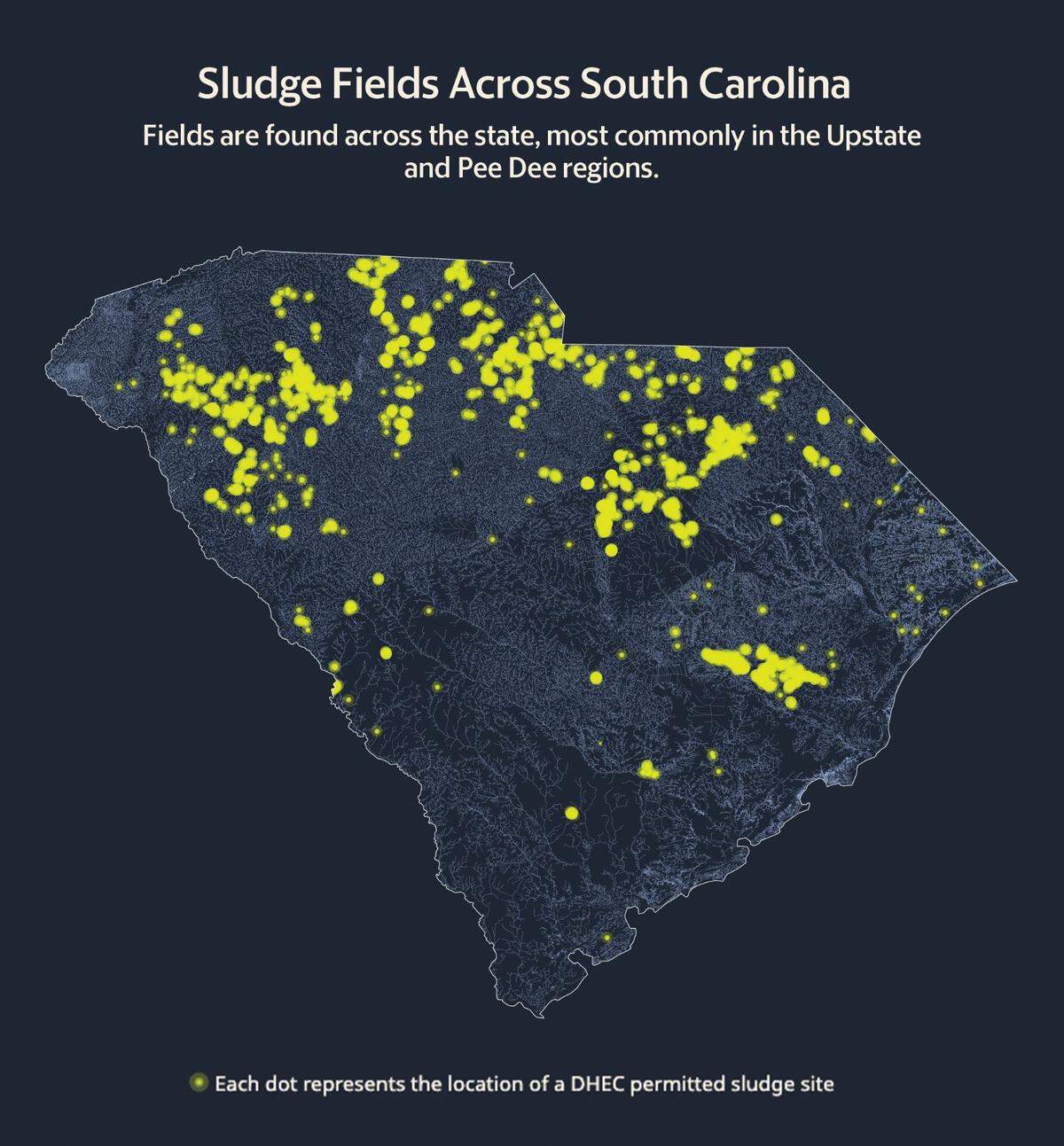
Journalists from The State newspaper and its parent company, McClatchy, chronicled the issue of PFAS in sewer sludge in a 2023 series of investigative stories. Among the findings: State regulators have approved at least 80,000 acres of agricultural land across South Carolina for sludge application. That amounts to about 3,500 farm fields, the news organizations found. O’Neal told The State, at the time, that forever chemicals from sludge his family applied as fertilizer had leaked into groundwater and poisoned the O’Neal clan.

Sludge comes from a variety of sources, including municipal wastewater plants and industries, as well as waste from poultry slaughterhouses.
There is some evidence that PFAS can be found in chicken processing plant sludge. But Dave Hargett, a consultant who is looking into the issue of sludge fertilizer on farms, said nobody knows for sure if forever chemicals or other toxic compounds are in the material still being applied to farm fields in eastern South Carolina.
State regulators, who say they are aware of national studies tying forever chemicals with poultry plant sludge, continue to permit the sludge spreading. State officials have not looked comprehensively enough for some of the toxic materials that may show up in sludge when they test creeks and rivers for pollution, Hargett said
“We are putting out industrial waste – that’s what this is, it’s coming from the ag industry – and we do not scrutinize what is in it, ‘’ he said.
Hargett’s research, on behalf of landowner Brad Turley, has found that a majority of the waste material being applied on farms in the northern Pee Dee region of eastern South Carolina is being imported from other states, primarily North Carolina.
Laura Renwick, a spokeswoman for the S.C. Department of Environmental Services, told The State last week that her agency asks those seeking permits to put sludge on the ground to answer questions about forever chemicals in the waste material. The department also is testing 40 sites on rivers, streams and lakes for forever chemicals, she said in email Friday.
The state, however, does not put limits on the amount of forever chemicals allowed in sludge applied to agricultural fields, even though it has some limits on heavy metals and nutrients. The state abandoned a plan to add forever chemical limits after a series of meetings with farmers and environmentalists several years ago.
Renwick did not say Friday how many of those seeking permits have revealed the presence of forever chemicals in the sludge they intend to spread on the land. But her email said South Carolina is “working collaboratively with industries and farmers to explore strategies to minimize impacts.’’
The S.C. Department of Agriculture said sludge, also known as biosolids, “can be a valuable tool for farmers in some cases.’’ But the department is aware of issues involving forever chemicals and is working with the Department of Environmental Services and others about PFAS.
O’Neal, during Wednesday’s discussion in Washington, said he worries that sludge from the past, or from today’s spreading, could one day affect people’s health. He grows crops and cattle “to feed people. We’re not in it to make them sick.’’
“We can’t change what’s happened in the past, but we can change the future,’’ O’Neal said.
O’Neal and others were in Washington this past week to help shed light on the problems farmers face with forever chemicals. Maine farmer Jim Buckle said he did not spread sludge on his crop fields, but his water is suspected to have been polluted from a sludge operation not far away.
The American Farmland Trust, which helped organize the session and brought O’Neal to Washington, is pushing federal agencies and Congress to help farmers hurt by forever chemical pollution.
The state of Maine has a program that pays farmers who are trying to get back on their feet after forever chemicals deal them financial setbacks. But the trust says more needs to be done across the country. South Carolina, for instance, does not have a program like the one in Maine.
Rep. Chellie Pingree, D-Maine, has pushed a federal bill to help farmers, but it has not been approved by Congress. In addition to the staff roundtable meetings, O’Neal told his story to Pingree and Rep. Russell Fry, R-S.C., during individual sessions.
Pingree has been at the forefront of seeking help for farmers whose land and water have been polluted with forever chemicals.
O’Neal, who lives in the Darlington-Society Hill area of South Carolina, also met individually with staff from Republican Sens. Lindsey Graham and Tim Scott of South Carolina in an effort to spread the word about forever chemicals.
This story has been updated . An earlier version misspelled the name of farmer Jim Buckle of Maine.
This story was originally published January 24, 2026 at 6:30 AM.