Thousands of acres protected by SC Conservation Bank. Now, its director is leaving
The state Conservation Bank’s director is leaving the agency after seven years of land protection victories that are considered some of the most significant in recent state history.
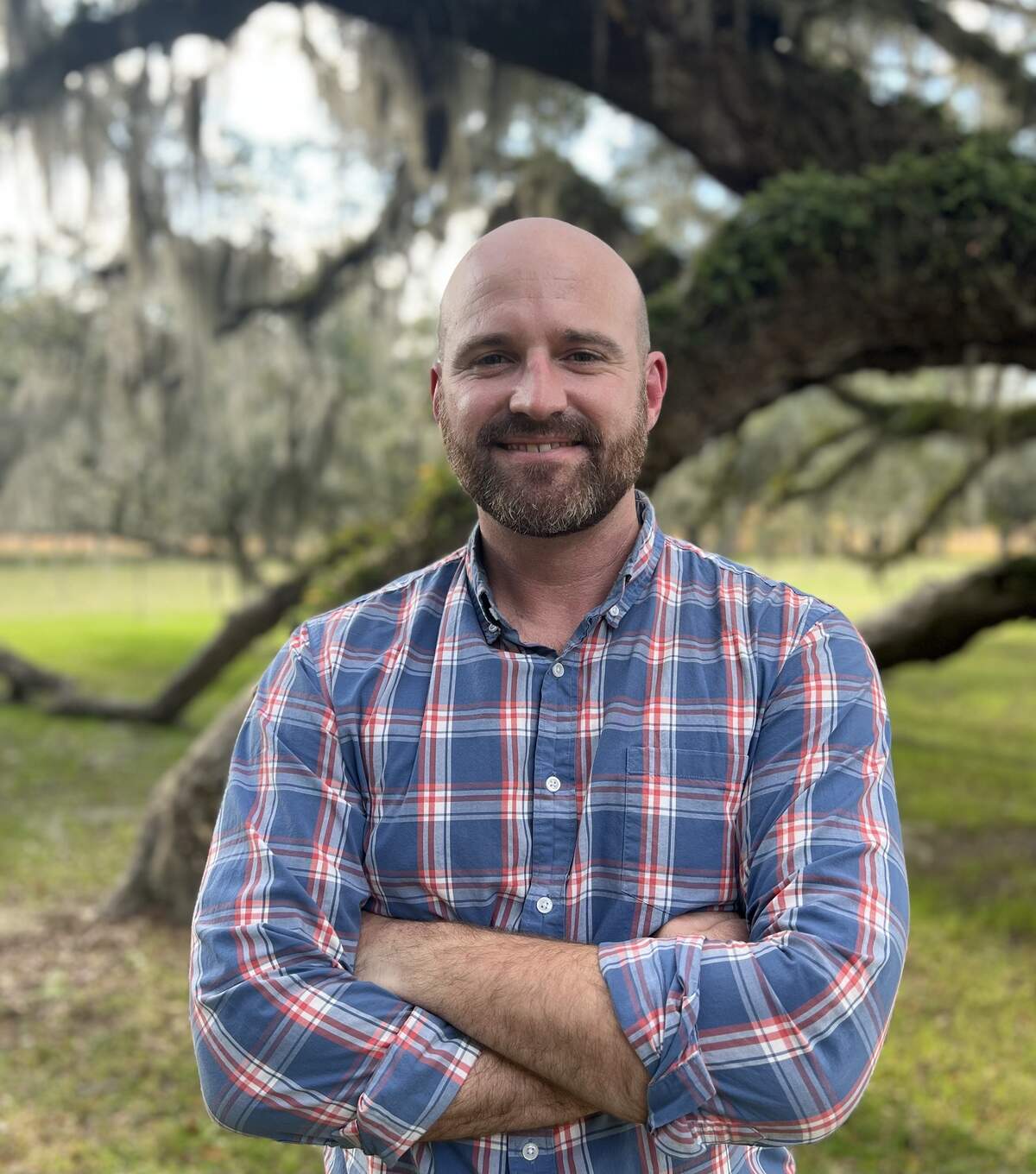
Raleigh West, 43, announced his resignation Friday as the bank’s director, effective at the end of June. He’s starting a consulting firm to advise landowners interested in protecting their property.
In an interview with The State, West said the Conservation Bank is now “in a really good place.
“We’ve got great staff and a great board,’’ he said, noting that after a period of turmoil before he arrived, “we’ve got the confidence back of the General Assembly.’’
The Conservation Bank, formed in 2002, focuses on protecting wild South Carolina land that is threatened by development. It sometimes buys land for state ownership. Other times it pays property owners not to develop their property. Many times, it shares costs with other conservation agencies and non-profit environmental groups to protect land.
Efforts by the bank to protect land are considered important to many people because South Carolina is growing so rapidly and sprawling into the countryside.
Under West’s leadership, the Conservation Bank has helped score a number of high profile successes, including the more than 1,000-acre Saluda Bluffs mountain property along S.C. 11 near Pickens; part of Waties Island, the Myrtle Beach area’s only unspoiled barrier island; and land in Cayce to expand the Congaree Creek Heritage Preserve.
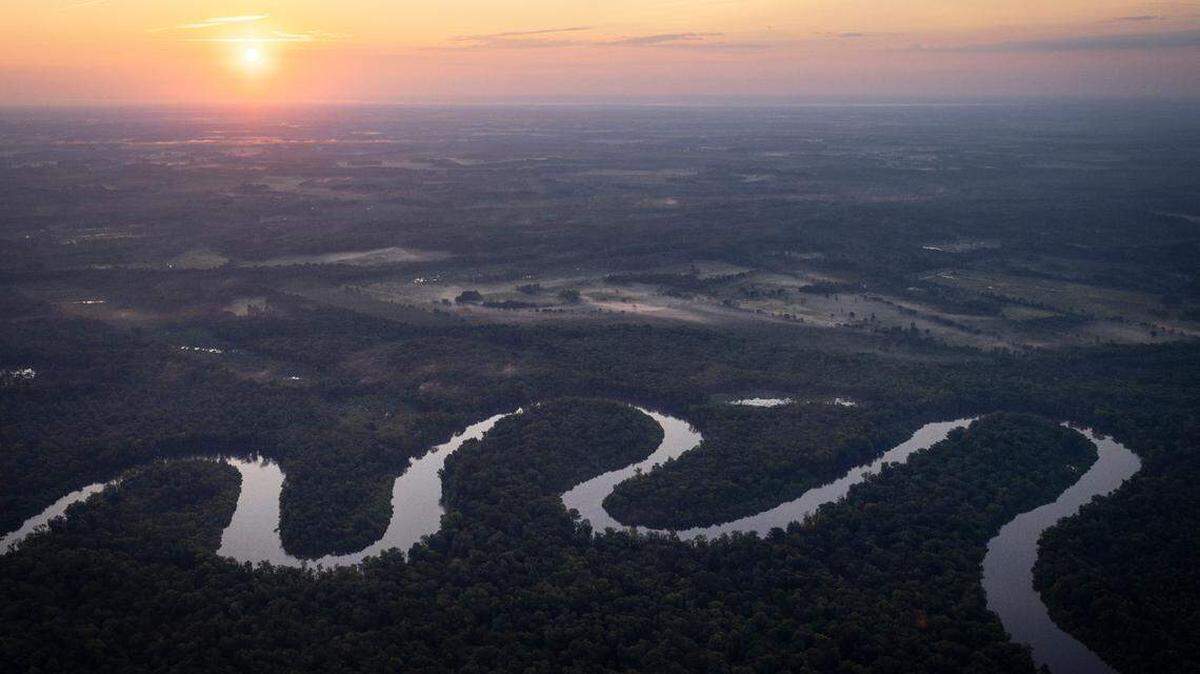
The bank also helped with protection of more than 60,000 acres in eastern South Carolina, a preservation effort that included the Open Space Institute, the state Forestry Commission and others. The effort is considered one of the largest of its kind in state history. The bank chipped in about $3 million.
Overall, the Conservation Bank has protected nearly 450,000 acres at under $930 per acre, according to a news release from the bank.
“In Raleigh, we were blessed with a leader who proactively set the bank on a path for success,” state Sen. Chip Campsen, one of the bank’s biggest boosters, said in the release. “As director, he was relentless in his desire to protect places that are special to so many South Carolinians.”
West, who makes about $145,000 annually as bank director, became agency chief seven years ago at a time when the agency was reeling. He previously had worked with the Lord Berkeley Conservation Trust in the Lowcountry.
In 2017, the Legislative Audit Council ripped the state-funded bank for acquiring land that wasn’t always in jeopardy of development, including a private duck-hunting preserve. In some instances, the bank was paying affluent hunting clubs an average of $250,000 more than other property owners to protect land, the audit said. The audit also criticized the agency for often protecting land with no public access.
At about the same time, the bank was criticized by legislators for failing to transfer $3 million to the state Department of Natural Resources, as was required in the state budget. The money was eventually provided to the DNR, but it left a bad taste that sparked legislative efforts to change or close the bank.
Now, the Legislature has become more favorable to land protection and Gov. Henry McMaster is pushing to protect millions of acres in coming years.
This story has been updated to note the protection of Saluda Bluffs.
This story was originally published February 28, 2026 at 6:00 AM.