Polluting industries in SC could face the wrath of cities, counties
Recent chemical spills in York County have drawn attention from state legislators who are pushing a bill to allow increased oversight of polluting industries by local zoning authorities.
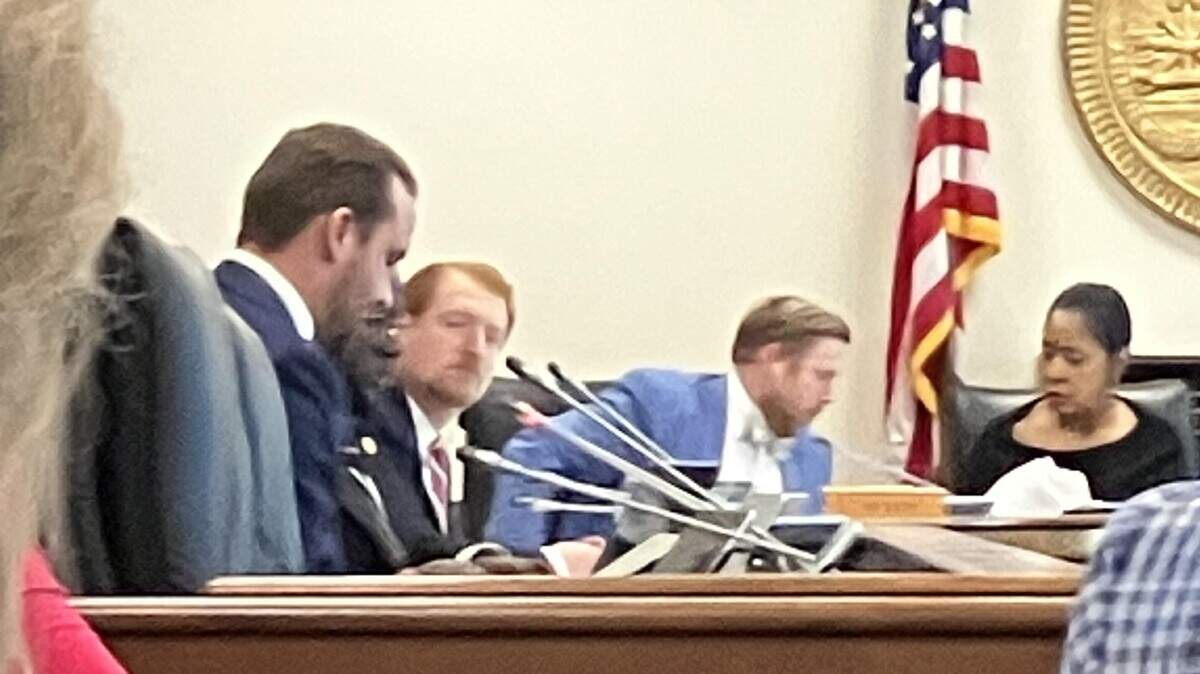
At a hearing Thursday, lawmakers said South Carolina needs to do more to keep spills from happening that endanger the public. The bill gives municipal zoning officials authority to shut down polluting businesses found to be in violation of local zoning laws.
Efforts to pass legislation follow releases by a solar panel manufacturer of an acid solution this week that caused the temporary closure of a school in Fort Mill, just south of Charlotte.
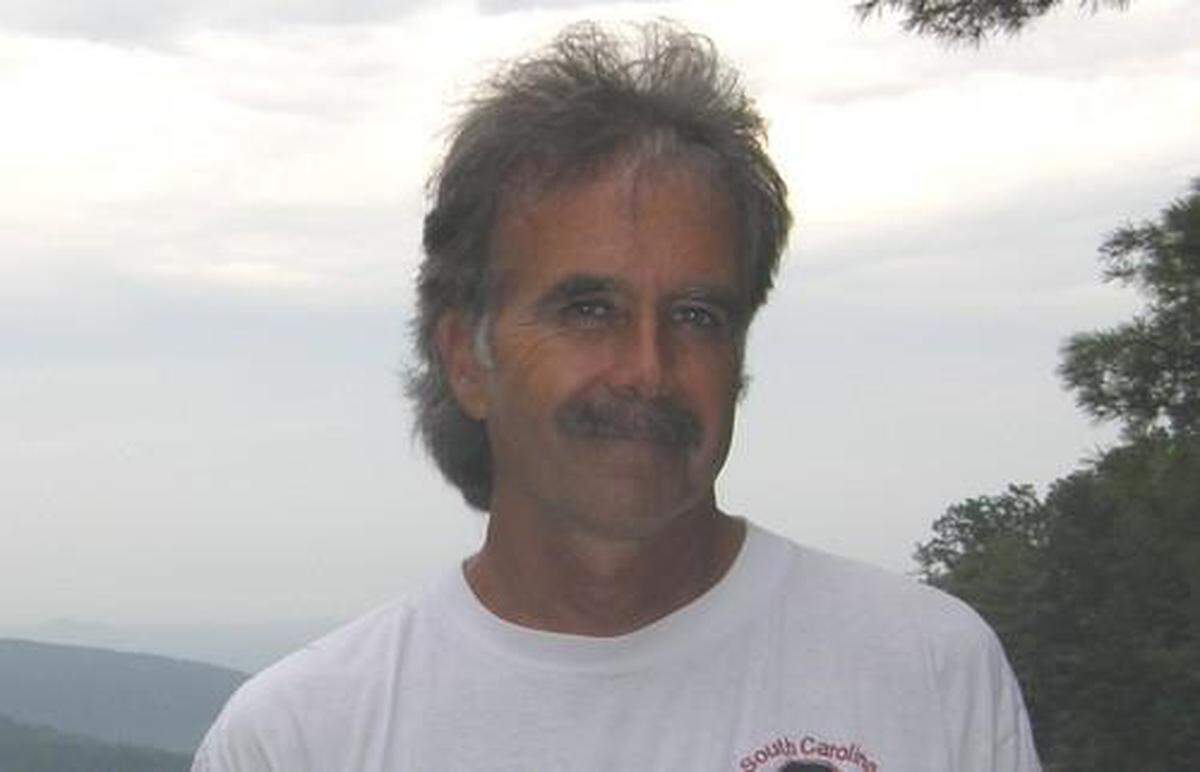
Rep. David Martin, R-York, introduced a bill last year that he says will better protect people near industries that cause problems. But it didn’t go anywhere. Thursday’s hearing was an effort to get the legislation moving.
“This bill allows counties and municipalities to issue an immediate stop operation or occupancy order when there are credible zoning violations or safety conflicts,’’ Martin said during Thursday’s session before a House committee. “It creates a structured process that allows local governments to pause operations until compliance can be verified.’’
The impetus for the bill is a solar panel manufacturer with a recent history of troubles. The Silfab company had two spills this week and was temporarily shut down Thursday by the state Department of Environmental Services. The company has been a source of local concern before this week.
But while the state environmental agency can shutter businesses that don’t comply with rules, that rarely happens. In this case, local governments would have their own tools to ensure safety, supporters said.
Matt Vilardebo, a Fort Mill resident who attended Thursday’s hearing in Columbia, urged the committee to pass the legislation that he said would protect his community. The bill, however, should do more than address a local matter, he said.
“I’d like to see legislation in place to protect the entire state of South Carolina,’’ Vilardebo said, noting that chemical spills “should never happen anywhere. I would certainly recommend moving this legislation along.’’
Rep. Joseph Bustos, R-Charleston, said the bill focuses on companies that mislead the government. It would allow governments to say “you changed your project without us knowing about it, so we’re stopping you.’’
Bustos said the bill might help address issues like pollution from contaminated sewer sludge that has been applied to farm fields in eastern South Carolina. He has introduced separate legislation to crack down on the use of contaminated sludge on agricultural land.
The subcommittee did not vote on the bill Thursday after several questions were raised about the effects. No one spoke against the measure.
Rep. Josiah Magnuson, R-Spartanburg, asked whether the bill would give a single local official the authority to shut down a business.
“It feels like this is empowering local governments to potentially stop construction projects in their tracks,’’ he said, although he said he generally likes the concept of the bill.