Concerns about crop safety prompt SC lawmaker to seek limit on sludge fertilizer
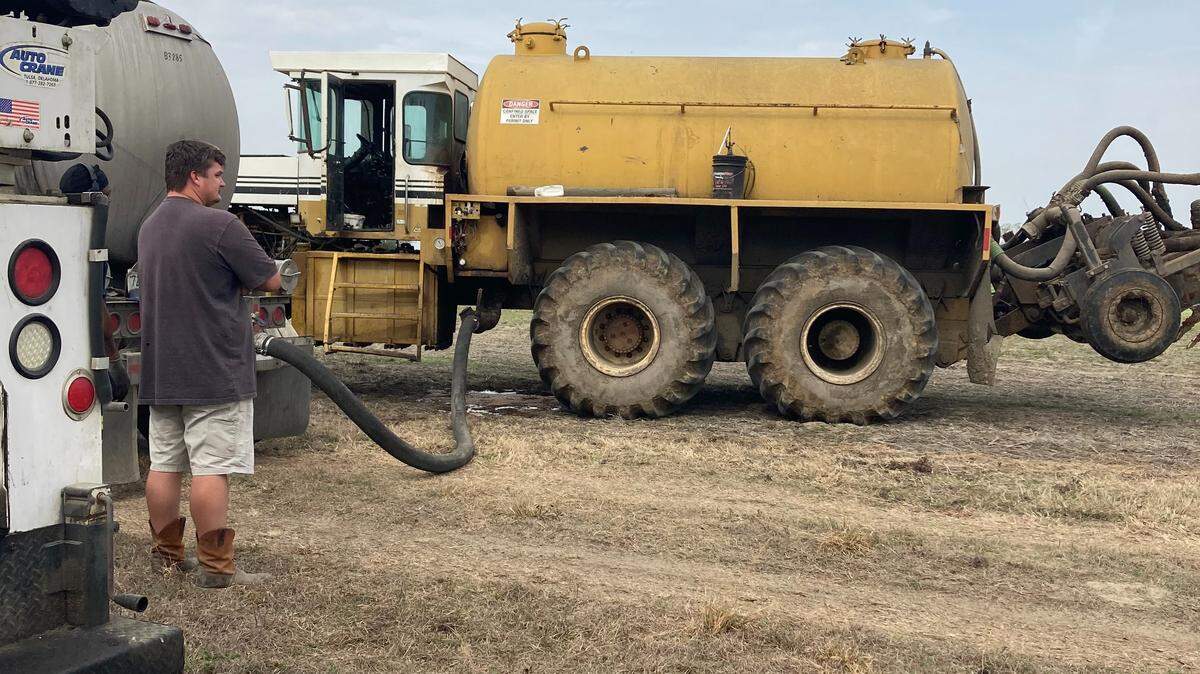
A state representative who is worried that contaminated sewer sludge is being spread on farm fields says he’ll seek limits on the practice of using the goopy material as fertilizer, if not an outright ban.
Rep. Joseph Bustos, R-Charleston, said he plans to file legislation, as early as next month. It’s time to do something about forever chemicals that are affecting South Carolina farmland, creeks, rivers and drinking water, he said. Waste sludge is among the suspected sources of forever chemical pollution in water and soil.
Despite more than five years of environmental groups seeking tighter controls on forever chemicals — including limits on sludge application — the state Legislature and South Carolina’s environmental agency have taken few steps to deal with the industrial compounds, which can cause cancer and other health problems.
“I’m going to kick this off, and I’m sure I’m going to get a lot of resistance, but once people are aware and educated, it may force the Legislature to find a solution,’’ Bustos said. He said he spoke with some farmers and utility officials about the use of sewer sludge on crops before he decided to take action.
Farmers “spread it all over their fields, then it gets into livestock, it gets into their crops, and then we eat the crops so it gets into us,’’ Bustos said, noting that “maybe the state should ban sludge from being used on farm fields and see if we can at least start something going where people aren’t consuming this stuff.’’
The link between sludge tainted with forever chemicals and crops grown for food remains under scrutiny by scientists and government regulators. Not all sludge is known to be contaminated. But some research has shown that leafy vegetables and hay are more prone to take up forever chemicals from the soil and water than plants like corn. Cows milk in some states has been found to contain the chemicals.
In addition to questions about crops being affected, forever chemicals have been found in private drinking water wells near sludge fields in some areas.
Forever chemicals are a class of compounds once used widely by industry because of their durability. Among other things, the chemicals were used in stain-resistant carpets, water-proof windbreakers and as key ingredients in firefighting foam.
But for decades, manufacturers of the chemicals, formally known as PFAS, didnt’ disclose the hidden hazards of the material. Only in recent years has the public begun to learn about the dangers of forever chemicals. They can cause certain types of cancer, thyroid problems and immune system deficiencies in people exposed over time, often through drinking water containing PFAS.
Sludge is a general term for the watery, semi-solid material left in wastewater systems that must be disposed of. PFAS can be sent to landfills or incinerated, but it is often cheaper to spread the material on land.
Unlike South Carolina, some states have enacted controls on the use of sludge to enrich soil for crops because of concerns about PFAS in the waste. Maine has an outright ban, while Michigan requires testing of sludge before it can be put on the land.
The state of South Carolina chose not to put limits on the use of sewer sludge after a committee discussed it several years ago. Some farmers, wastewater utilities and sludge brokers complained about potential restrictions.
South Carolina also has failed to adopt limits on the amount of forever chemicals in drinking water and in soil, as well as other measures, leaving the federal government to address those issues. The S.C. Department of Environmental Services says it “encourages entities that apply sludge’’ to monitor for its presence. But Congress and federal agencies haven’t done enough, critics say, and a planned federal limit on some forever chemicals in drinking water has been delayed by the Trump Administration.
Because the state bill has not been written, Bustos said it could be either a total ban or limits on the use of sludge that has forever chemicals in it.
State Sen. Russell Ott, a farmer and Democrat from Calhoun County, said farmers would not knowingly put material on land that could taint crops. Sludge is often offered to farmers by companies that acquire the material from wastewater systems. But it’s worth finding out more about the possible hazards, Ott said.
Using sludge as fertilizer was once touted as a way to get rid of waste, while enriching crops with nutrients at little cost to farmers. In recent years, it has been discovered that sludge often contains contaminants that are not regulated, such as forever chemicals.
“ I don’t know how much of it is actually being used right now in South Carolina, but I would be interested to know more,’’ said Ott, whose father is Harry Ott, who heads the S.C. Farm Bureau. “Based off everything that we’ve learned, yeah, I think everybody needs to be cognizant of it and concerned about it and try to make sure we get to the bottom of it.’’
Forever chemical pollution found in rivers, on farms and in drinking water is suspected of coming from municipal wastewater plants and industries that discharge without PFAS limits, as well as from military bases that have used a firefighting foam that contained the material.
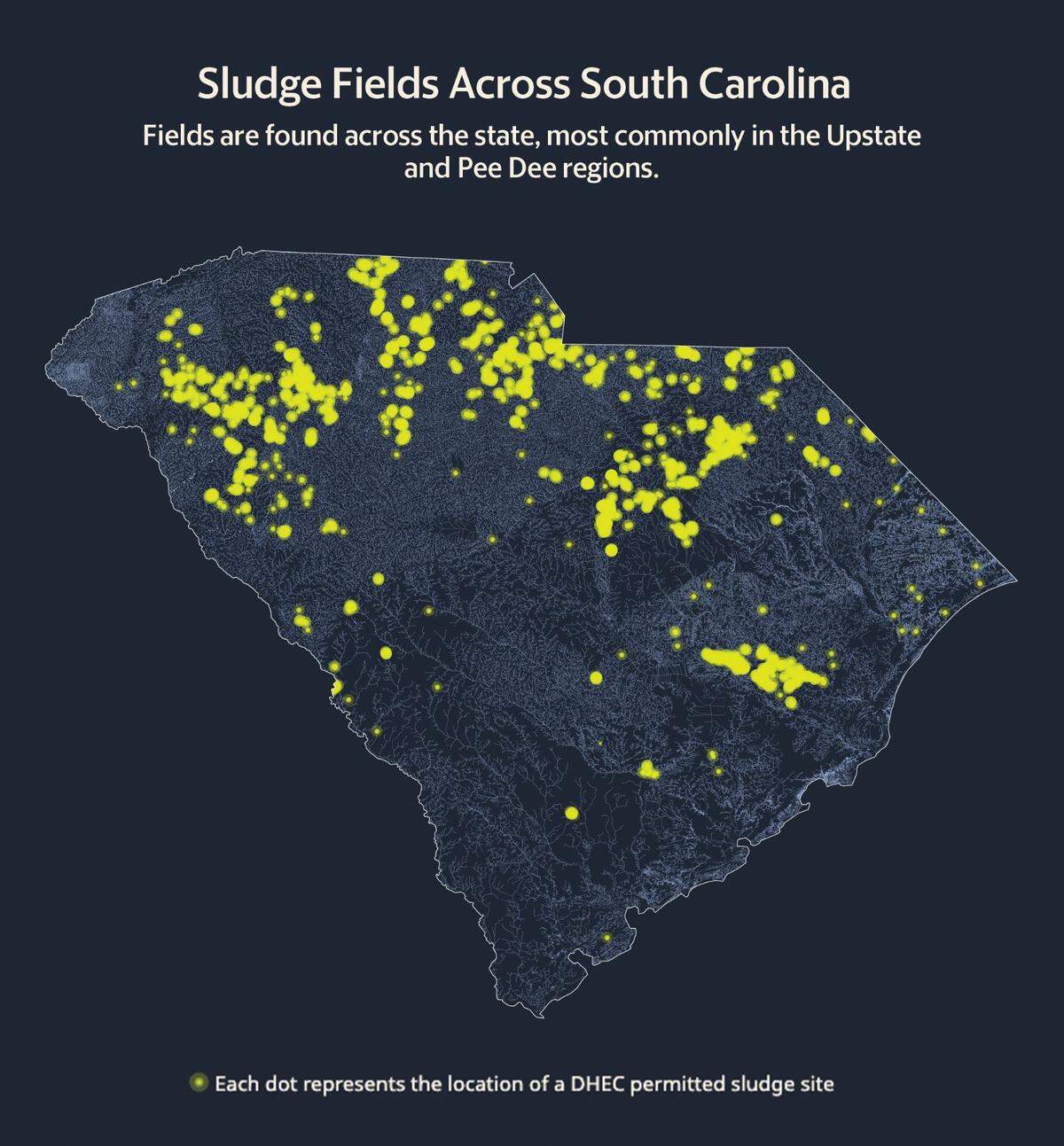
In a 2023 investigative series, The State and McClatchy newspapers found state regulators had approved some 80,000 acres of agricultural land for applications of sludge. That included about 3,500 agricultural fields, the news organizations found. The news outlets found many sludge fields were near rivers and drinking water systems with elevated PFAS levels.
The area where the most is known about sludge on farm fields lies just over an hour’s drive east of Columbia in Darlington County.
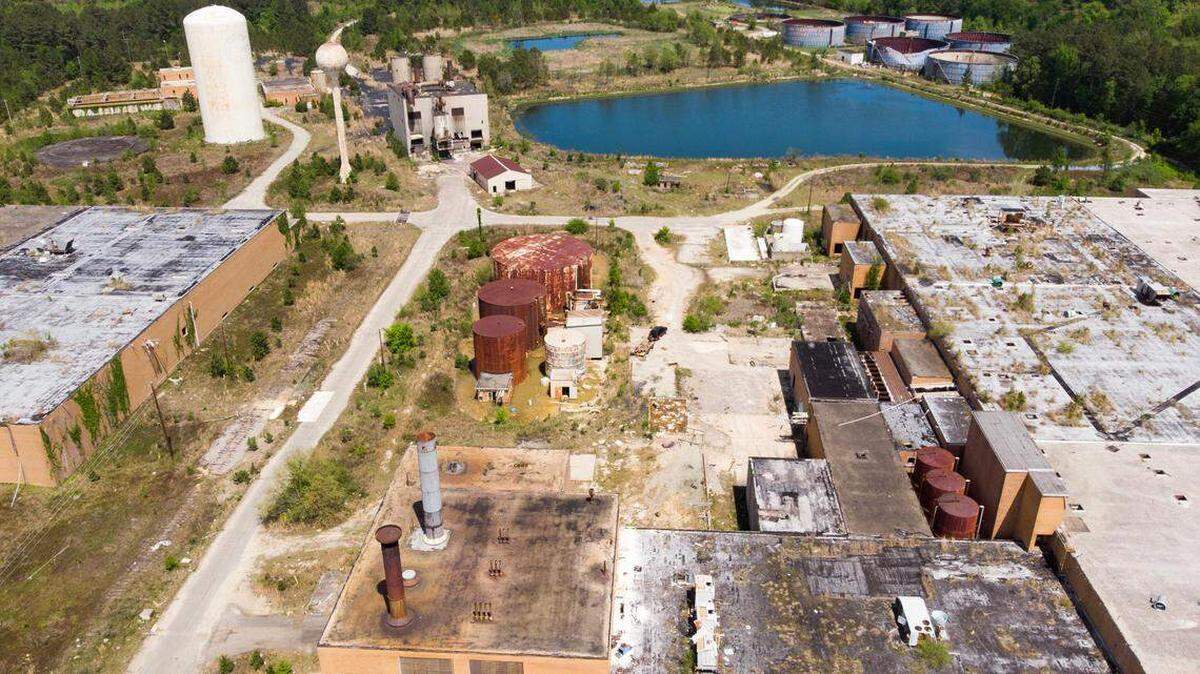
There, a textile plant persuaded farmers to use its waste sludge as a fertilizer — with the blessings of state regulators — in the 1990s. But the material later was found to be polluted with forever chemicals like those produced in textile plant waste.
Sludge from the now abandoned Galey and Lord textile plant is no longer used in the area. The plant has been designated a federal Superfund site, eligible for a taxpayer funded cleanup because of the hazard.
But other types of sludge continues to be applied to farm fields in eastern South Carolina. Some of that waste comes from chicken processing plants and similar facilities in North Carolina, records show. The issue received national attention recently when a Darlington County farmer spoke to House members and congressional staff members about the spreading of chicken plant waste in his community.
This story was originally published February 21, 2026 at 6:00 AM.