Looser environmental rules pave way for energy projects in South Carolina
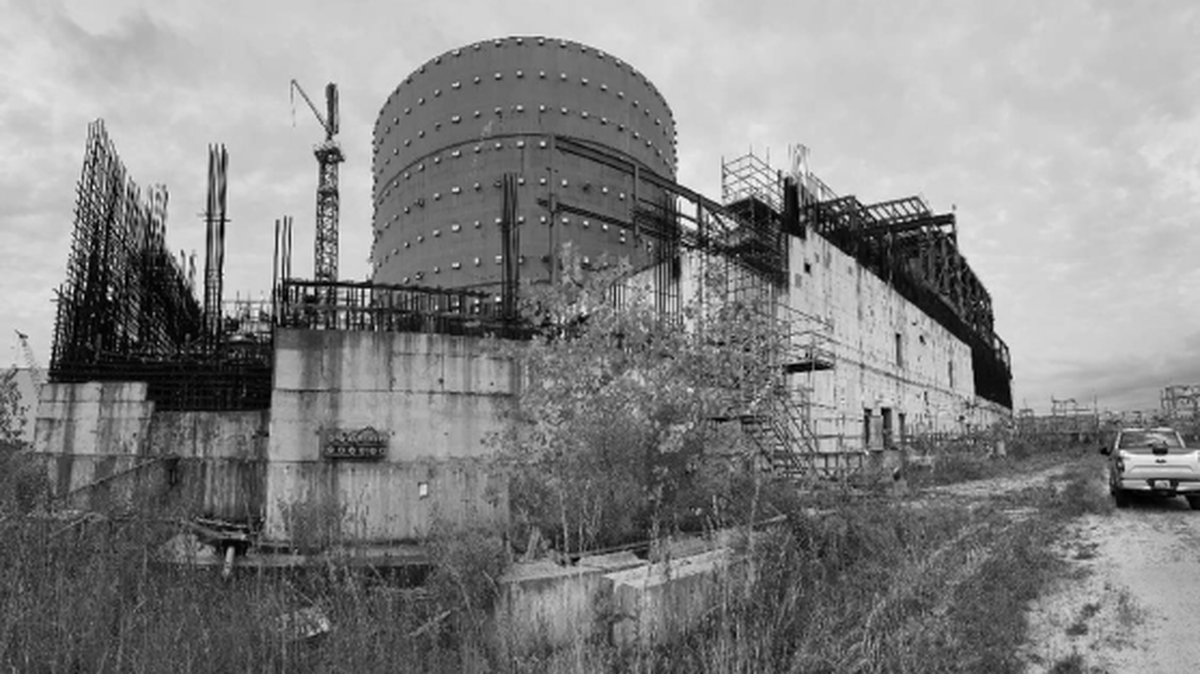
South Carolina has big plans to jump start the failed V.C. Summer nuclear project, build two natural gas plants, expand an atomic fuel factory and extend miles of new natural gas pipelines.
In the past, it could have taken years to gain approval for such projects. Now, an array of rules changes that could speed up those projects are taking hold or are soon to be approved – and leaders are glad.
Since the Legislature passed the Energy Security Act in 2025, the state has issued 66 of 79 permits within six months for energy projects, said Myra Reece, director of the S.C. Department of Environmental Services. A key part of the sweeping law is a requirement that energy project permits be decided within six months, with some exceptions.
At the same time, changes in federal oversight of nuclear projects are helping plans to expand the Westinghouse atomic fuel factory on Bluff Road in Columbia, company officials said. The plant, established in 1969, is one of the few places in the country that makes nuclear fuel for the nation’s atomic energy plants.
Critics are concerned that, in the rush to get new energy projects approved, the state and federal governments are abandoning rules that have helped protect the environment and public health from pollution and nuclear accidents. Those concerns played out last year as the Legislature debated, and finally approved, the Energy Security Act.
State and federal officials said they still are committed to environmental protection. But Reece, whose department is the primary environmental permitting agency in South Carolina, said Environmental Services also wants to make sure permit decisions occur in a timely manner.
“Our goal is to get it out the door at six months after the date the application is received,’’ Reece told a state nuclear advisory panel this past week. She noted that her agency is also looking for other ways to streamline the process.
“We are excited to be part of the future opportunities we have in South Carolina from an economic standpoint (for) energy,’’ she said.
Reece did not elaborate on which projects have been approved within the six months permit deadline, but among the biggest proposals on the drawing board is turning the site of an old coal plant into a modern natural gas facility in the Canadys community of Colleton County. A new natural gas plant also is planned for the Starr area of Anderson County. Pipelines would have to be installed to serve the plants.
Meanwhile, state officials are moving aggressively to revive the failed V.C. Summer nuclear project north of Columbia to provide more energy. Boosters of the project say changing rules could could help ensure it gets started quicker
Power companies SCE&G and Santee Cooper walked away from the V.C. Summer project in 2017, giving up the nuclear license after a series of delays and cost overruns made the effort too difficult to continue. Some $9 billion was spent, in part from higher customer rates, to pay for what became a failed project. Customers are still being billed in what many consider the greatest construction project failure in state history.
Since that time, state leaders have launched a new effort to finish two partially built reactors to complement the existing reactor at V.C. Summer. The state-owned Santee Cooper power company has brought in Brookfield Asset Management in the effort to finish the project. The effort to restart the project is being driven by expected demand for energy, particularly from data centers that use enormous amounts of power.
Tom Clements, a longtime nuclear weapons and atomic energy critic, said state and federal efforts to loosen regulations have him worried. The U.S. Nuclear Regulatory Commission’s rules are not changing for the better, he said.
“The weakening of current NRC licensing regulations is potentially going to cause more safety concerns,’’ Clements said. “They are cutting corners to try to make licensing easier. But what they also are doing is lowering the safety and security standards that are now in place.’’
Many people say gaining licenses for big energy projects is time-consuming, but the rules are in place for good reasons. It can sometimes take years, for instance, to get a nuclear operating license. But moving too fast to grant approval sometimes doesn’t leave state or federal regulators enough time to fully assess the environmental impacts, critics say.
While Reece said many state permits are being decided within the six months time frame established by the S.C. Legislature, changes in federal rules are also making a difference, the Governor’s Nuclear Advisor Council was told Monday, April 13.
The Nuclear Regulatory Commission has either changed, or has proposed to change, oversight rules that energy expansion supporters have said are often an impediment to progress and not necessary.
Among the changes are rules to streamline the nuclear permitting process by setting timelines for projects “and reducing barriers,’’ said U.S. Nuclear Regulatory Commission member David Wright, a South Carolina resident from the Columbia area, who spoke at the Governor’s Nuclear Advisory Council meeting.
Wright told the council that some of the effort was mandated by a July 2024 federal law, known as the Advance Act. The law directed the NRC to modernize and streamline licensing, particularly for advanced nuclear reactors, by setting “clear review timelines, reducing barriers and fostering innovation.’’
Then in May 2025, President Donald Trump issued an executive order that challenged the NRC to revise regulations, set firm deadlines for applications and get rid of “outdated requirements,’’ Wright said.
“We are all meeting the moment head on with a sense of urgency,’’ Wright said. He said the agency has a new mission statement to enable the deployment of nuclear projects.
The Trump administration, which is pushing for more atomic power, has called for the NRC to make permit decisions within 18 months. In the past, the average time to process permits for new nuclear projects was closer to 36 months, an NRC spokesman said. Many rules changes called for by the president are expected to be finalized by year’s end.
Another regulatory change could also make it easier to build nuclear power projects on Department of Energy property.
The proposal, announced April 6 by the NRC, would streamline reviews for some new commercial reactor designs if the designs already have been authorized by the Energy Department.
The change could make it easier to erect mini nuclear reactors or full-scale reactors at Energy Department property, such as the Savannah River Site nuclear weapons complex. Discussions are underway about building small nuclear reactors at SRS.
During the Governor’s Nuclear Advisory Council meeting, Westinghouse executive Elise Malek said new rules are helping with the plant expansion at the fuel factory near Columbia. She did not explain how specific rules changes have helped.
“Regulatory changes have been a great’’ improvement, she said. “We’ve been benefitting from these already. So thank you all. The executive order, the Advance Act and the S.C. energy act helped us progress our permitting.’’
The plant expansion is part of an effort to produce a type of low enriched uranium fuel. Plant expansion is necessary for the work, the company says.
Westinghouse, in a later statement, said changes in regulations for nuclear projects are “focused on improving efficiency in licensing and permitting by encouraging early coordination and predictability in review times. While this is helpful in business planning, these updates have not altered our safety or environmental standards.’’
Westinghouse has run into trouble in the past following state and federal rules.
Since 1980, more than 40 environmental and safety problems have been tied to the fuel plant near Columbia, The State reported in 2022.
Problems that have occurred in recent years include a leak of nuclear material through the floor of the plant, a malfunctioning pollution control device that threatened worker safety, and the discovery of groundwater contamination the NRC did not previously know about.
The NRC investigated and pushed the company to improve. The company today is in touch with the Department of Environmental Services about how to clean up the groundwater, or at least prevent it from moving off the property, which is a few miles from Congaree National Park.
This story was originally published April 17, 2026 at 7:00 AM.