Rising costs, environmental impact of SC nuclear bomb factory sparks rare tour
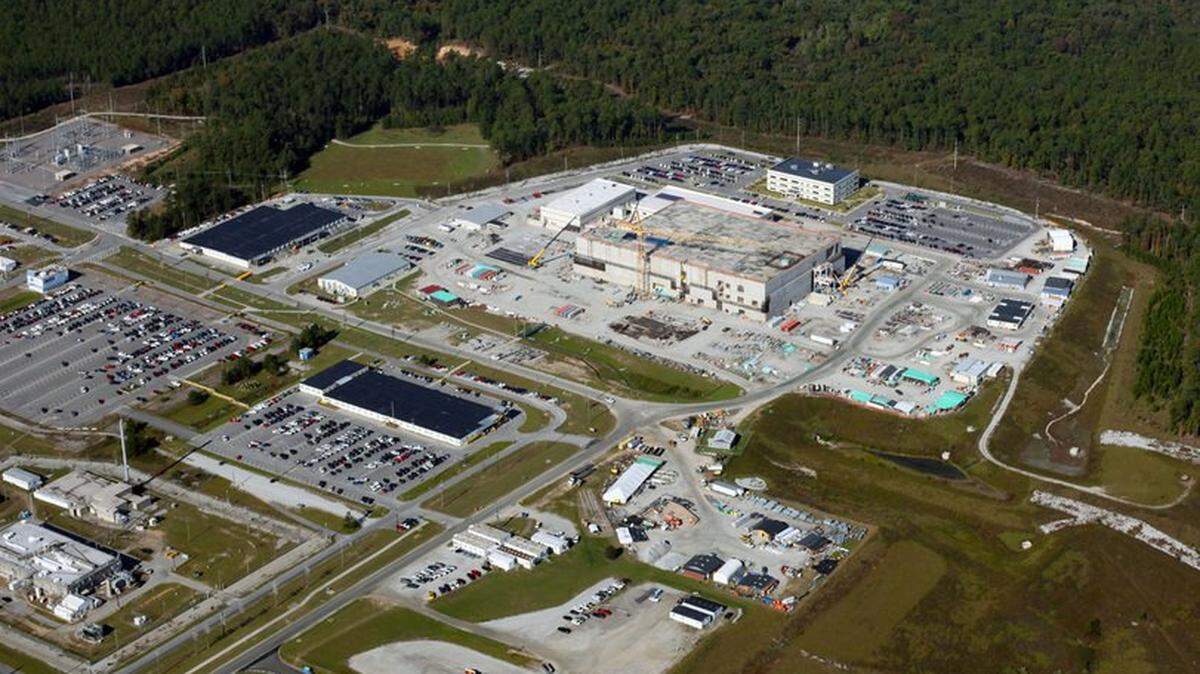
With questions lingering about the rising cost and need for a new atomic weapons plant in South Carolina, federal officials plan to meet next week with environmentalists who sued several years ago over the plant’s potential impacts on the landscape.
Officials with the Savannah River Site, a 310-square-mile nuclear weapons complex near Aiken, are to host a rare tour for environmentalists of the partially built plutonium pit plant Tuesday. They also are expected to answer questions about the project’s cost, future and pollution threat to the public.
The pit project is estimated to cost taxpayers anywhere from $25 billion to $30 billion as the federal government seeks to refresh and upgrade its stockpile of plutonium pits. The pit plant, which is under construction, was at one point projected to cost about $5 billion.
Plutonium pits are central ingredients in nuclear weapons, but they haven’t been produced on a large scale in the United States for defense purposes since 1989, when a facility in Colorado shut down. Federal officials say they need to replenish the aging stockpile of pits, while producing pits for new types of nuclear weapons.
All told, the federal plan is to turn a failed, partially built plutonium fuel plant at SRS into the plutonium pit plant, while upgrading facilities at a site in New Mexico.
The original plan was to produce 80 pits annually between the two sites, with 50 being made at SRS and 30 at the Los Alamos National Laboratory near Santa Fe, N.M. But that number has been revised to include a scenario in which SRS would produce 125 pits and Los Alamos would produce 80, bringing the total to 205 per year.
Ben Cunningham, an environmental lawyer who represents multiple groups critical of nuclear weapons, said the nation has thousands of plutonium pits and the government hasn’t proved that more are needed.
“Based on the analyses I’ve seen, those pits are going to be viable triggering devices for years to come,’’ Cunningham said. ‘’It’s not about whether or not we are not going to have any nuclear weapons. But we have a considerable arsenal that thankfully hasn’t been used for a long time.’’
Critics say the plan is also costly and a threat to the environment.
A recently released environmental study said developing the pit plants in South Carolina and New Mexico would expose transport crews and the general public to low levels of radiation, while carrying plutonium on the highway as part of the pit production program. Plutonium, in addition to its use in atomic weapons, is a cancer-causing nuclear product that can linger in the environment for thousands of years.
“The problem is the government is making these plutonium-based products, but that has waste generated as a result and they have to get rid of it,’’ said Cunningham, who is with the S.C. Environmental Law project, a non profit group that assists people and organizations that seek to protect the air, land and water.
Cunningham’s organization represents Savannah River Site Watch and environmental groups from New Mexico and California. The recently released report is called a programmatic environmental impact statement. It is more extensive than one done previously and is the result of a lawsuit settlement last year between environmentalists and the federal government. As part of the settlement, green groups are to be taken on a tour of the factory so they can determine if they think it is being built as proposed. The government rarely allows such tours.
Despite criticism, the pit plant has plenty of boosters. Many South Carolina leaders support the pit factory as the state moves aggressively to establish more nuclear facilities, ranging from the restart of a failed commercial reactor project north of Columbia to development of mini nuclear plants at SRS.
The plutonium pit plant at SRS would produce up to 2,840 direct jobs and up to 1,739 jobs related to the project, records show. Some 4,500 construction workers would be involved in the pit project.
Boosters say the plant will produce good jobs at SRS and help keep the country safe at a time of increasing world instability. Many federal leaders support the project and Congress +as moved to increase spending on the factory. The federal budget for fiscal year 2027 includes an 80 percent increase in funding for the project, according to the Union of Concerned Scientists
“We feel it’s important for our community and members of the public to understand the significance of the pit production mission, not only from a national security standpoint, but also focusing on the economic impact this new mission will have,” according to Citizens for Nuclear Technology Awareness, a support group to SRS.
That isn’t enough to satisfy others.
One concern critics of the project have is accidents that could occur while trucking material with plutonium from a site in Texas to SRS or Los Alamos, People exposed to plutonium can over time develop certain types of cancer.
Another concern in the environmental study is toxic waste generated by pit production, which must be dealt with. Low level nuclear waste, for instance, will be created and disposed of on the Savannah River Site, a facility that already is filled with polluted areas left over from the Cold War weapons production effort decades ago.
The programmatic environmental impact statement is a preliminary report that was released earlier this month. People have until late July to comment on whether it adequately addresses environmental concerns. A final environmental report and decision on the pit plant likely would not occur until next year, at the earliest.
Efforts to gain comment from the National Nuclear Security Administration were unsuccessful Friday.
But Tom Clements, who heads Savannah River Site Watch, said people should pay attention to what’s happening at SRS because making plutonium pits is not in the best interests of South Carolina or the nation. A recent performance evaluation report criticized those in charge of the project as not making enough progress.
“There’s so much of this that has not been in the public realm,’’ Clements said. “People really don’t know what’s going on, and this is one of the most important major facilities related to future nuclear weapons production.’’
This story was originally published April 18, 2026 at 9:17 AM.