Stench that woke neighbors is the subject of legal settlement in SC
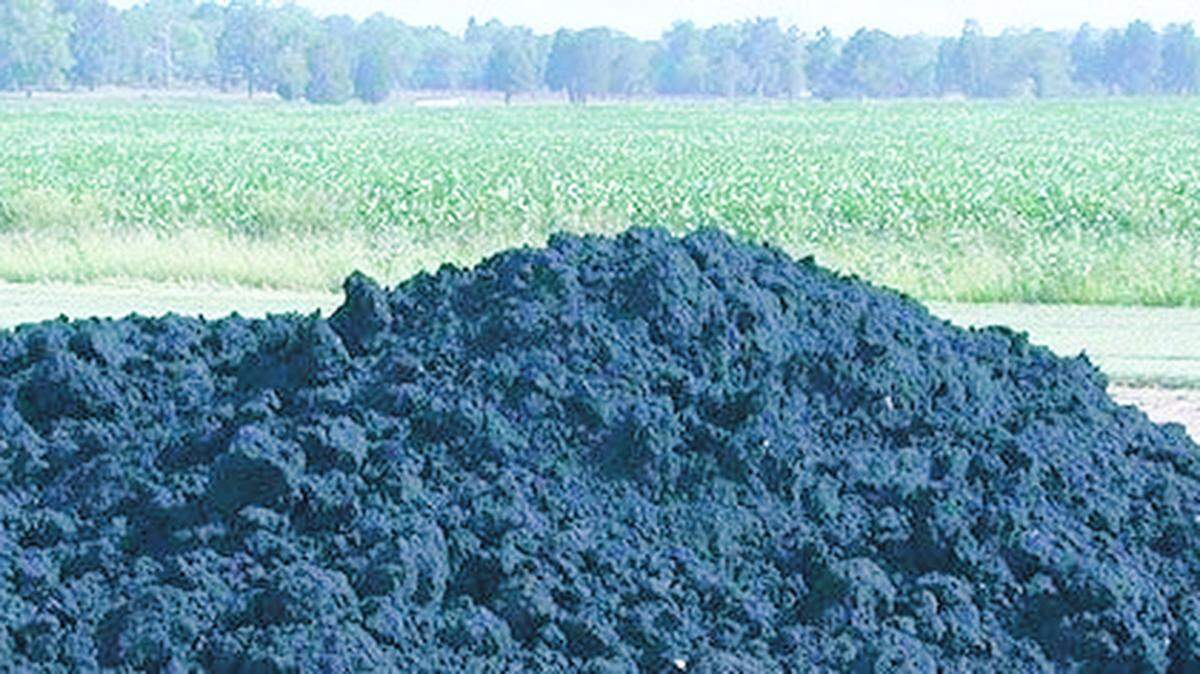
A few years after Travis Hughey moved his family into the country outside a small South Carolina town, he began to notice a stench drifting across his property.
The smell would sometimes seep inside his home, and wake the family up at night, he says. Other times, Hughey says it would float over his yard, making it difficult to enjoy a cookout.
“There were times when the odor was what I’d call debilitating,’’ he said. “You could not be outside working in it. I’m talking bad.’’
Now, after years of legal battles, lawyers have reached a settlement with the operators of a sewer sludge recycling center near Andrews that they hope will resolve the problems Hughey has complained about.
The S.C. Environmental Law Project, which had sued on behalf of the Coastal Conservation League, said the settlement will require Williamsburg Recycling LLC to monitor incoming loads of sludge as a way to control hydrogen sulfide. That odor, often associated with sewage, is a smell akin to rotten eggs.
The company also must pay $10,000 to restore the property one day, according to a law project news release issued Friday, May 22. And Williamsburg Recycling must pay to test drinking water wells near the site each year for the next three years for bacteria, metals and minerals, the release said.
Monica Whalen, an attorney with the law project, said she expects the deal will make a difference and resolve the issues that have generated the dispute. The group could have continued its lawsuit, but it would have no guarantee of victory. The settlement helps ensure oversight of Williamsburg Recycling, which has a state permit to operate, she said.
“This settlement delivers something the permit alone did not: real accountability to the people who live closest to this facility,” Whalen said in the news release. “Neighbors now have enforceable rights and a real seat at the table, not just the hope that a state agency will act on their behalf.”
Hughey, 66, and attorneys with the law project say South Carolina’s environmental protection department didn’t do enough to control odors and other issues, which forced them to file a lawsuit.
In a statement, Williamsburg Recycling officials said the settlement complements the company’s commitment to maintaining environmental standards. Sludge, or biosolids, brought to Williamsburg County is targeted to become compost for use on farmland.
“Williamsburg Recycling is pleased with the resolution reached with the Coastal Conservation League and remains firmly committed to the responsible operation of its composting facility in Andrews,’’ the statement from company spokeswoman Quinn Conway said. The statement went on to say the company provides an essential environmental service and it looks forward to working with the community in the future.
Conway said in an interview that “odor management remains as a core operational priority.’’ An email said all incoming material will be monitored, and if hydrogen sulfide exceeds a certain level, measures will be taken to control the odors.
The Williamsburg Recycling settlement is the latest in a series of disputes arising in South Carolina over the impact sewer sludge has had on communities, many of them in the eastern part of the state.
In rural areas of the upper Pee Dee region, people are complaining about the stink associated with chicken plant sludge that waste brokers spread on the land as fertilizer. Much of the waste is being imported from North Carolina, according to research by one landowner and his consultants.
At the same time, the U.S. Environmental Protection Agency is considering whether to include thousands of acres of farmland as a Superfund cleanup site because of sludge spreading years ago. The sludge from the Galey and Lord textile plant is suspected of polluting the soil and groundwater people rely on for drinking. Multiple wells in Darlington County are contaminated with forever chemicals like those in the Galey and Lord sludge.
Sludge is a byproduct of waste treatment processes, often generated at public sewer plants but also by private industry.
It is a watery, gooey substance left over after wastewater is treated. Often, sludge produces strong odors, but it also can include a mass of pollutants that aren’t filtered out during the wastewater treatment process. The material can include bacteria, metals, forever chemicals and other pollutants.
The material can be sent to landfills, but that’s expensive and sludge generators often look for less costly ways of dealing with the waste, such as recycling or using it as fertilizer.
In the Williamsburg Recycling case, one of the major issues was odors, although concerns also were raised about possible impacts on groundwater and streams. The company has had run-ins with South Carolina’s environmental department through the years over compliance with state permits for the center.
Located outside the small town of Andrews, a poor municipality near the coast in Georgetown County, the recycling operation opened after receiving a permit in 2008. After that, the state began to get odor complaints from area residents. The current operators, the Conways, took control of the site about eight years ago.
In 2018, the then-state Department of Health and Environmental Control fined Williamsburg Recycling more than $16,000 for what it said was a failure to properly operate and maintain the site on Parker Road.
At the time, Williamsburg Recycling officials said they had challenges with the site because of drenching rains and flooding in 2015 and 2016. The 2015 flood was one of the worst in state history.
Then in 2024, the state issued a $23,000 fine after a series of odor complaints and unsatisfactory ratings by DHEC on inspection reports. Among the problems cited in the enforcement order were failing to control odors and failing to conduct certain tests on sludge at the site.
Sludge approved for use at Williamsburg Recycling includes material from wastewater systems in Charleston and Mount Pleasant.
Both Hughey and Williamsburg Recycling expressed hope that the settlement agreement will resolve differences, but Hughey said he’s skeptical given past disputes with the company.
Hughey said the suit never would have occurred if state regulators had more aggressively applied the law in dealing with Williamsburg Recycling. He is dissatisfied that the enforcement actions have properly addressed odors from the site.
“I’m hopeful this agreement is going to be good and our quality of life will be something that anyone would enjoy living,’’ he said. “But trust is something that’s going to have to be earned at this point.’’
This story was originally published May 23, 2026 at 7:13 AM.