Sonic boom mystery deepens as experts debate what shook Columbia last week
The loud booming that jolted Columbia last week was one of at least three events that occurred in the eastern United States over a matter of days, but unlike those in New York and Massachusetts, it remains a point of scientific debate about what caused the phenomenon in South Carolina.
A sonic boom in the Boston area Saturday resulted from a meteor that entered the atmosphere, while the same is likely true for a May 27 boom in western New York and Canada, according to reports from a federal agency, a non-profit meteor society and local news outlets.
But the cause of the Columbia boom, heard about 5:24 p.m. Thursday, May 28, remains a mystery.
The noise sounded like an explosion in Columbia and was heard for miles across the state. It startled many people, who took to social media to share experiences. The National Earthquake Information Center received more than 1,700 reports related to the boom in South Carolina.
The National Aeronautics and Space Administration maintained this week that it has no data verifying that a meteor traveling over South Carolina caused the boom in Columbia. So far, there have been no witnesses who reported seeing a fireball moving across the sky, unlike in Massachusetts and New York, NASA said.
“South Carolina remains unknown, but it definitely was not a meteor,’’ NASA specialist Bill Cooke said Monday. “That much I can tell you.’’
Robert Lunsford, who tracks meteors for the American Meteor Society, said the South Carolina boom was probably caused by an aircraft, a phenomenon that can occur when jets break the sound barrier. He contends that a visible trail in the sky that some attribute to the boom was too low in the atmosphere and moving too slowly to have been a meteor.
“We received one video showing an object producing a contrail and a sonic boom simultaneously,’’ he said in an email. ”This indicates that this object was much lower in altitude compared to a normal fireball, which first appears near 60 miles altitude.’’
Lunsford went on to say that if “this was a fireball, the object would have been long gone by the time the sonic event was heard. Secondly, the object was moving too slowly to be a fireball.’’
Still, while data are lacking about the South Carolina boom, others who track meteor activity said they would not rule out a meteor as the cause.
Even one of Lunsford’s own colleagues has a different take.
It’s not every week that phenomena like those in New York, Massachusetts and South Carolina occur so close together, said Mike Hankey, who works with Lunsford at the non-profit American Meteor Society.
“The Columbia event was just before and the day after meteors were validated and verified in Boston and in New York,’’ he said. “That says it probably was a meteor. I wish we could validate the South Carolina event to know one way or the other.
Both Hankey and Pat Branch, a South Carolina resident who tracks meteors, agreed that it would have been difficult for people on the ground to see a flashing fireball during cloudy weather like the state has experienced recently.
One thing is for sure: People and their pets noticed the loud noise. Two dogs scrambled away from a swimming pool as soon as a loud booming sound occurred, according to WIS. The explosive sound caused a brief shaking, but scientists say it was not from an earthquake.
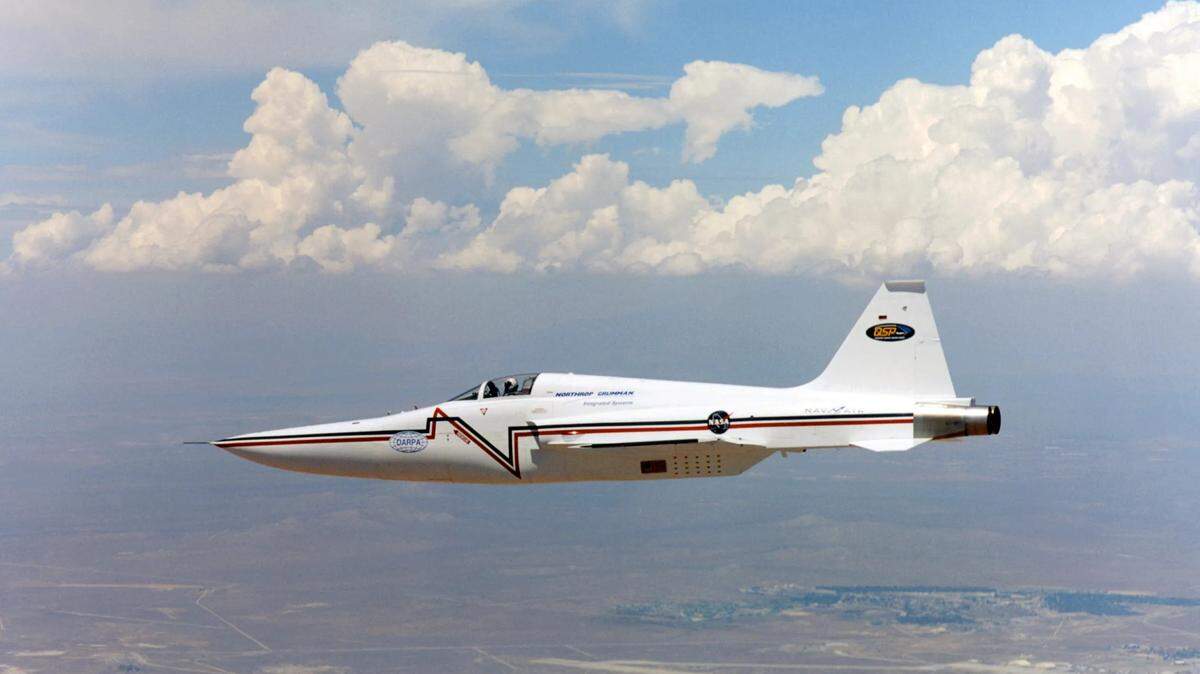
Sonic booms are often caused by military aircraft traveling faster than the speed of sound, but spokespeople for Shaw Air Force Base in Sumter and McEntire Joint National Guard base in Richland County say aircraft from those installations were not flying in the Columbia area at the time the boom was reported.
Meteors can travel higher and faster than military aircraft and also can cause sonic booms.
Branch, an aerospace engineer who collaborates with the Meteor Society and who has followed meteor activity in the United States since 2005, said he’s confident the boom over Columbia was caused by a meteor. Branch is with a group that visits places where meteor activity has been reported in the sky to look for evidence of space rocks falling to earth.
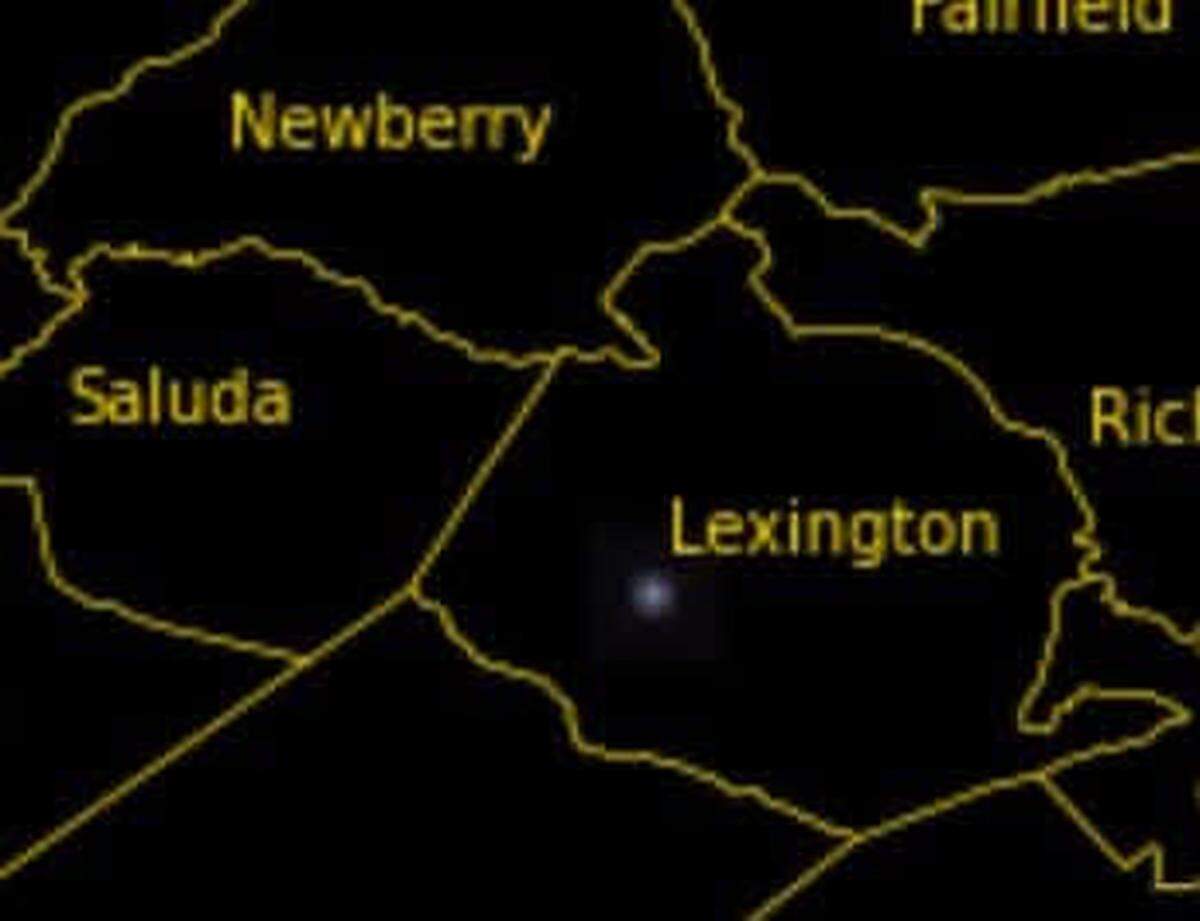
In an interview with The State, Branch said he examined National Oceanic and Atmospheric Administration satellite imagery, finding one isolated flash taken after 5 p.m. May 24 in an area of South Carolina where he said lightning was not occurring.
That indicates it was a meteor, he said. The NOAA imagery is used to monitor lightning, but also can pick up other flashes.
Last Thursday, the satellite registered a single flash over the Fairview Crossroads area of Lexington County, Branch said. The U.S. Geological Survey reported the approximate spot of the boom as over Irmo, also in Lexington County about 30 miles away from Fairview Crossroads.
Seismic data stations Branch said he examined show a pressure wave that indicates the sonic boom was meteor-related.
At the same time, the boom was heard in many parts of the state, including Florence, about 70 miles to the east; Lancaster, about 60 miles to the north; and Batesburg-Leesville, about 36 miles to the west, according to the National Earthquake Information Center. There were sporadic reports that the boom was heard as far away as Charleston and Charlotte.
“Aircraft sonic booms don’t travel that far,’’ Branch said, explaining that a sonic boom resulting from high in the atmosphere will affect a wider area.
Despite those assertions, NASA said it has no evidence to support the boom over Columbia resulted from a meteor.
The meteor-related sonic booms in Massachusetts and New York caused a stir in the Northeast, not only because of the sound but also because of the spectacle people saw. Scores of residents from that area reported seeing a fireball streak across the daytime sky.
At about 2 p.m. Saturday, a fiery meteor moved over Boston, reaching speeds of up to 75,000 miles per hour and causing a sonic boom across much of the Northeast, The New York Times reported. The burning meteorite was seen from New England to Maryland. All told, the American Meteor Society received 85 reports of the fireball. The meteor finally broke up over the Atlantic Ocean, WBZ in Boston reported.
“The one outside of Boston on May 30 was a sonic boom from a meteorite,’’ said Jessica Sigala, a geophysicist with the National Earthquake Information Center in Denver.
On Wednesday, May 27, the American Meteor Society received 88 witness reports of a fireball traveling across the skies of New York state and Ontario, Canada, as well as Michigan, Ohio and Pennsylvania. The event caused a booming noise, local media reported. The news outlet WGRZ, quoting an official with the Buffalo Science Museum, said the cause of the boom and fireball was a meteor.
“What we saw was a meteor, essentially a space rock that has entered the Earth’s atmosphere,’’ science museum astronomer Tim Collins told WGRZ.
This story was originally published June 2, 2026 at 11:47 AM.