Power vs. property: SC landowners fight back against energy company over pipeline
A pipeline company is meeting resistance in court from landowners who don’t want company surveyors on their property as it seeks a route for a new natural gas line from Georgia into South Carolina.
A lawsuit seeking class action status was filed Wednesday, July 8 by a Lowcountry resident who opposes efforts by Elba Express to get onto her land for surveys. As many as 94 property owners who have resisted attempts to access their land could be represented in the case against Elba Express.
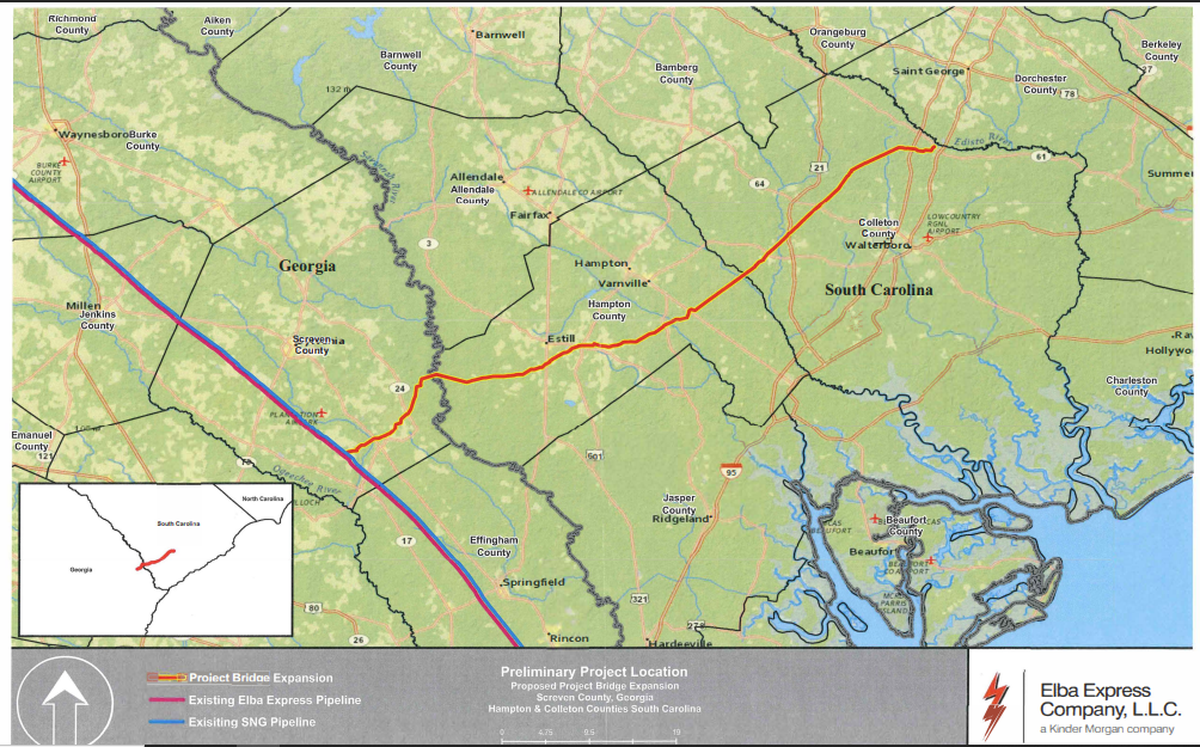
The suit by Lois Tuten Stratos, who owns three pieces of land that could be affected, follows recent individual cases involving landowners worried that the proposed 71-mile-long natural gas pipeline will disrupt their rural way of life and hurt the environment. The pipeline would run through Hampton and Colleton counties, connecting with a proposed natural gas plant in Canadys.
Both the Stratos class action suit and the individual cases are in response to legal action by Elba Express against dozens of property owners who have resisted company efforts to survey their land . Some property owners have denied Elba Express access to their property. Others have not responded to formal requests.
While the cases by Stratos and other landowners have some differences, they ask a judge to dismiss the pipeline company’s legal push to survey the land of people who won’t grant permission to access their property.
Elba Express, a subsidiary of the national company Kinder Morgan, doesn’t have legal authority to force its way onto their property, according to the recent filings by property owners. Allowing the company to survey could make it easier to run the pipeline through their land, they contend.
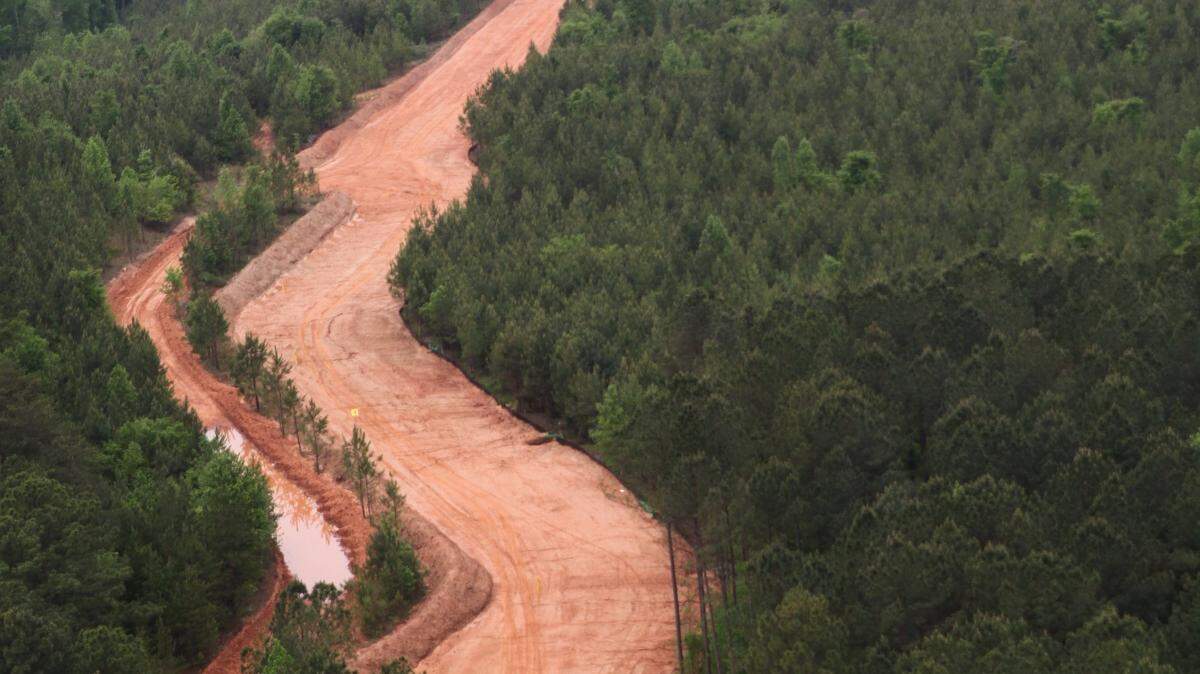
The legal filings to stop Elba Express are the latest in a growing battle over whether the company can build the pipeline through the Lowcountry, a scenic area of wetlands, rivers, forests, nature preserves and farms.
Elba Express says it needs access to private property to determine if it is suitable for the pipeline. All told, Elba Express has filed about 100 cases in South Carolina court involving property owners. Cases also have been filed in Georgia.
Property owners and environmentalists say the pipeline isn’t necessary, nor is the natural gas plant it would serve in Colleton County. Many landowners grew up in the region and say they treasure the quiet solitude of Hampton and Colleton counties. The area is between Columbia and the state’s lower coast.
Badge Humphries, a Sullivans Island attorney who is representing Stratos in the class action case, said people are justifiably concerned because granting access for surveys could eventually mean the pipeline will go through their land.
“It’s the first step in losing your property,’’ Humphries said. “You lose your ability to exclude these people. They walk on your property, evaluate it. The next step is they’re going to take it.’’
Pipelines are often run through private property by using easements, legal mechanisms that give utilities and others the right to lay pipe in that area and service the pipe. Surveys help shore up exact pipeline routes.
Will Cook, a Charleston lawyer representing at least 10 landowners in individual cases, said people are exercising their private property rights – and they shouldn’t be forced to let surveyors on land they depend on for timber harvesting, farming or as a homestead.
“The right to exclude people from trespassing is one of our most fundamental property rights,’’ Cook said, noting that “there is a lot of distrust, anger and general opposition to the pipeline.’’
Kinder Morgan plans to run the 71-mile pipeline from an existing line in Screven County, Georgia, to Canadys in Colleton County. The $431 million pipeline would serve a proposed 2,200-megawatt natural gas plant at Canadys. The plant is to be built to keep up future growth in South Carolina, utilities say.
Records in Georgia show the company is studying an area as wide as a football field for the pipeline, although that does not mean the swath through people’s land would be that large. Cook said many property owners were not told by Elba Express they were being taken to court to seek access to their land, he said.
That’s a sore point, he said.
“If I were a property owner with property along the route, especially if this is going to destroy a timber operation or a farm or a home … I would certainly be upset,’’ Cook said. “This certainly hasn’t done anything to increase a level of goodwill in the community.’’
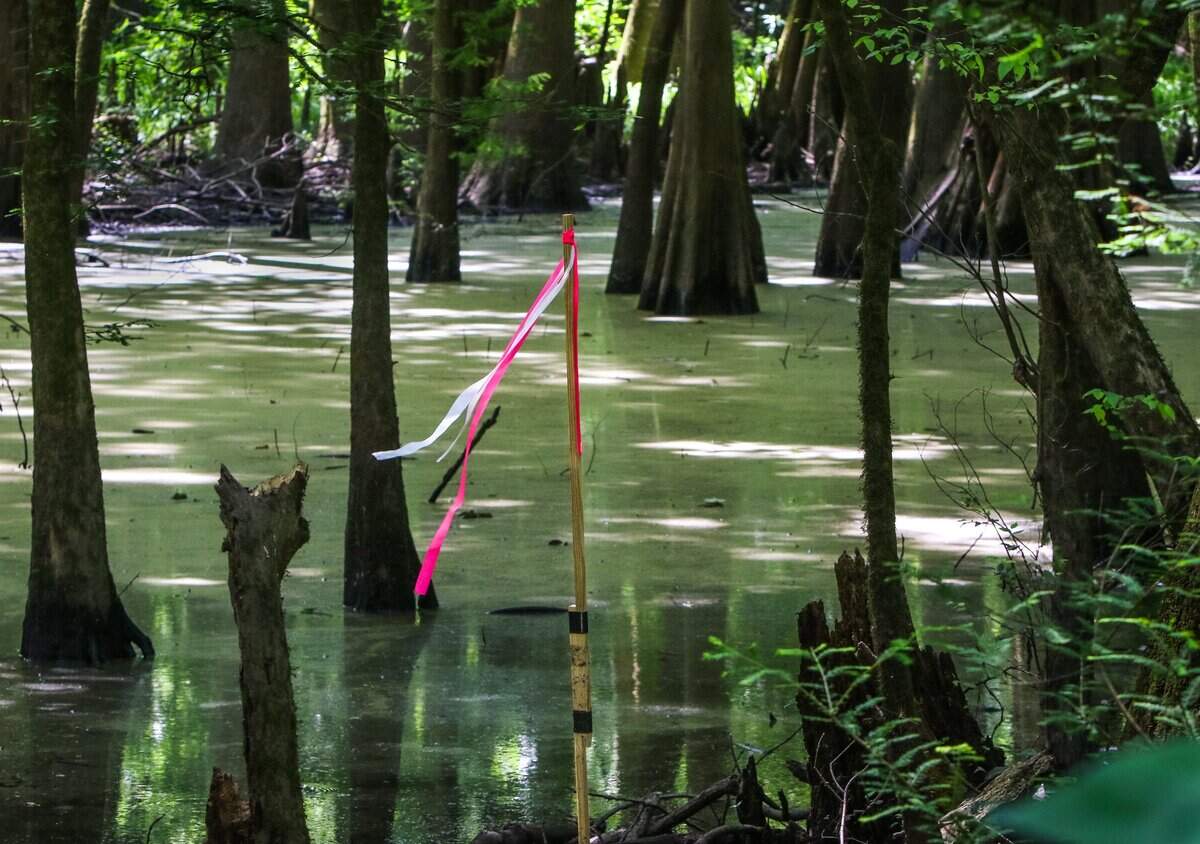
Allen Fore, a spokesman for Kinder Morgan, said it’s the property owners’ right to take court action, but the surveys the company is seeking to conduct will ultimately lead to a better pipeline route that should benefit the landowners more than his company.
While it’s possible to use geographic information systems or other means to learn about property, actually visiting the sites provides information that couldn’t be obtained otherwise, he said. Sometimes, site visits can help push the route away from parts of the land that are important to the owners, he said.
“There is no substitute for actually being on the property, preferably with the landowners themselves,’’ Fore said. “That’s the way to get the best information, and the best information often comes from the landowners.
“It’s our chance to hear from them.’’
A central point made in court filings on behalf of property owners is that Elba Express does not yet have a certificate from the Federal Energy Regulatory Commission allowing it to move ahead with the pipeline.
Without the certificate – which is a major approval – the company can’t rely on the power of eminent domain to gain access to property, attorneys for landowners say.
Eminent domain allows the government, or in some cases other entities, to take people’s land for projects that would be for the public good. In those cases, property owners are paid for use of their land. Initial access to property is part of the eminent domain process, some attorneys say.
Cases handled by both Humphries and Cook also allege that Elba Express can’t condemn land, or even gain access to the land, because previous legal filings in the case used the wrong name of the company seeking access. Legal filings against landowners listed the name as Elba Express LLC, when the company’s formal name is Elba Express Company LLC, according to the legal filings.
Humphries’ case on behalf of Stratos also seeks a court injunction that would prevent Elba Express surveyors from entering private land without consent.
With the pipeline, Elba is seeking a strip of property that would run through multiple parcels of land between southeastern Georgia and Canadys, which is in Colleton County, west of Charleston . After surveys, the company could seek to condemn land, if agreements can’t be worked out with landowners along the route.
Kinder Morgan and Elba Express expect to file an application for certification by FERC early next year, with a decision from the federal agency expected within a year. The company now is in what’s known as a “prefiling process’’ which includes better identifying the route the pipeline would take.
Fore said Kinder Morgan’s efforts to gain access to property aren’t unusual when seeking a pipeline route.
“This is a process where we follow the rules and regulations in every state,’’ he said.
Shelley Robbins, who tracks pipeline issues for the Southern Alliance for Clean Energy, said the pipeline dispute is understandable. Pipelines can disrupt communities, restrict what landowners can do on their property, and hurt the environment.
“Once you have a pipeline easement, if there are future expansion plans, you are more than likely going to end up with more than one pipeline on the property,’’ she said.