‘They fought for our freedom.’ Grateful Dutch town still tends graves of SC WWII dead
Two smoking pipes, two fountain pens, one Bible. A pocket knife, a pair of rings and one cigarette lighter. These were all the possessions James E. Wise had with him, on his body or tucked in his uniform, when he died on a German battlefield on April 11, 1945.
“He was a smoking believer,” said Stefan Warnier, a Dutchman, whose family might now be the only people left on the earth who honor and remember this soldier from South Carolina. “These are such little details, but for me, they’re worth a lot.”
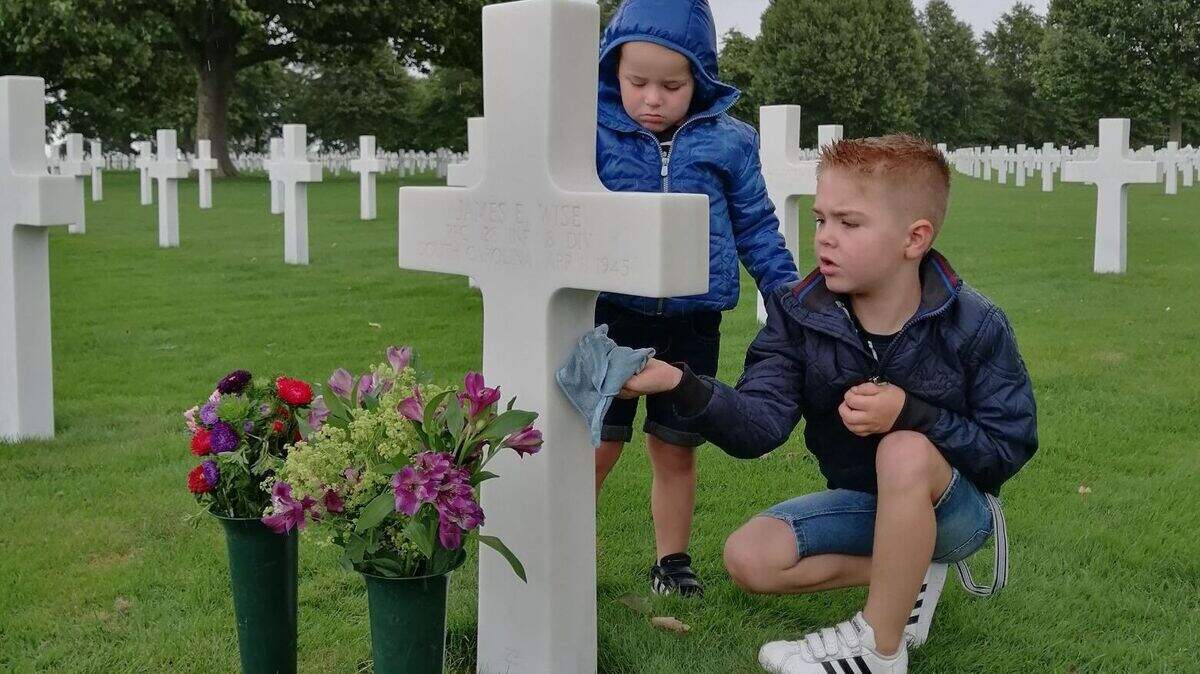
To Warnier, his wife and his two young sons, Wise has become family. They were born generations and an ocean apart, but they are tied together by a cemetery in a small town in the Netherlands.
Wise is one of more than 8,300 American service members who were killed in Europe in World War II and buried in the Netherlands American Cemetery in the town of Margraten, where thousands of families have adopted the names and memories of the people who died for their liberation.
More than names on headstones, they are men who had faces, families and lives overseas — hundreds of them from right here in South Carolina, including Wise, an Army private first class from Lake View in rural Dillon County.
A project to put faces and stories to those names recently found its way to the South Carolina State Library, which over the past year uncovered long-lost photographs of dozens of men memorialized in Margraten, some of whose family members never knew their loved ones’ legacies lived on there.
“You learn so much from a photograph,” said Leesa Aiken, director of the State Library. “They’re individual young men, in most cases, who went thousands of miles from their home and really did give the ultimate sacrifice. And I think that is the most important part, to remember them individually, which is part of the reason I love this project so much.”
A message from abroad
The Warnier family adopted Wise’s grave in May 2016, part of a program that began shortly after World War II to honor fallen service members buried in the Netherlands. More than 1,000 people are on a waiting list today to adopt graves or the names of missing soldiers listed at the Margraten cemetery.
Ever since adopting Wise, the Warniers have devoured everything they could learn about him. Warnier requested and received a 30-page file from the U.S. military that told him, among other facts, that Wise was a private first class in the Army; born October 19, 1919; husband to Gladys; a posthumous recipient of the Purple Heart. The file included the list of possessions found on his body at the time of his death.
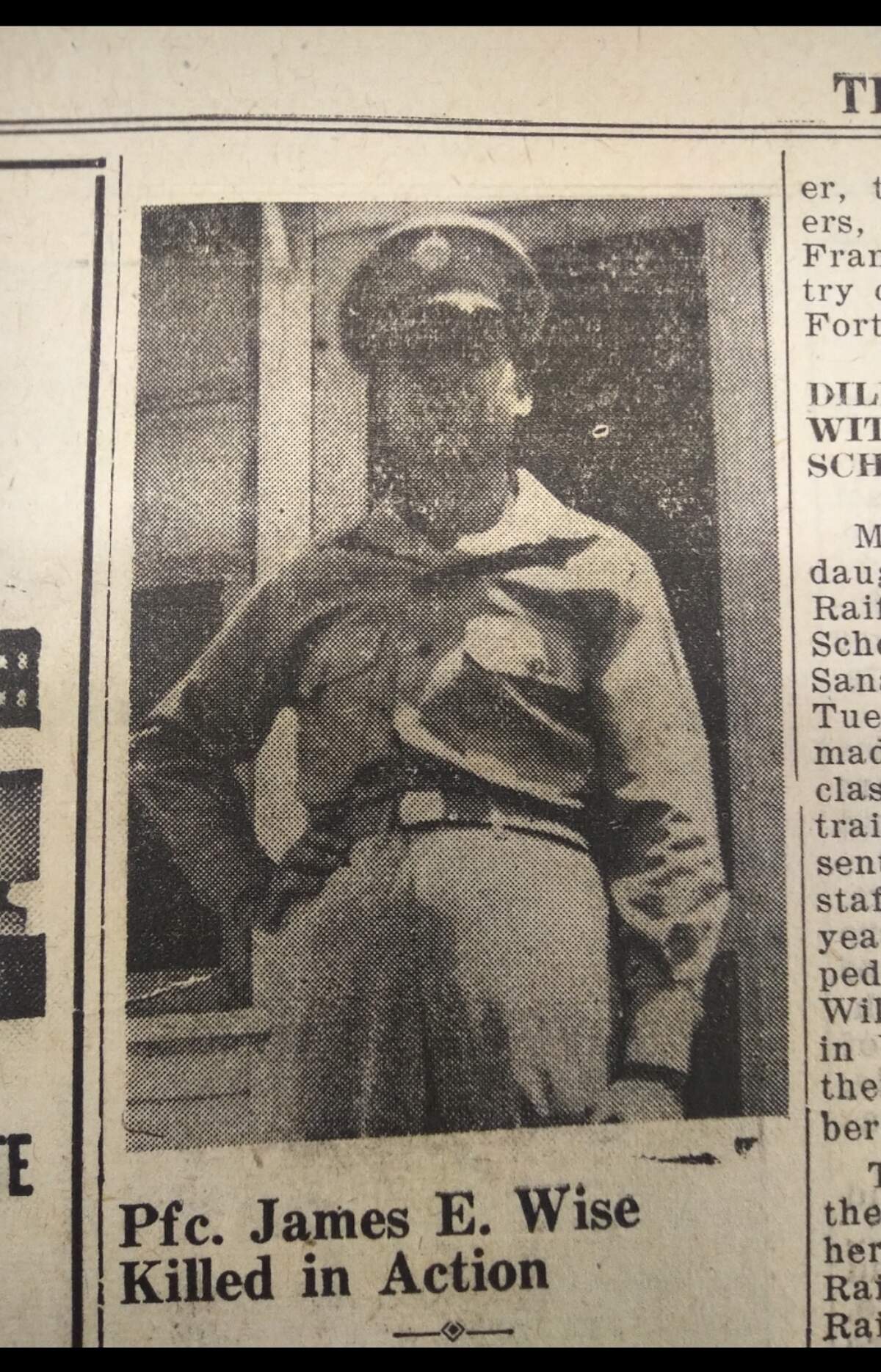
The family still didn’t know what the “E,” his middle initial, stood for. And they still didn’t know what James E. Wise looked like.
Having exhausted his own research capabilities, Warnier received a tip last year from a connection in a Facebook group: Try contacting the South Carolina State Library, located in Columbia.
He did, and he connected with Hannah Majewski, a library researcher and daughter of a World War II veteran who dove headfirst into the task of tracking down Wise’s life.
“I thought, this is the coolest thing I think I’ve ever heard of,” Majewski said. “(Warnier) started telling me that they were looking for a picture of this soldier because they considered him part of their family and they wanted a picture in their house of him. … So that pulled at me, that tugged right at my heartstrings. I want to do everything I can.”
She dove down a rabbit hole of research, soon opening doors to the lives of not just James E. Wise, but William E. Medford, Clarence E. West, Allan M. Dozier and some 30 other men from South Carolina who are either buried or whose names are written on a wall of the missing at the Margraten cemetery and whose photos had not yet been added to their memorial.
“It’s such an honor for us to do this, to be able to recognize the greatest sacrifice of these soldiers,” said Aiken, who recalled that her own grandfather, who helped raise her, would rarely speak of his time in the war.
Since last spring, State Library researchers have uncovered photos and background for at least 14 South Carolina service members, in a few cases connecting with family members who say they never knew what had become of their grandfather, uncle or cousin. They’re still searching for others.
For some families Majewski contacted, she said, it was a thrill to resurrect their generational history.
“I can just imagine how I would be or my mom would be bragging, ‘This is what your granddad did!’ It starts the conversation of what your family did and how important your family is, what your family contributed to society,” Majewski said.
For some, it’s brought a measure of closure.
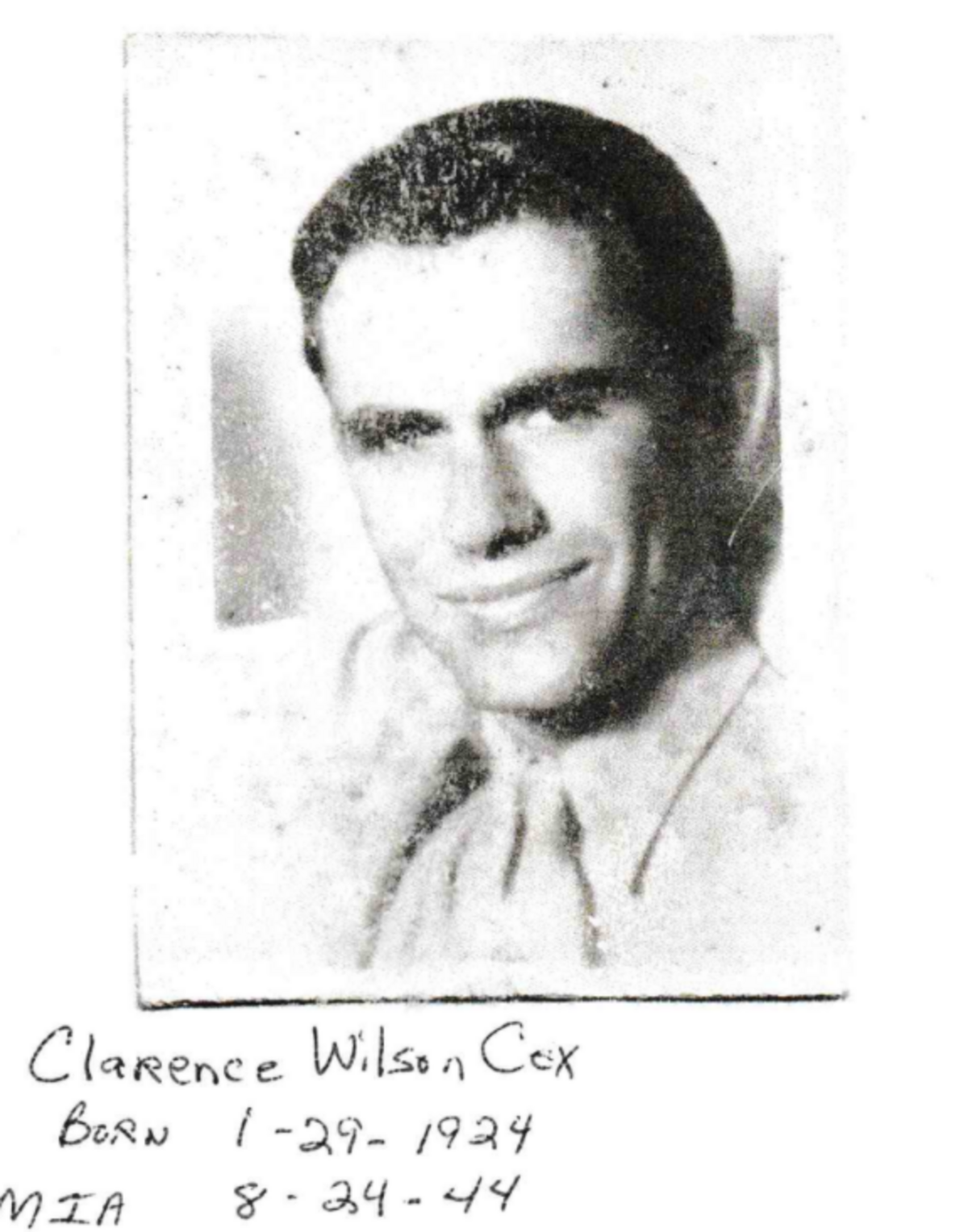
David Cox’s uncle and father, natives of Calhoun Falls in Abbeville County, both fought in the war. His father, David Sylvester Cox, served in the Navy and returned from the war. His uncle, Clarence Wilson Cox, was a sergeant tail gunner in the Army Air Forces and died in an air bombing mission near Weimar, Germany.
Clarence Cox’s body was never found. His family didn’t know his name was honored among the missing at the Margraten cemetery until they heard from Majewski at the State Library, said David’s wife, Mary Cox. The family was able to provide photos of Clarence, along with a copy of a letter he had written to his sister.
Knowing that someone has adopted Clarence’s name brings some comfort to the family, Mary Cox said.
“It feels good that somebody’s going to be his family,” she said.
More than a headstone
Dutch residents began adopting the graves of service members and names of the missing almost as soon as the war ended. The tradition has continued for more than seven decades.
“From quite early on, in the U.S. it was known that something was happening in Margraten and people were looking after the graves,” said Sebastiaan Vonk, chairman of the Fields of Honor Foundation, which maintains a database of military members buried and honored at the Margraten cemetery. “That made people try to find each other,” with families of the dead reaching out to the families who adopted their loved ones, and vice versa, he said.
Residents of Margraten and the Netherlands to this day continue to celebrate their liberators with zeal, Vonk said. Events are held at the cemetery on Memorial Day and other holidays, with thousands of people representing every living generation gathering there. Many adopters bring flowers and other tokens to lay at the graves.
Like many boys and young men, Vonk said he grew fascinated with the history of the war and its soldiers when he was a teen. He adopted the grave of an Army corporal from New York, Lawrence Shea — “I started relating to Lawrence; he was only 21 when he got killed,” Vonk said.
The Faces of Margraten project was Vonk’s brainchild, aiming to place a photograph beside every grave and name of the missing.
“It was a really simple idea of just put a picture next to a headstone ... but it’s so powerful,” Vonk said. “You’re no longer connecting to a headstone. It’s a human being, someone’s eyes. It gives a whole other meaning to your visit to that cemetery.”
The project has collected photographs of around 80% of the military members honored at the cemetery, Vonk said. They are included in the Fields of Honor Foundation’s online database. Tracking down photographs for the remaining names is likely very difficult.
When Vonk’s organization learned last year the South Carolina State Library was helping to research Wise with Warnier, he connected with them and shared more soldiers’ names who didn’t yet have photographs.
At the State Library, Majewski and her research colleagues have now expanded their efforts beyond Margraten and are working to track down photographs of South Carolina service members buried at two Belgian cemeteries. They’re also reaching out to libraries in other states hoping to help them get involved in putting faces to the names in Margraten.
There’s not much time to preserve the firsthand stories of the war and the people who lived and died through it, Vonk said, if we are to continue to pass on those stories for generations to come. And that, he said, is something we must do.
“As older generations and eyewitnesses have passed away, it’s fueled a sense of urgency. If you want to do something with these stories, you better do it now,” Vonk said. “There’s really a sense of passing that history on and saying, ‘This must never happen again,’ and I think that is very strong.”
‘It’s our duty’
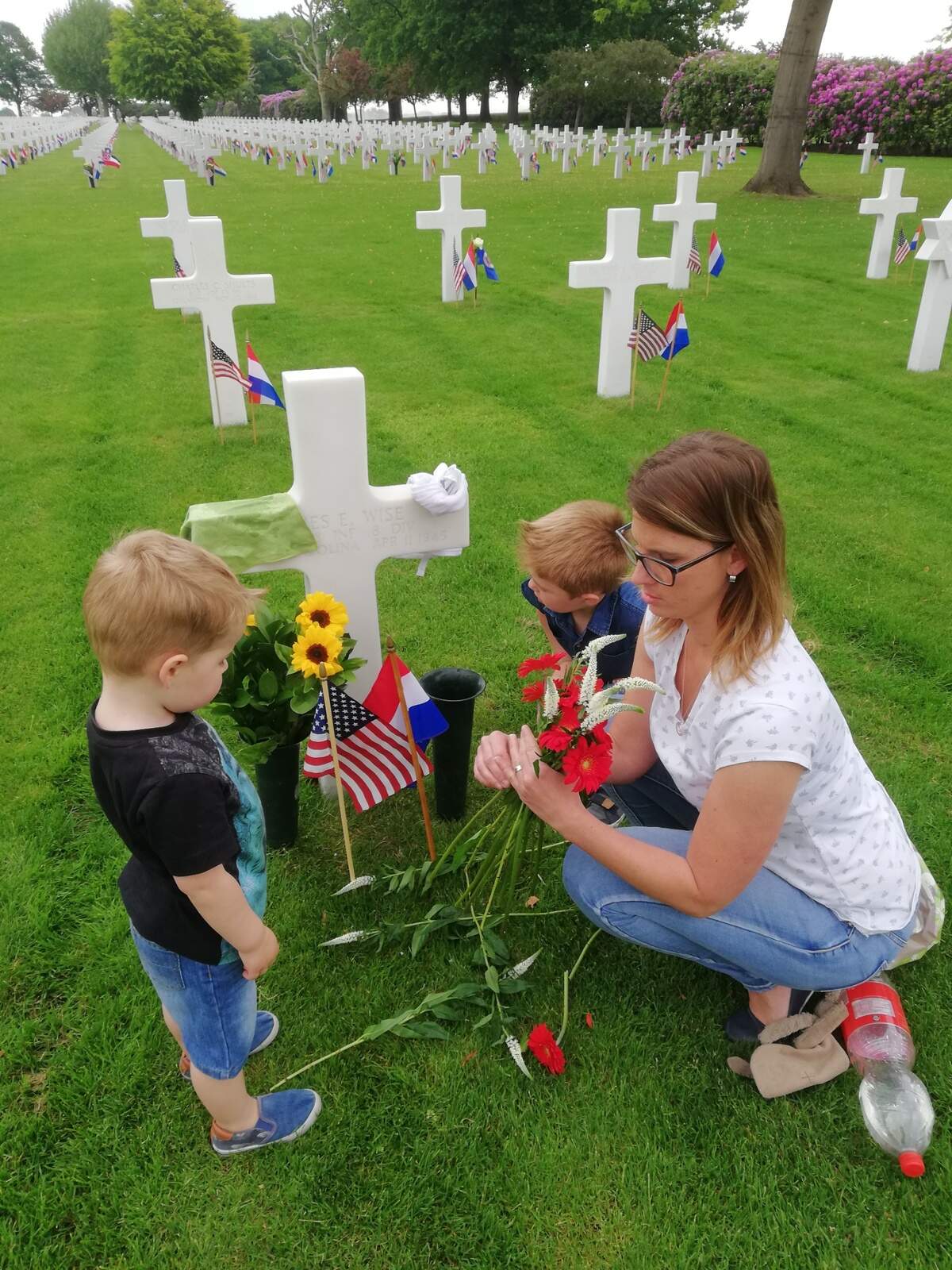
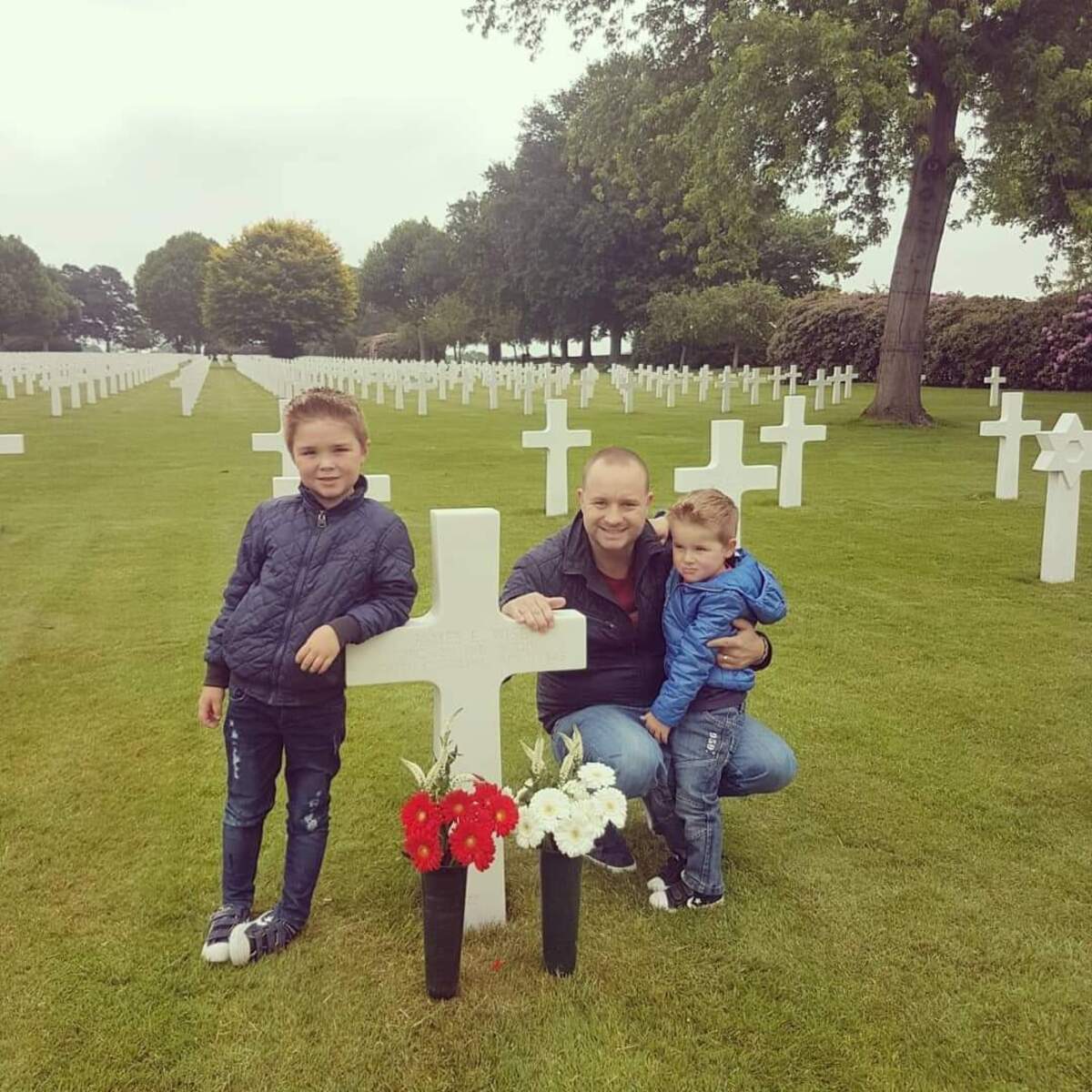
The Warnier family visits Wise’s grave most years on the soldier’s birthday, on the day he died, and on some holidays.
Seven-year-old Lenn and 5-year-old Wess carry flowers and a towel to wipe down the headstone. Lenn once drew a picture for Wise — a soldier holding a gun, with the sun shining on him — to leave at the grave. Lenn often asks about Wise and teaches Wess what he knows about him.
“He wants to know everything and what happened and who is laying down there,” their father said.
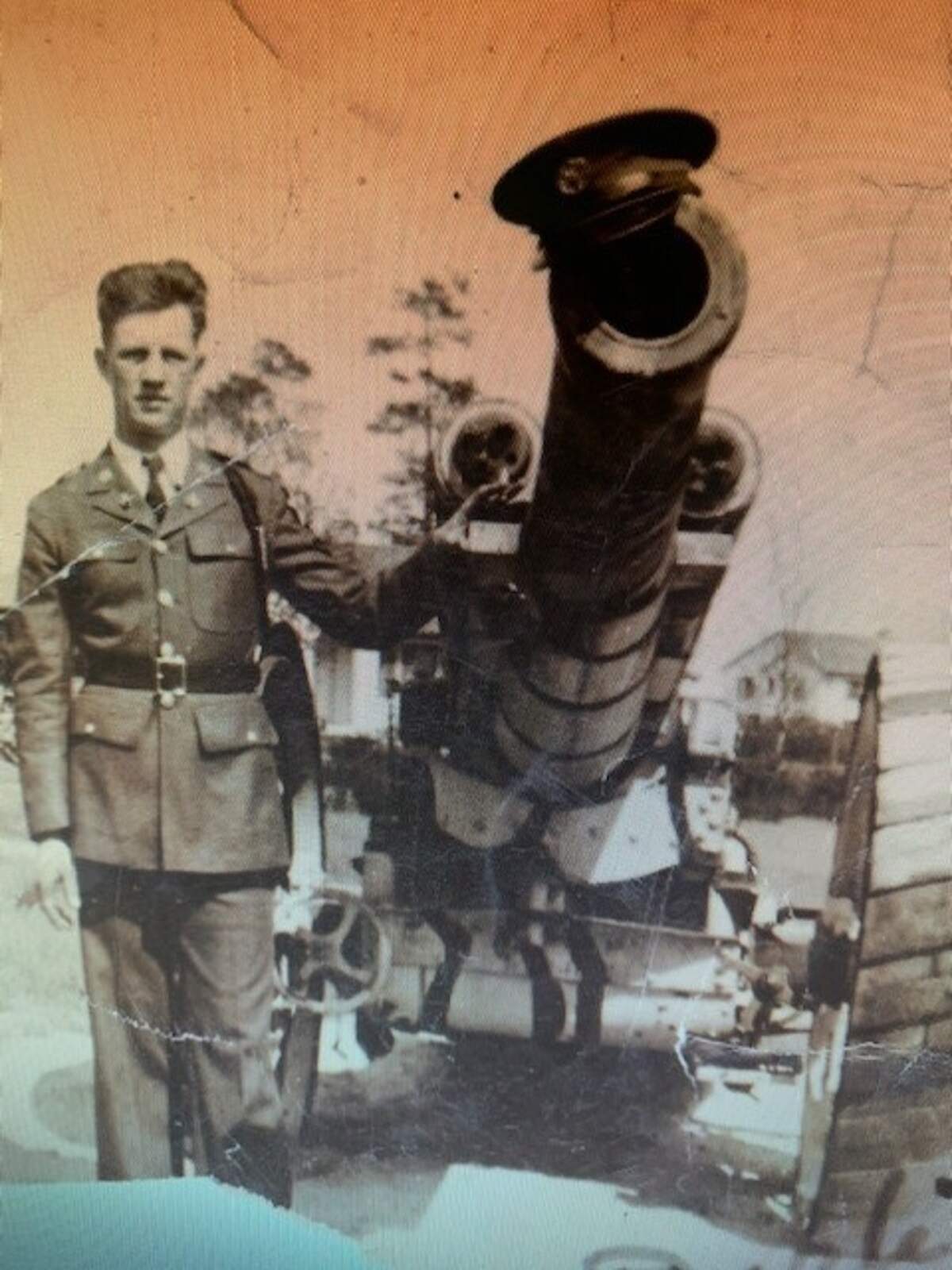
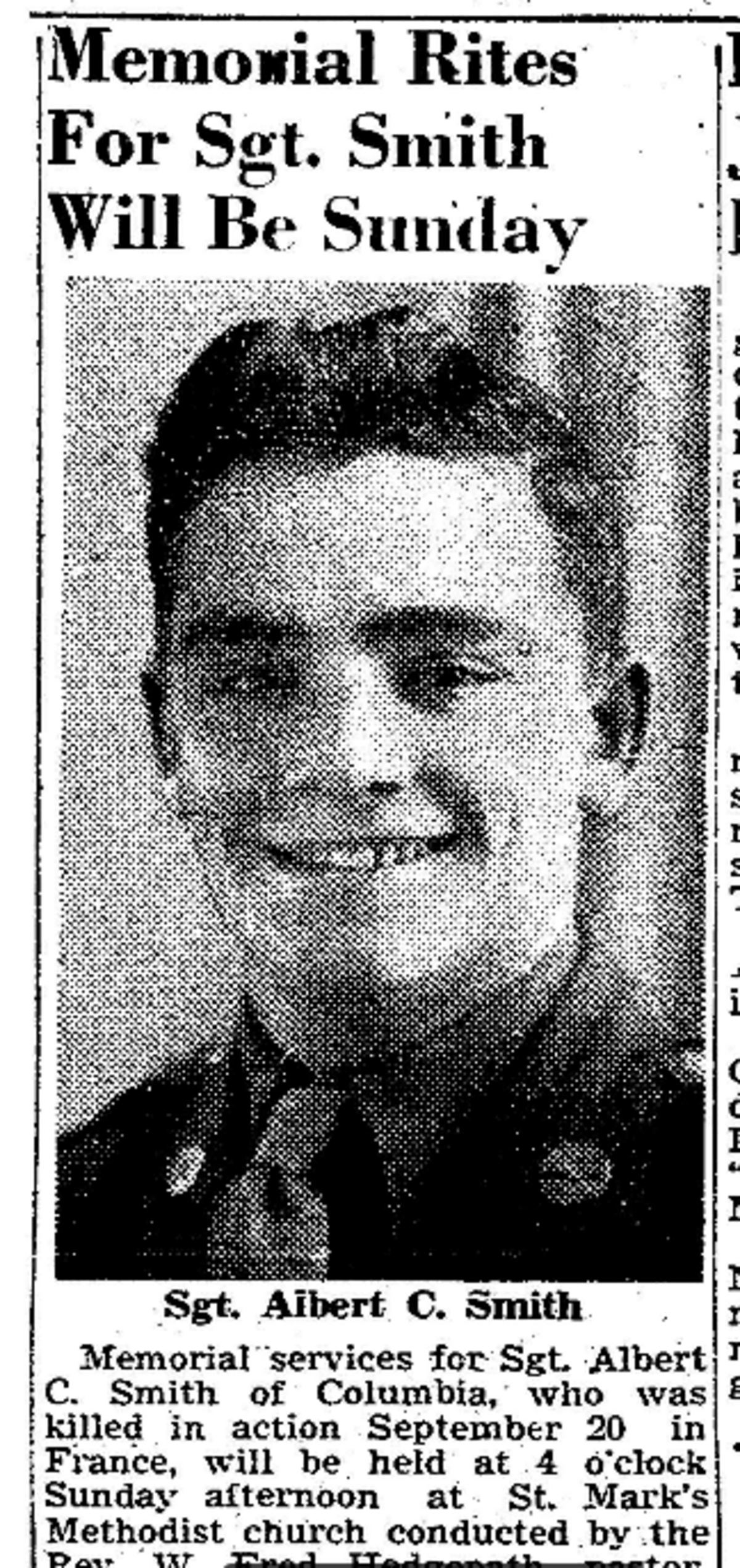
Though the Warniers now have a photograph of Wise, thanks to Majewski’s research, they still don’t know exactly what his face looks like; the old newspaper photo is not clearly printed, and Wise’s face is heavily shadowed.
They know Wise’s wife, Gladys, remarried, and they know he had a sister and two brothers. They’ve tried to locate any surviving members of Wise’s family, but they haven’t been able to. As far as they are aware, they might be the only “family” Wise has left.
Warnier is committed to keeping alive both the memory of the war and the memory of James E. Wise, as an individual.
“How do I explain?” he said, thinking of how he tells such things to his young boys. “I want my kids to know that there was a long fight here in the Netherlands and in Europe, and why those soldiers are lying there at Margraten and what they did for us. Almost every time I go to there, I tell my kids, ‘We show our gratitude to our liberators and particularly the soldiers who gave their lives in battle for us.’ ...
“They fought for our freedom, and it’s our duty to take care of that grave and others, especially James,” he said. “It’s our duty because they are the ones who took care of us.”
The South Carolina State Library, in conjunction with The Faces of Margraten project, continues to search for photographs of other South Carolina military members who are buried or memorialized at the Netherlands American Cemetery. If you have any information about these men, you can send an email to reference@statelibrary.sc.gov and include “Margraten” in the subject line.
Moses Levinson, Charleston County
Henry V. White, Charleston County
Roy F. Davis, Chester County
Allan M. Dozier, Clarendon County
Walter Douglas, Florence County
William E. Ford, Florence County
Harry E. Isgett, Florence County
Eugene Austin, Greenville County
Todd S. Foster, Greenville County
Gerald H. Ingram, Jasper County
Charley Warters, Jasper County
Clyde Talbert, Kershaw County
James W. Reid, Laurens County
Duane Whitman, Lexington County
James Whittle, Lexington County
William L. Berry, Oconee County
Napoleon Crow, Pickens County
Charles A. Rudisail, Spartanburg County
James D. Burton Jr., York County
This story was originally published March 11, 2021 at 5:00 AM.