
Dormant Yellowstone hot spring eruption reveals pacifier, Hamm’s beer can, years of trash
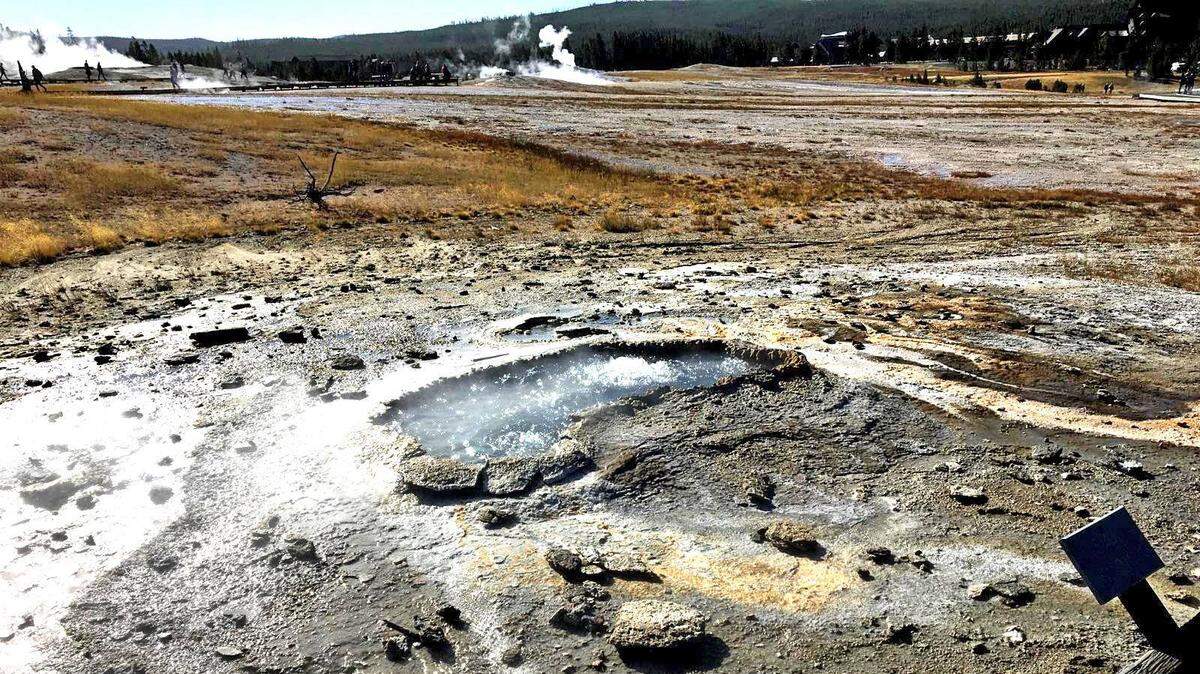
Yellowstone National Park visitors were treated to a rare sight last month.
A generally placid hot pool called Ear Spring in the Upper Geyser Basin shot water as high as 30 feet in the air on Sept. 15, making it the largest eruption at the spring since 1957, according to the U.S. Geological Survey. The basin is also home to Old Faithful and other geysers and hot springs.
But the surprise eruption revealed more than hot water and rocks.
Following the eruption, park officials discovered years of human-generated trash that had been tossed at the hot spring. That included a handful of cigarette butts, a Hamm’s beer can, part of a cement block, a plastic spoon, a straw, a baby’s pacifier, coins, a piece of rubber that looks like a heel insert, a blue pencil and more, photos show.
“Foreign objects can damage hot springs and geysers,” park rangers wrote in a Facebook post following the eruption. “The next time Ear Spring erupts we hope it’s nothing but natural rocks and water. You can help by never throwing anything into Yellowstone’s thermal features!”
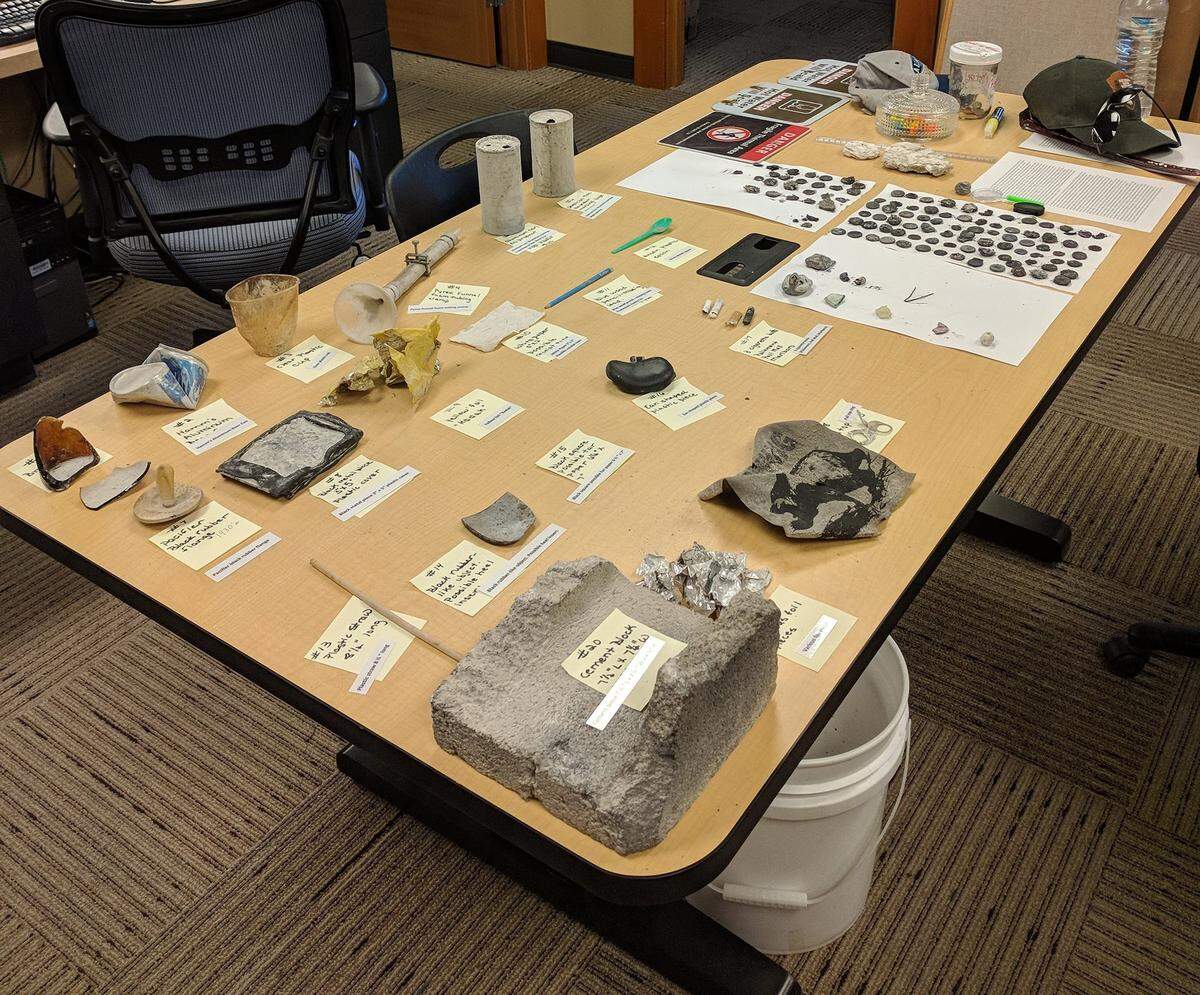
Park officials said that curators would be cataloging items that were “clearly historic,” and that those items “may end up in Yellowstone’s archives.”
Photos from the day after the eruption, posted by USGS, show rock debris scattered around the eruption site. The agency said the surprise eruption and the hot water runoff it created destroyed bacterial orange and yellow mats that ring the hot spring.
Some people on Facebook worried that the eruption and other hydrothermal changes in the basin could be ominous signs of volcanic activity below the surface.
But the USGS said “there are no signs of impending volcanic activity.”
Geyser and hot spring eruptions are “common occurrences and do not reflect changes in activity of the Yellowstone volcano. Shifts in hydrothermal systems occur only the upper few hundred feet of the Earth’s crust and are not directly related to movement of magma several kilometers deep,” the agency said.
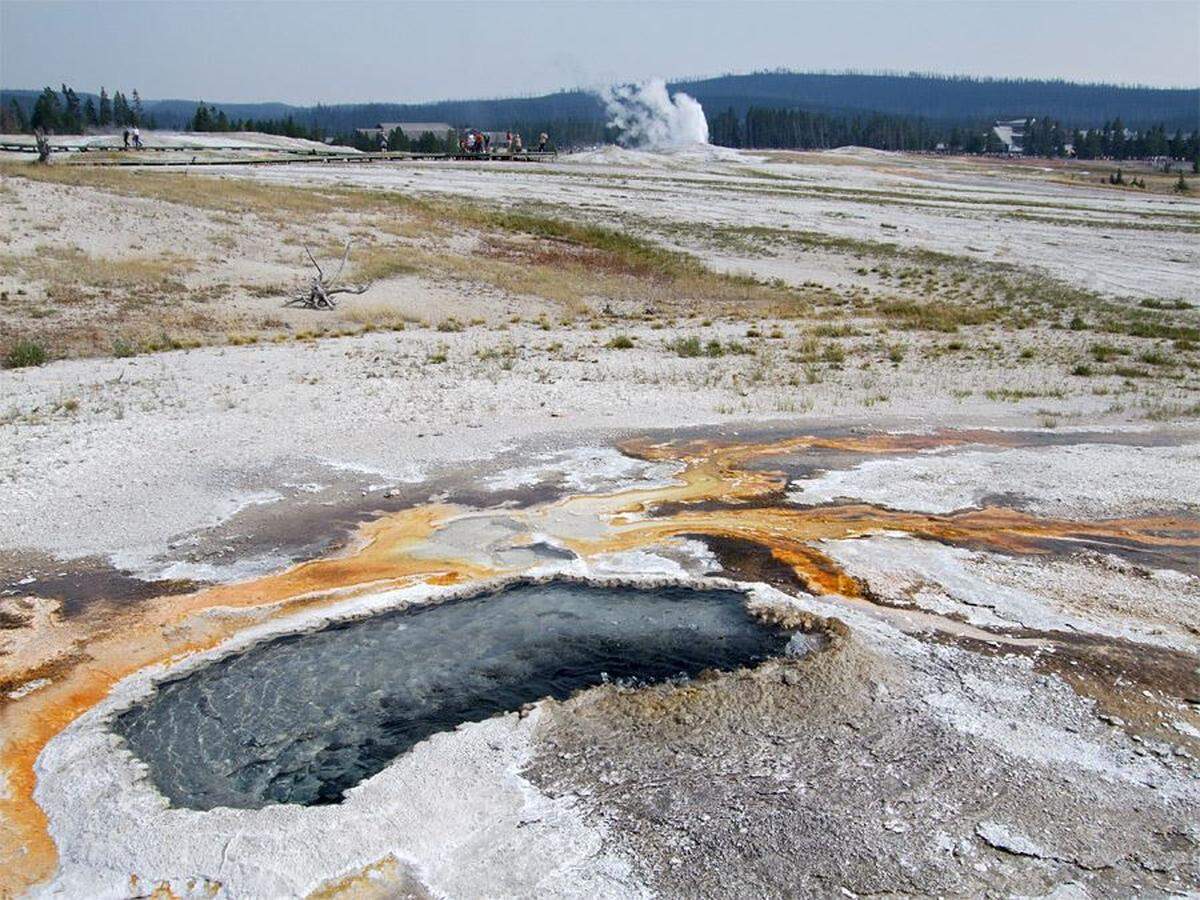
While Ear Spring’s 30-foot eruption was rare for the usually calm hot spring, larger eruptions are commonplace for Yellowstone’s more famed geysers.
Major eruptions at Steamboat Geyser send water flying more than 300 feet into the air — shooting so much water and detritus into the air that “even cars in the parking area can be littered with debris,” according to the National Park Service.
This story was originally published October 2, 2018 at 3:41 PM with the headline "Dormant Yellowstone hot spring eruption reveals pacifier, Hamm’s beer can, years of trash."