Gas prices may rise in Southeast if Colonial Pipeline stays shut down. What to know
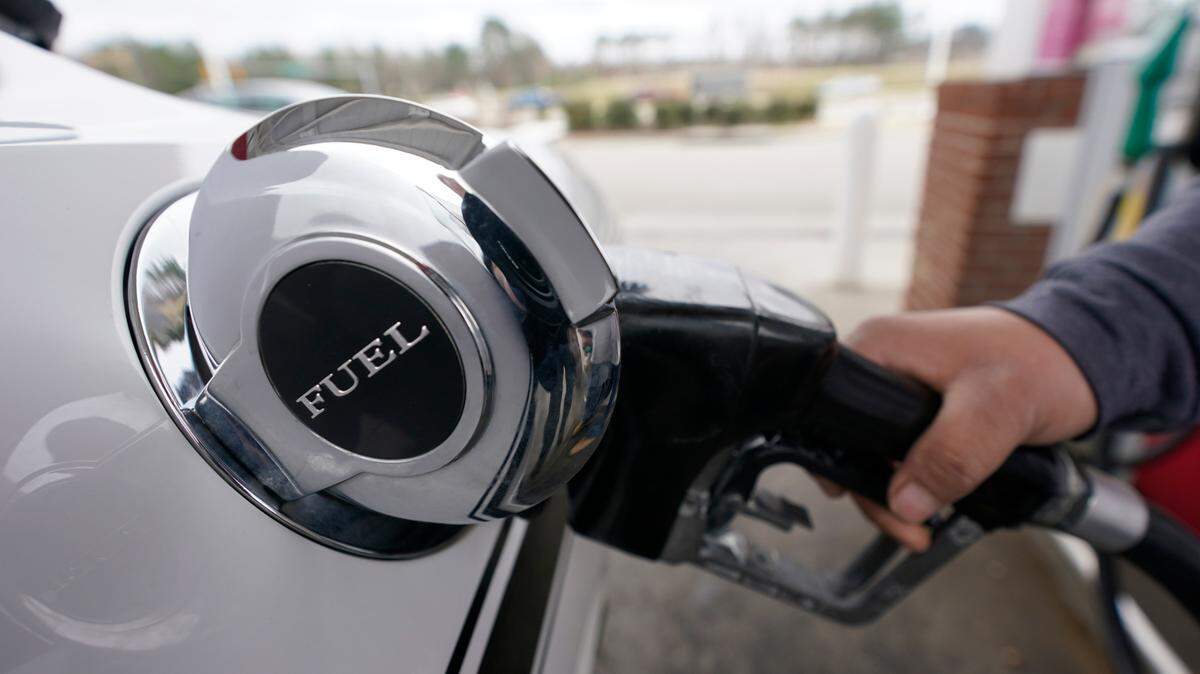
Drivers in the Southeast could see higher gas prices if the Colonial Pipeline shutdown continues.
The company, which says it is the “largest refined products pipeline” in the country, said in a statement Saturday that it was the “victim of a cybersecurity attack” involving ransomware and that it took some systems offline to mitigate the threat — temporarily shutting down all pipeline operations.
On Sunday, the company said some smaller lines were operating again but that its main lines remained closed.
It said Monday that the goal is to “substantially” restore operations by the end of the week.
“While this situation remains fluid and continues to evolve, the Colonial operations team is executing a plan that involves an incremental process that will facilitate a return to service in a phased approach,” the company said. “This plan is based on a number of factors with safety and compliance driving our operational decisions.”
How could the shutdown affect gas prices in the Southeast?
Colonial Pipeline’s system runs more than 5,500 miles through the southern and eastern United States — stretching from Texas to New Jersey.
It transports more than 100 million gallons of fuel each day — or roughly 45% of “all fuel consumed on the East Coast,” the company says.
Experts say the shutdown isn’t expected to have an immediate impact on gas prices. But, if the pipeline remains closed for too long, the southeastern part of the country is likely to bear the brunt of it.
“This shutdown will have implications on both gasoline supply and prices, but the impact will vary regionally,” Jeanette McGee, AAA spokesperson, said in a statement. “Areas including Mississippi, Tennessee and the east coast from Georgia into Delaware are most likely to experience limited fuel availability and price increases, as early as this week. These states may see prices increase three to seven cents this week.”
Other parts of the country are less likely to feel impacts, AAA says, as imports and other pipelines can supplement supply. But those supplies would not be able to resolve interruptions from the Colonial shutdown.
“Once the pipeline is up and running, there could still be residual delays as it takes about 15-18 days for fuel to flow from Texas to New York,” AAA says.
But others say the shutdown would have to last several days for consumers to feel the affects.
“About the @Colpipe outage due to cyberattack: I would not expect this to last long enough to make fuel pricing or supply an issue, but will continue to watch,” Patrick De Haan, head of petroleum analysis at GasBuddy, tweeted Saturday. “Again — #gasprices are not impacted yet, and should not if Colonial’s operations return soon.”
De Haan said “challenges” brought on by the shutdown likely wouldn’t emerge for at least seven days and may only affect the Southeast.
“Reminder to motorists in Colonial’s operating area: rushing out and filling your tank will make the problem much much more acute and likely double or triple the length of any supply event, if it comes to that,” De Haan tweeted Sunday.
Andy Lipow, an oil analyst, agreed that prices wouldn’t be affected by a short shutdown but told the Associated Press that if operations are stalled for five or six days, it could cause shortages and price increases — especially between central Alabama and Washington, D.C.
Previous prolonged shutdowns of the Colonial Pipeline have caused gas prices to increase in the Southeast, Reuters reports. In 2016, for example, a leak that required the pipeline to shut down for 10 days caused gas prices in Georgia to jump by 30 cents per gallon.
The U.S. Department of Transportation’s Federal Motor Carrier Safety Administration on Sunday issued a regional emergency declaration for 17 states along the East Coast and Washington, D.C., to support “relief efforts related to the shortages of gasoline, diesel, jet fuel and other refined petroleum products” in response to the shutdown.
The declaration creates more flexibility for carriers and drivers, including an exemption from hours of service restrictions for those transporting fuel to the included areas.
In North Carolina, Gov. Roy Cooper on Monday declared a state of emergency and temporarily suspended “motor vehicle fuel regulations to ensure adequate fuel supply supplies throughout the state.”
“Today’s emergency declaration will help North Carolina prepare for any potential motor vehicle fuel supply interruptions across the state and ensure motorists are able to have access to fuel,” Cooper said in a statement.
About the shutdown
Colonial says a third-party cybersecurity firm is investigating the attack and that it has contacted law enforcement and federal agencies.
“Colonial Pipeline is taking steps to understand and resolve this issue,” it said in a statement. “At this time, our primary focus is the safe and efficient restoration of our service and our efforts to return to normal operation. This process is already underway, and we are working diligently to address this matter and to minimize disruption to our customers and those who rely on Colonial Pipeline.”
A Russian cybercrime group called Darkside is responsible for the attack, the FBI confirmed Monday. The group makes money by “hacking a victim’s network, encrypting their files so they can’t be accessed, and threatening to publish them online if they’re not paid a hefty fee,” NBC News reports.
Eric Goldstein, executive assistant director of cybersecurity at the Department of Homeland Security’s Cybersecurity and Infrastructure Security Agency, or CISA, said in a statement that the agency is “engaged with the company and our interagency partners regarding the situation.”
“This underscores the threat the ransomware poses to organizations regardless of size or sector,” Goldstein said. “We encourage every organization to take action to strengthen their cybersecurity posture to reduce their exposure to these types of threats.”
This story was originally published May 10, 2021 at 12:44 PM with the headline "Gas prices may rise in Southeast if Colonial Pipeline stays shut down. What to know."