Pumpkins may be harder to find this fall season — and may be more expensive. Here’s why
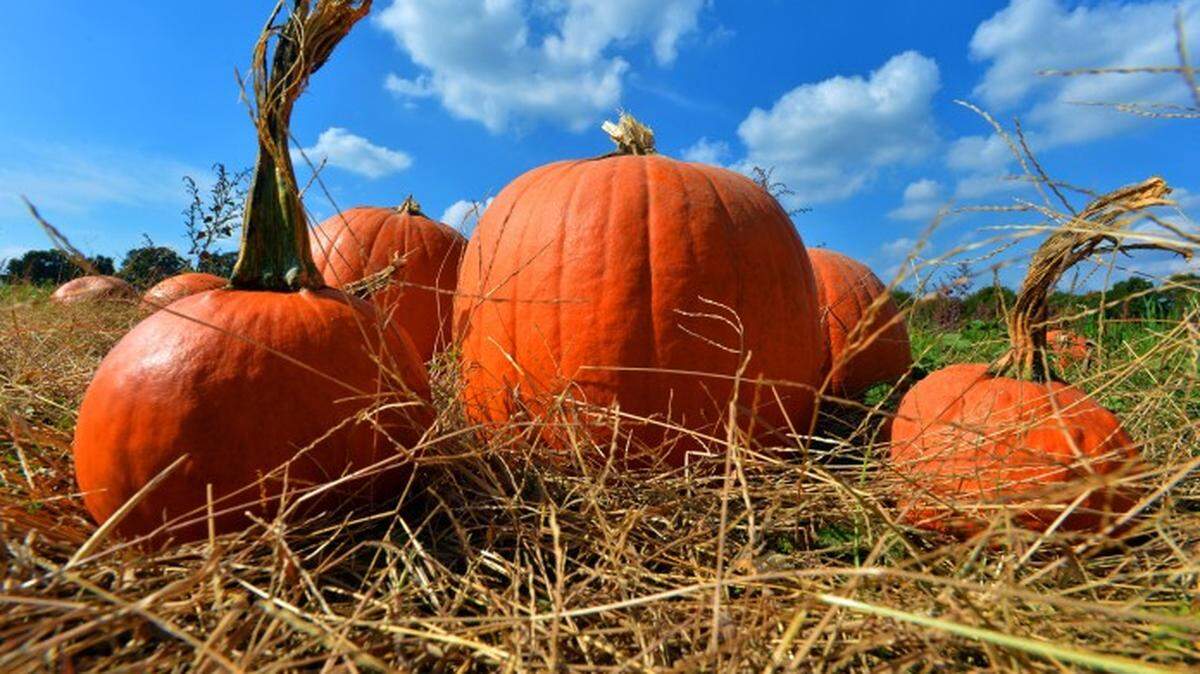
Whether you want pumpkins to carve or throw in your pie, extreme weather and worker shortages are haunting harvests this year, meaning the fruit — yes, fruit — may be more expensive and difficult to get your hands on.
This wetter-than-usual summer spoiled some pumpkin farms across the nation, creating ideal breeding grounds for pests that can wipe out entire harvests. The fewer pumpkins available for purchase, the more expensive they could be.
“The wet and the humidity here will cause a fungus to get started — so it’ll get into the crop that way,” Annette Jackson, co-owner of Jackson’s Greenhouse and Garden Center in Topeka, Kansas, told FOX4. “You lose your foliage — you lose your protection for the fruit.”
Little protection means “squash bugs get in there really bad,” and animals like raccoons feel welcome to an early Thanksgiving meal, said Jackson, who told the outlet she has to drive all the way to Nebraska to get her pumpkins because there are so few in Kansas. “Now [pumpkins are] hard to find and they’re extremely expensive.”
“The people that grow locally have said they only have enough to sell to their customers and can’t co-sale to us,” Jackson said.
Farmers in Charlotte, North Carolina, share similar struggles, where a wet spring and summer cut their harvest in nearly half, FOX8 reported.
Experts predicted a potential pumpkin shortage back in July when they noticed a vine infection called phytophthora blight — which involves a fungus that can damage entire harvests of peppers, cucumbers, squash and pumpkins —appeared earlier than usual in Illinois.
Mohammad Babadoost, a professor of plant pathology at the University of Illinois, told St. Louis Public Radio the downpours in late June and early July were to blame. He said if the fungus appears “after the middle of August, or close to the end of the season in September or so, it’s not so bad.”
He continued: “But this year, in the first week of July, is too much.”
Such infestations in pumpkin plots can be devastating for major producers during holiday seasons. Illinois alone is responsible for more than 90% of canned pumpkin sold in the U.S., according to St. Louis Public Radio.
“If we do not have enough processed pumpkins, we may not have enough canned pumpkin for, let’s say, Thanksgiving,” Babadoost told the outlet.
In California, a totally different problem has plagued pumpkin harvests: drought.
Danny Lopes, an employee with Farmer John’s Pumpkin Farm in Half Moon Bay, California, told ABC7 “a lot of farmers didn’t plant because of water [shortages caused by the drought.] We usually plant 10 acres. This year, we only did half of that.”
Marty Martinez, a regular customer at a Lafayette, California, orchard, told the outlet, “in some cases prices have doubled, especially for the specialty white ones. They can be hard to come by. A lot of the patches just went out of business. They gave up.”
Another local farmer, Tony Cozzalino with Cozzalino Pumpkins in California, told ABC7 his farm doesn’t have enough seasonal workers. He said he has relied on friends and a local community college baseball team to help harvest pumpkins this year.
The volunteer help is “just enough to get through harvest season,” Cozzalino said.
This story was originally published October 6, 2021 at 1:03 PM with the headline "Pumpkins may be harder to find this fall season — and may be more expensive. Here’s why."