
‘Ravenous’ jumping worms are spreading in US. ‘Only takes one to create a new invasion’
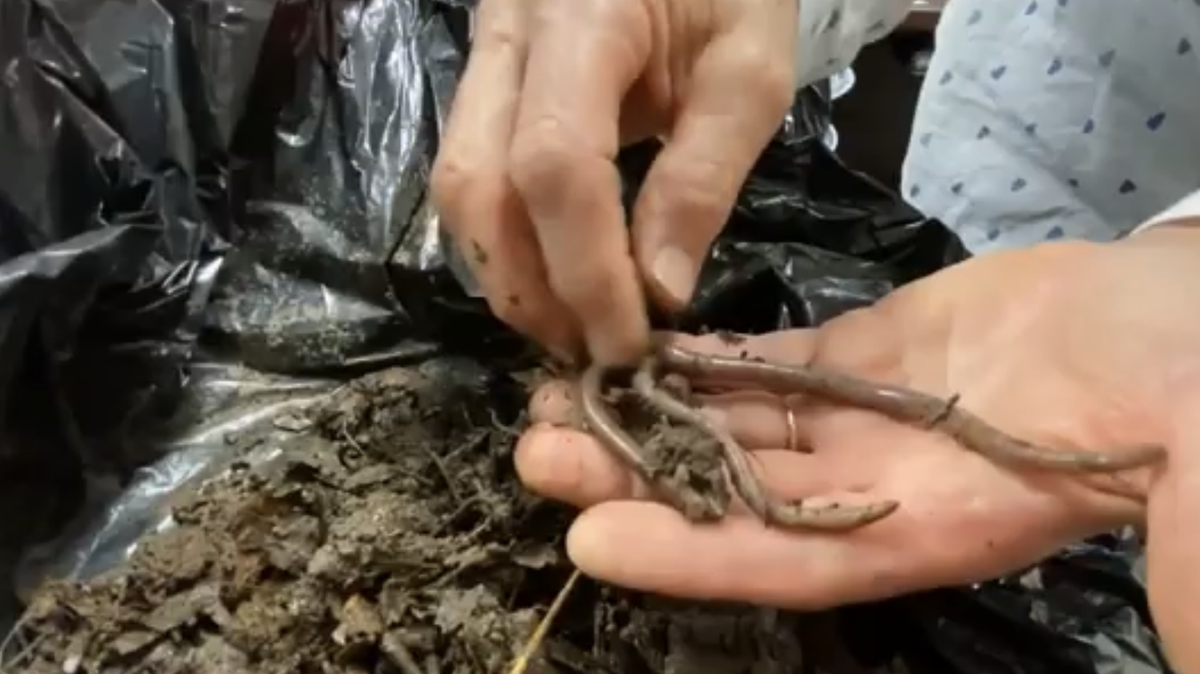
A “ravenous” and snake-like worm species — the invasive jumping worm — is spreading across several states in the U.S. and has proven to be a “problem.”
“It only takes one to create a new invasion” since they can reproduce without a mate, the Canandaigua Lake Watershed Association in western New York has warned of the slivering invertebrates. The worms have recently become a “concern” in the state and elsewhere.
So far, they’ve spread along the East Coast, in the Southeast, the mid-Atlantic, the Midwest and throughout some northwestern states, according to Cornell University, and they’re “relatively new” to the Northeast. As of 2021, they’d spread to at least 15 states, Smithsonian Magazine reported.
Here’s what you should know about the worms and why they’re an issue:
Invasive jumping worms are a type of earthworm, and they “devour organic matter more rapidly…stripping the forest of the layer critical for seedlings and wildflowers,” according to Cornell. It’s believed that the first Asian jumping earthworms were recorded in the late 19th century, and they can be found in the woods, parks, backyards and even compost piles.
The worms are gray and brown and are identifiable by a white band that circles their tube-like body.
These creatures have a bunch of different nicknames, including “crazy worms, snake worms, Jersey wigglers, and Alabama Jumpers,” Canandaigua Lake Watershed Association said. This is because of the wild thrashing movements they make “while trying to escape.”
There are three similar subspecies that are each referred to as invasive jumping worms and all come from Asia, according to the University of Maryland. They’re the Amynthas tokioensis, Amynthas agrestis and Metaphire hilgendorfi species from the Megascolecidae family.
The worms grow extremely fast, up to 6 inches, and “can infest soils at high densities,” Cornell warned.
“In areas of heavy infestation, native plants, soil invertebrates, salamanders, birds, and other animals may decline”, the university said. “These invasive worms can severely damage the roots of plants in nurseries, gardens, forests, and turf.”
Additionally, they can propel the spread of invasive plant species “by disturbing the soil,” according to the university.
They’re typically found in the ”top few inches of soil,” the watershed association said.
Video of a jumping worm shared by Springhouse magazine shows how the creature wiggles and writhes in a snake-like motion when touched.
The worms die out each winter, but their eggs concealed in cocoons survive cold temperatures and hatch when it reaches roughly 50 degrees outside, according to the University of Maryland. It takes about 60 days for them to grow into an adult.
“They may out-compete existing worm populations,” according to Cornell.
The cocoons are tiny and hard to see with the naked eye, the university said. Because of this, they’re able to spread “in potted plants, on landscaping equipment, mulch, tire treads, and even hiking boots.”
If a soil’s texture appears grainy and similar to coffee grounds, there might be an infestation of jumping worms below, according to Cornell.
“When you scratch the top layer of soil you will see the worms thrashing about with an erratic, snakelike movement,” Cornell said.
Currently, there’s no widespread, official method used to prevent the spread of the jumping worms, Cornell said.
The university advises to avoid buying these worms for bait or gardening. Doing so is illegal in New York, according to the watershed association.
Cornell also advises buying mulch or compost that has been heat-treated so any potential jumping worm egg casings are eradicated.
“If you have a small population of jumping worms, handpick and destroy them by bagging them and throwing them in the trash, or place them in a bag and leave out in the sun for at least 10 minutes; then throw the bag away.”
This story was originally published April 4, 2022 at 2:20 PM with the headline "‘Ravenous’ jumping worms are spreading in US. ‘Only takes one to create a new invasion’."
.jpg)