Some aim to flee the US amid anti-transgender laws. New nonprofit has a plan to help
Rynn Azerial Willgohs visited Iceland over the summer and knew almost immediately she was home. Or she knew at least she wanted to make it her new home.
“Even before I came back I was like — I’m moving here,” she told McClatchy News in an interview.
What was it that attracted her so much to a foreign place so far away from her home in Fargo, North Dakota?
A combination of things, she says. First and foremost, she says Icelanders are more welcoming and have better attitudes toward trans people.

“Iceland is so much more progressive when it comes to equal rights laws,” she said. “People there are more apt to mind their own business, they treat you with more humanity.”
That much was apparent to Willgohs on her first day there, when she and the group she traveled with landed and hit the Blue Lagoon Spa.
“I knew the laws there, and I still almost chickened out,” she said of using the locker room as a trans woman. “I was terrified. But then I saw another trans girl just walking around the locker room and hanging out with everyone else like it was no big deal.”
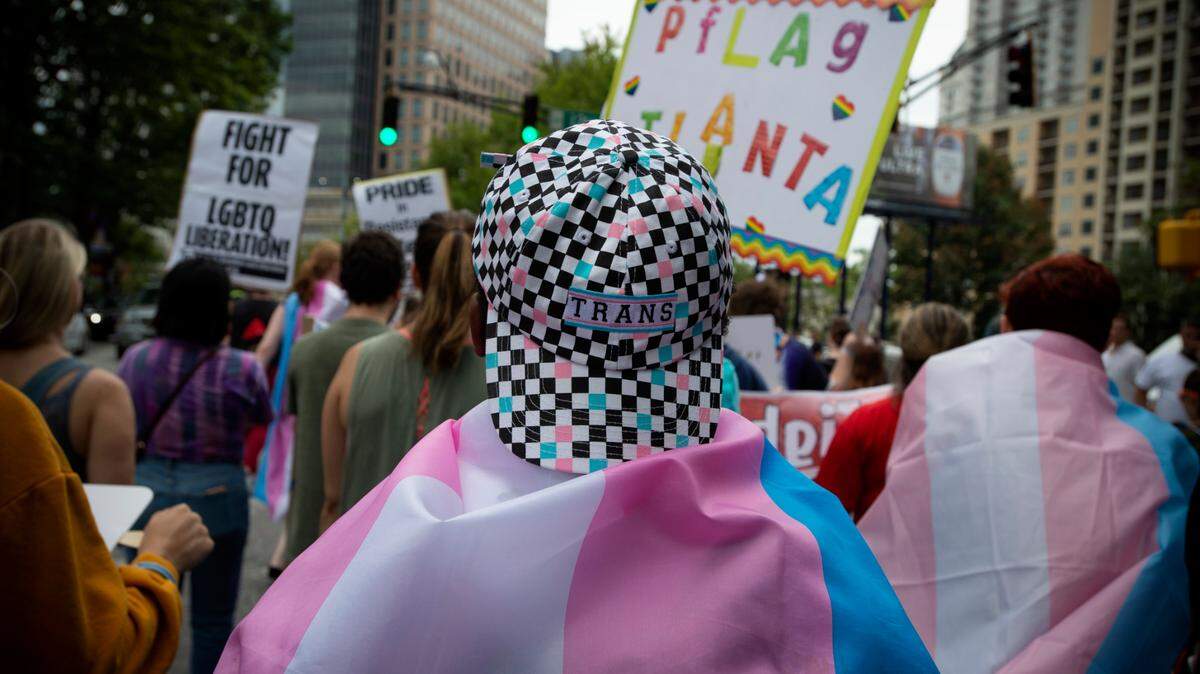
That’s just how people treat transness there, like it’s a non-issue, she says. Much different from hatred and hostility she said she and her peers experience in the U.S., where 144 anti-transgender bills have already been proposed as the 2023 legislative sessions ramp up, according to a website that tracks such bills.
“Some familiar targets of anti-trans legislation continue this year, including attacks in the areas of gender-affirming care, education, athletics, birth certificates, religious discrimination, and other areas we saw in 2022 anti-trans legislation,” the website states.
In 2022, a total of 26 anti-transgender bills were passed in 33 states, the legislation tracking website states.
Erin Reed, an activist who tracks anti-transgender legislation across the U.S. and anti-transgender movements internationally, is actively documenting at least three North Dakota bills moving through the legislature. One bill would require people to “use pronouns associated with your DNA,” another “would ban ANY accommodation, facilities, places, programs” for trans students and the third “would ban trans (adults) from bathrooms of their gender identity in universities and colleges,” Reed wrote on Twitter.
While she was in Iceland, Willgohs told herself she would return to the U.S. and get the rest of her transition done within two years while she planned her move.
“Then I was like, with the way things are going, this is going to be something more people are going to need help with,” she said.
Her experience navigating her gender transition and her upcoming move at the same time put her in a unique position to help others in the same or similar situations.
So she and co-founder Zara Crystal started a nonprofit called TRANSport dedicated to helping transgender Americans transition, navigate the legal process of fleeing to other countries and eventually finance their move.
The laws around it aren’t exactly clear, but one stipulation of the United Nations’ guidelines for asylum seekers says they must have a well-founded fear of being persecuted, which the guidelines define as “serious human rights violations, including a threat to life or freedom,” and may also include “lesser forms of harm.”
“What amounts to persecution will depend on the circumstances of the case, including the age, gender, opinions, feelings and psychological make-up of the applicant,” the guidelines state.
Willgohs researches laws and requirements in other countries so she can help guide other trans people through the process depending on what they might need, from protections for same-sex marriages to support for ongoing gender transitions and securing gender-affirming care once they’re in their new home, she said.
Dozens of people have already reached out to her, either seeking TRANSport’s help or offering their help with the mission, she said.
TRANSport is somewhat limited to helping those who already live near them in North Dakota, financially speaking. That’s why they hope the idea will catch on in other parts of the country and others will start their own network to help people in their communities.
Willgohs plans to have those who have successfully emigrated to other countries set up hubs there for others who want to seek asylum there. Ideally, they would be able to help TRANSport applicants secure housing, jobs and eventually healthcare, she said.

Even if they can’t get them out of the country, Crystal said she hopes they can help other trans people get their documentation accurately set up with gender markers that reflect who they are.
“For me personally it’s cool to be part of something that’s gonna help so many people,” Crystal said. “I value the work a lot. I hope that we can help as many people get out as we can.”
This story was originally published January 19, 2023 at 4:17 PM with the headline "Some aim to flee the US amid anti-transgender laws. New nonprofit has a plan to help."