Next solar eclipse to cross US in 2045. Where will others be visible before then?
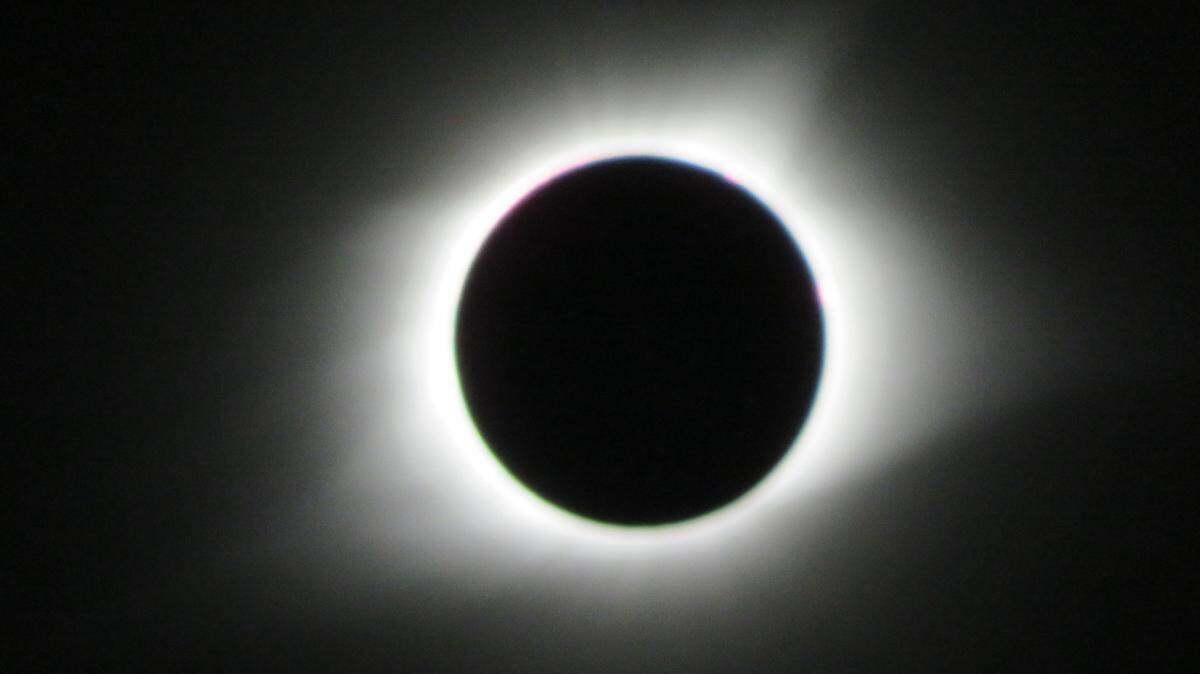
Millions of people viewed the solar eclipse as it crossed the the United States, offering a rare treat in the sky.
Whether you missed celestial event or couldn’t get enough of it, you might be wondering when you will get another chance to see the phenomenon.
After the April 8 eclipse, people in a wide swath of the United States will have to be patient until 2045. But there will be chances to see a solar eclipse even sooner if you travel abroad. Here’s what to know.
What is the path of the 2045 eclipse?
The next solar eclipse you will be able to view from the continental United States will be 20 years from now. On August 30, 2044, “totality will only be visible from North Dakota and Montana,” NASA said on its website.
But one year later, more of the country is expected to be in luck. On Aug. 12, 2045, another eclipse is set to travel “coast to coast” across the United States.
States in its path include California, Nevada, Utah, Colorado, Kansas, Oklahoma, Arkansas, Mississippi, Alabama and Florida, a NASA map shows.
Where will other eclipses be visible?
If you don’t want to wait two decades to view a U.S. eclipse, NASA said some are set to be visible within the next few years. Unlike the recent total eclipse, some will be only partial while others will be annular, meaning the moon covers much of the sun.
Here’s where space experts say you may be able to see your next solar eclipse:
- October 2: “South America, Antarctica, Pacific Ocean, Atlantic Ocean, North America” (annular, partial)
- March 29, 2025: “Europe, Asia, Africa, North America, South America, Atlantic Ocean, Arctic Ocean” (partial)
- Sept. 21, 2025: “Australia, Antarctica, Pacific Ocean, Atlantic Ocean” (partial)
- Feb. 17, 2026: “Antarctica, Africa, South America, Pacific Ocean, Atlantic Ocean, and Indian Ocean” (annular, partial)
- Aug. 12, 2026: “Europe, Africa, North America, the Atlantic Ocean, Arctic Ocean, and Pacific Ocean” (total, partial)
During solar eclipses, experts urge viewers to wear glasses to protect their eyes from the sun. Your glasses from this eclipse should be OK to use in the future if they aren’t damaged and have the safety standard ISO 12312-2 marked on them, McClatchy News reported.
This story was originally published April 9, 2024 at 8:53 AM with the headline "Next solar eclipse to cross US in 2045. Where will others be visible before then?."