Clawed cave creature with dozens of ‘slender’ legs found in Vietnam. See new species
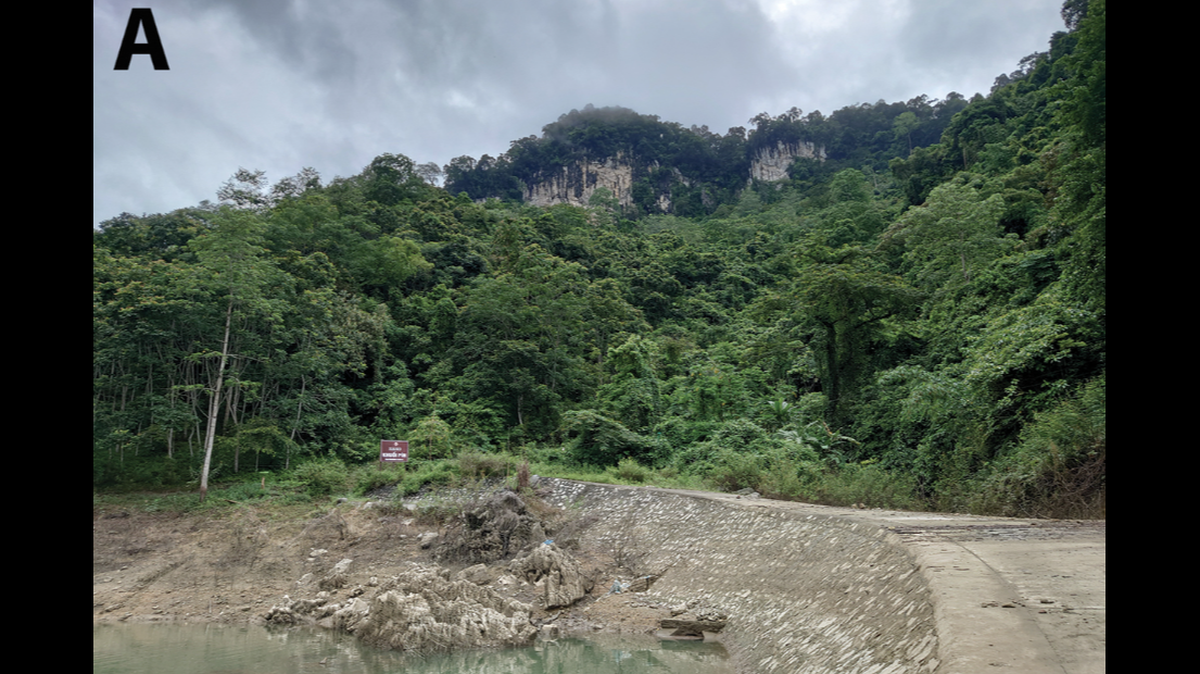
Vietnam is known for its karst landscapes, characterized by caves, caverns and sinkholes that harbor diverse ecosystems underground in near-total darkness.
It was in this environment, deep in the caves at the base of a mountain in Na Hang Nature Reserve, that researchers discovered a new species of pale millipede.
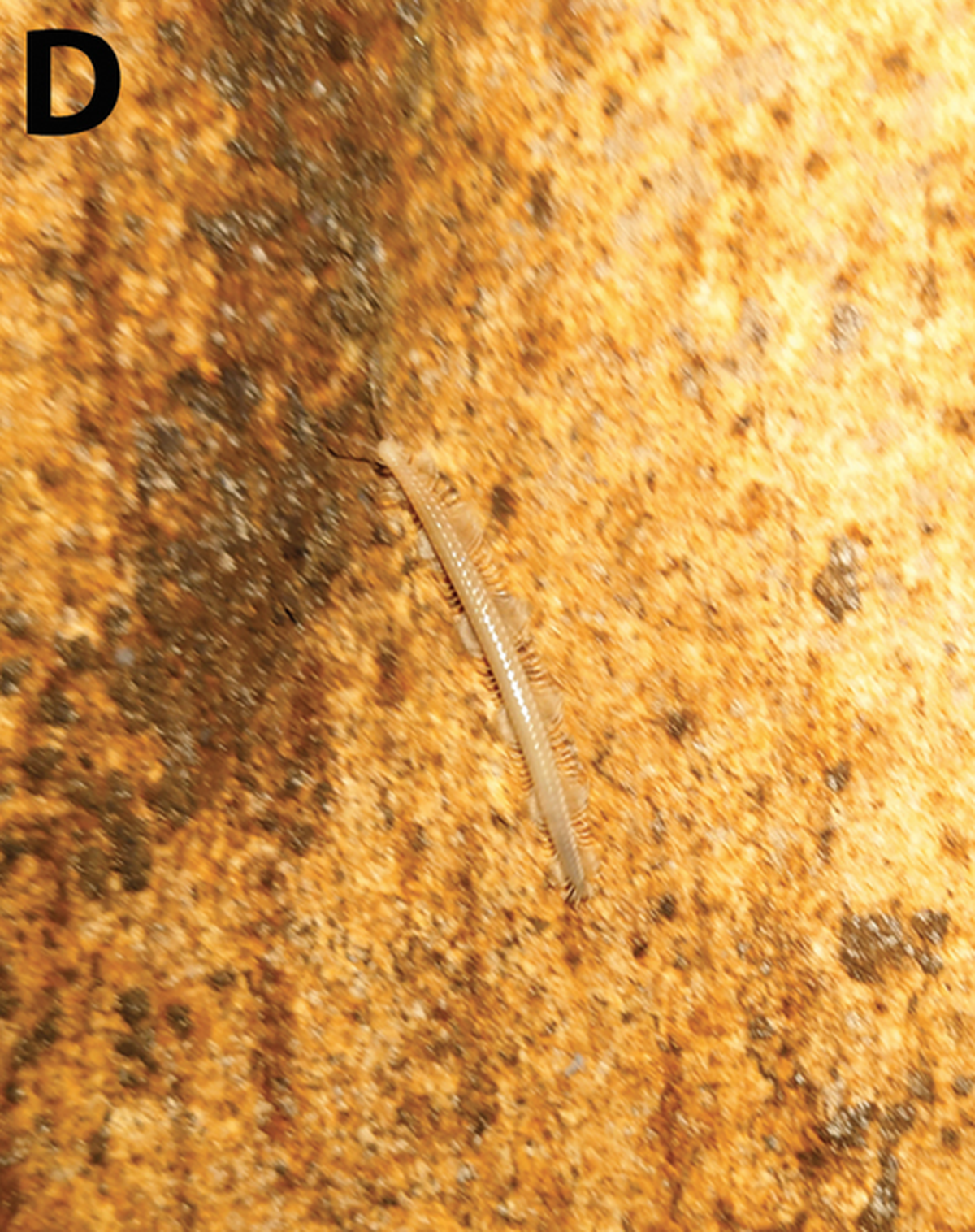
The species, named Sinocallipus similis, was found in the aphotic zone – an area completely devoid of light – of Khuoi Lin Cave and Na Mang Cave, according to a study published Jan. 6 in the peer-reviewed journal Zoosystematics and Evolution.
Sinocallipus similis is part of the Callipodida order, characterized by the many horizontal crests or ridges down their bodies.
According to experts, these caves are small and narrow with sandy soil and high humidity, and they are home to other species, including spiders, crickets and bats.
Finding the new millipede in the aphotic zones of both caves suggests it is “specialized to the cave environment,” according to researchers.
The species has up to 79 body segments and is just over two and a half inches long, with females measuring larger than males, according to the study.
Researchers described the millipede as having a pale head and a “uniformly white-yellowish” body, with “long and slender” legs ending with a long claw.
While conducting fieldwork, researchers also found a previously identified millipede species – Sinocallipus deharvengi – in a cave about 10 miles northeast from where it was initially discovered, suggesting a broader geographic distribution.
Researchers expect more new species will be discovered if Vietnam’s karst regions continue to be surveyed.
The Na Hang Nature Reserve in Tuyen Quang Province is about a 150-mile drive northwest from Hanoi.
The research team included Anh D. Nguyen, Pavel Stoev, Tam T., and T. Vu.
This story was originally published January 10, 2025 at 2:04 PM with the headline "Clawed cave creature with dozens of ‘slender’ legs found in Vietnam. See new species."