
Cannibal-filled caves and threads of gold: Take a look at the latest discoveries
The summaries below were drafted with the help of AI tools and edited by journalists in our News division. All linked stories were reported, written and edited by McClatchy journalists.
Throughout history, cultures have left behind a trail of breadcrumbs for archaeologists to follow. New sites and artifacts are found all the time, revealing forgotten secrets of the past.
Here are some of the latest discoveries:
Brain-eating cannibalistic community lived in Poland cave 18,000 years ago, bones show
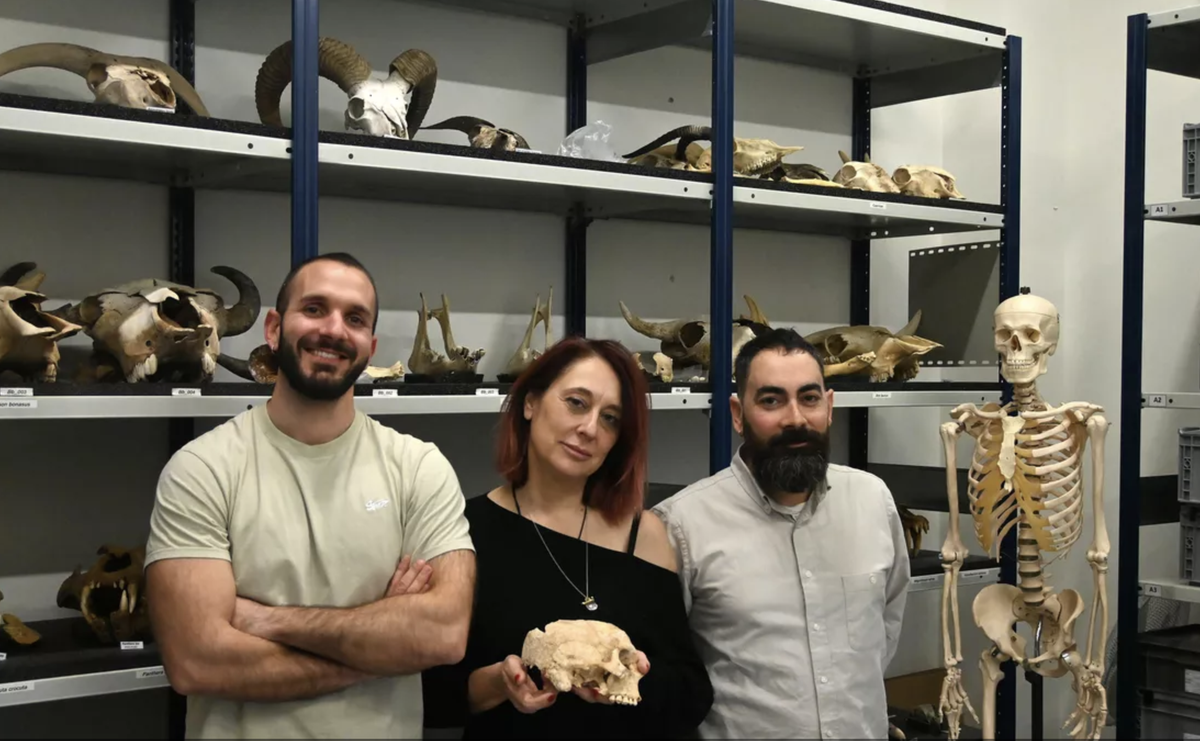
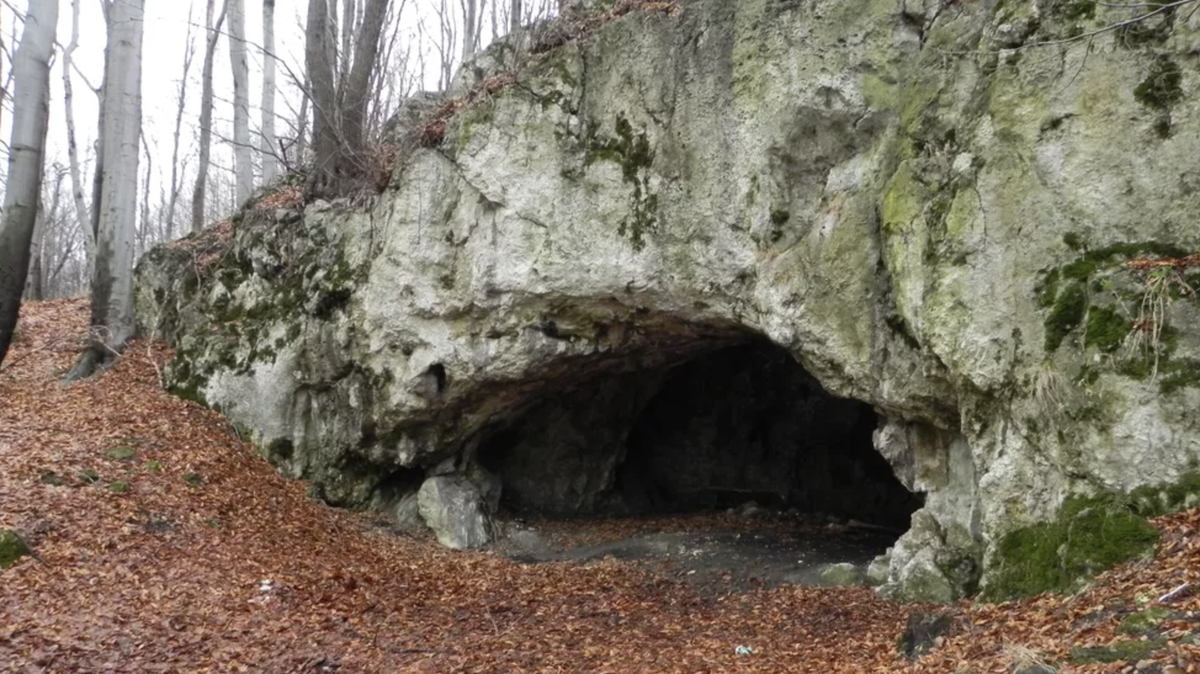
In southern Poland, researchers revisited the Maszycka Cave, where they found evidence of cannibalism among the Magdalenian people 18,000 years ago. Using 3D microscopy, they analyzed cut marks on bones, suggesting the community consumed human flesh for survival. This discovery sheds light on the harsh conditions faced by prehistoric communities. | Published Feb. 7 | Read More |
Archaeologists discover Roman villa in France — then unearth soldier’s wedding ring
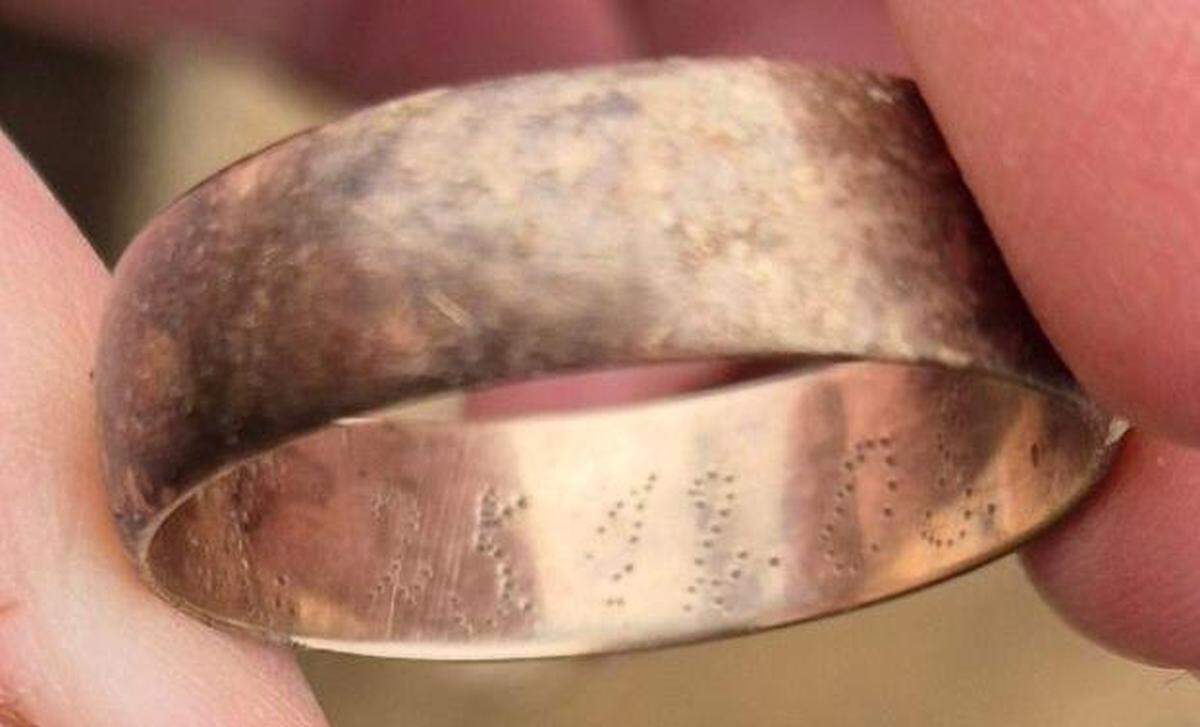
In Soissons, France, archaeologists unearthed a Roman villa dating back to the first to fourth centuries, revealing Roman influences in the region. Among the finds was a grave containing a German World War I soldier’s remains, identified by a wedding ring inscribed with his wedding date. This unexpected discovery connects ancient Roman history with more recent events. | Published Feb. 6 | Read More |
Viking-age hoard found in Scotland a decade ago had indecipherable runes — until now
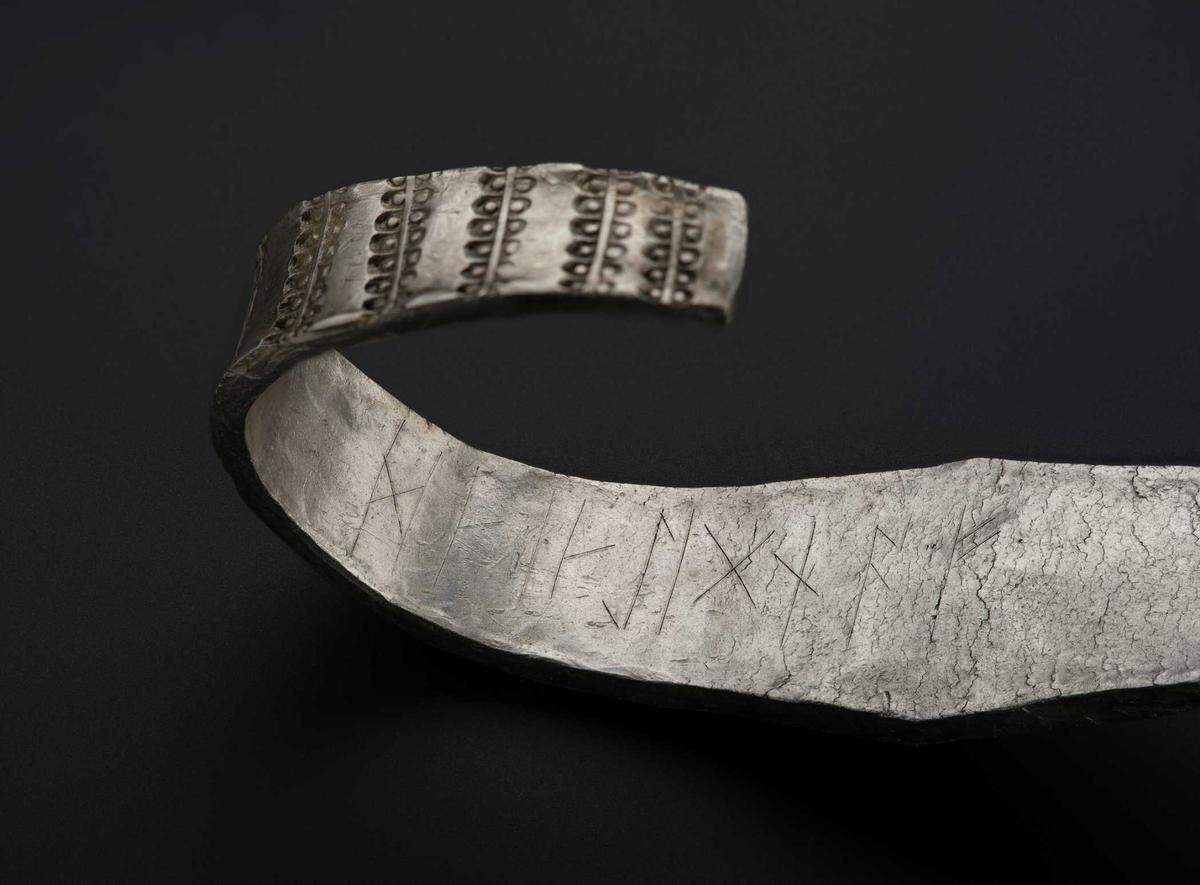
In Kirkcudbrightshire, Scotland, a Viking-age hoard containing silver and gold artifacts was discovered, with one arm band featuring indecipherable runes. Historians have now translated the runes to mean “this is the community’s wealth/property,” suggesting communal ownership of the hoard. This discovery provides insight into the social structures of Viking-age communities. | Published Feb. 11 | Watch the video |
Rare 1,600-year-old purple fabric — woven with gold threads — found in France. See it
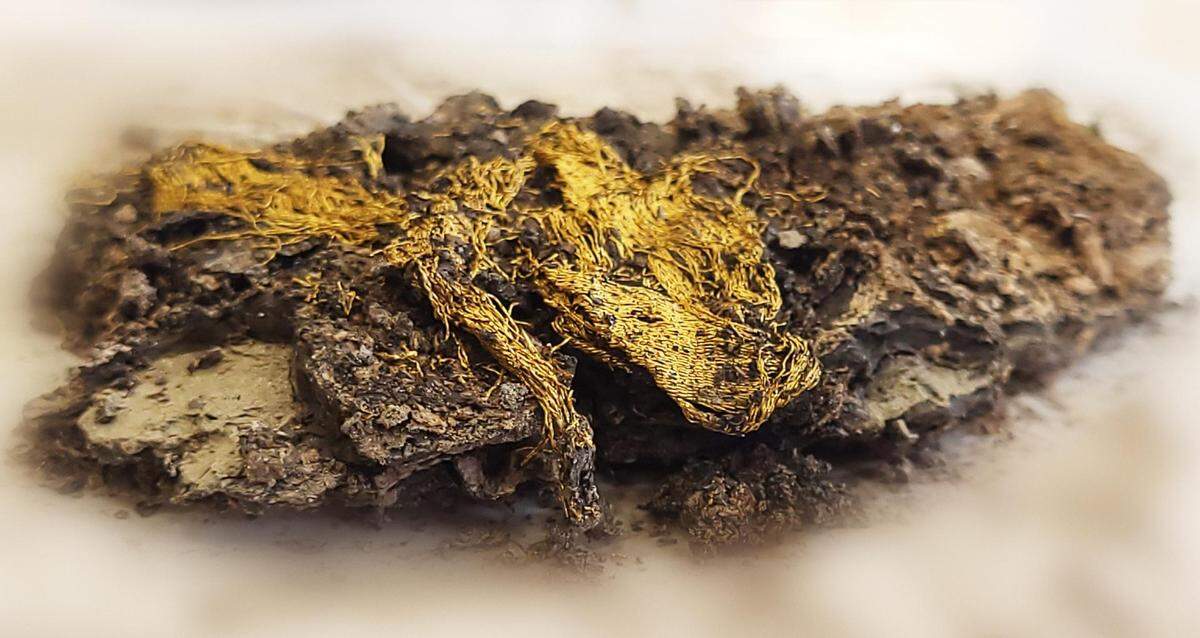
In Autun, France, archaeologists discovered a 1,600-year-old fabric woven with gold threads in an ancient burial site. The fabric, once a symbol of elite aristocracy, was found in a lead coffin, along with other exceptional artifacts. This rare find offers a glimpse into the luxurious burial practices of the time. | Published Feb. 12 | Read More |
Ancient chief buried ‘extremely rare’ Roman equipment. Archaeologists just found it
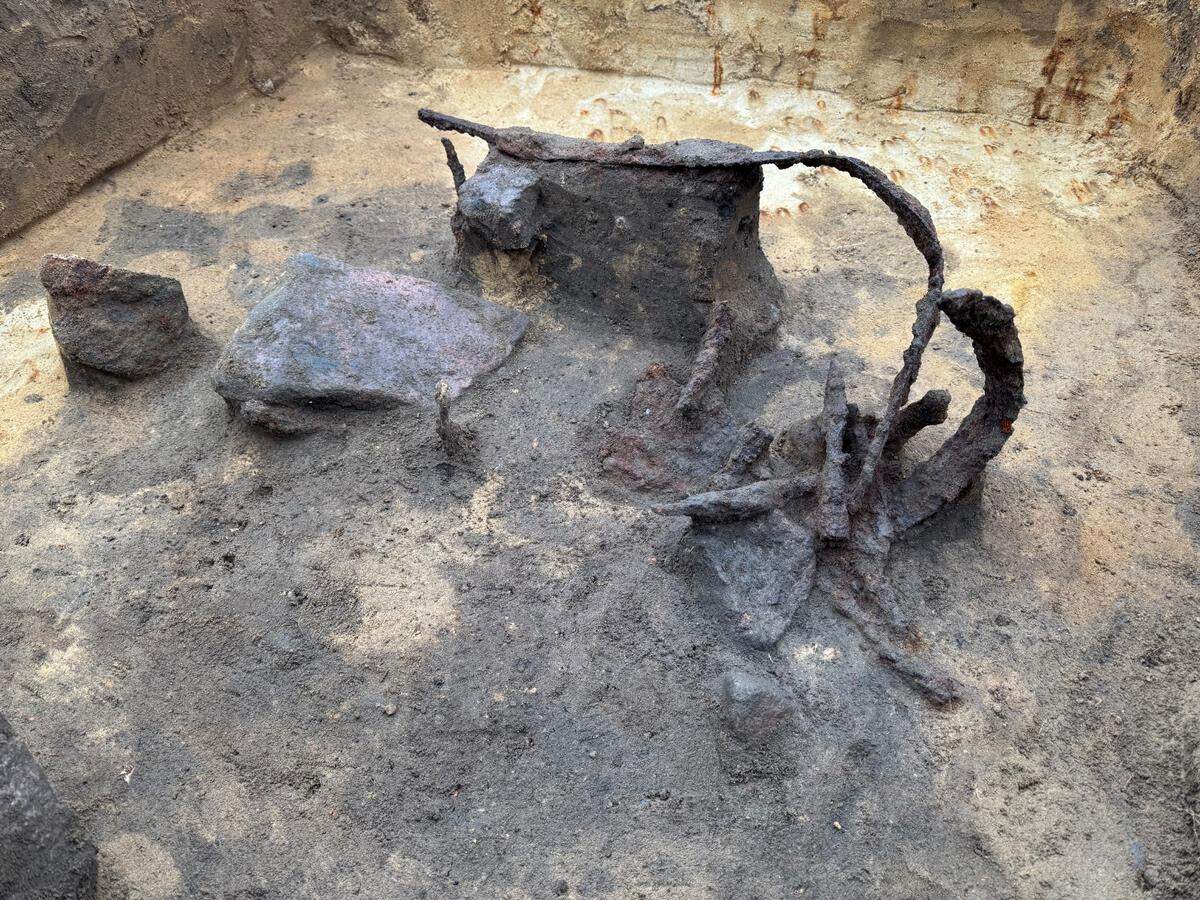
Near Løsning, Denmark, archaeologists uncovered a stockpile of weapons and rare Roman equipment buried by an ancient chief 1,500 years ago. Among the finds were two iron plates identified as parts of a Roman helmet, a rare discovery in southern Scandinavia. This excavation highlights the cultural exchanges and conflicts during the Iron Age. | Published Jan. 31 | Read More |
McClatchy News continues to follow the discovery of intriguing archaeological discoveries from around the globe. Check back to see the latest finds.
This story was originally published February 14, 2025 at 2:00 PM with the headline "Cannibal-filled caves and threads of gold: Take a look at the latest discoveries."