‘Sticky’ sea creature — with hooked penis — discovered in Australia. It’s a new species
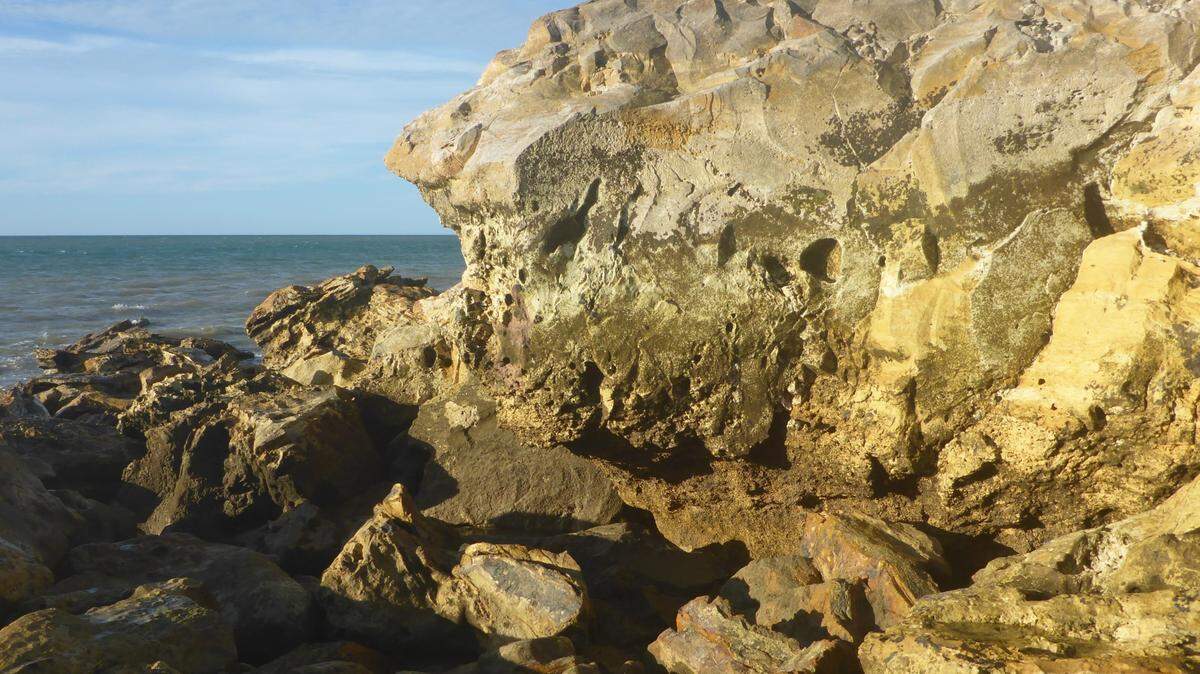
On the rocky coasts of northwestern Australia, small coves are submerged with the tides.
As the water recedes, a squishy creature is left clinging to the slippery, wet rocks.
The animal belongs to a genus of air-breathing marine slugs called Peronia, according to a study published March 12 in the peer-reviewed journal Raffles Bulletin of Zoology.
When researcher Adam Bourke searched the “large moist claystone boulders in a small rocky cove” in Darwin, he noticed unique features about the creature, according to the study.
It was a new species.
“Peronia watts, new species, is named after Adam’s faithful dog that passed away during field work,” researchers said.
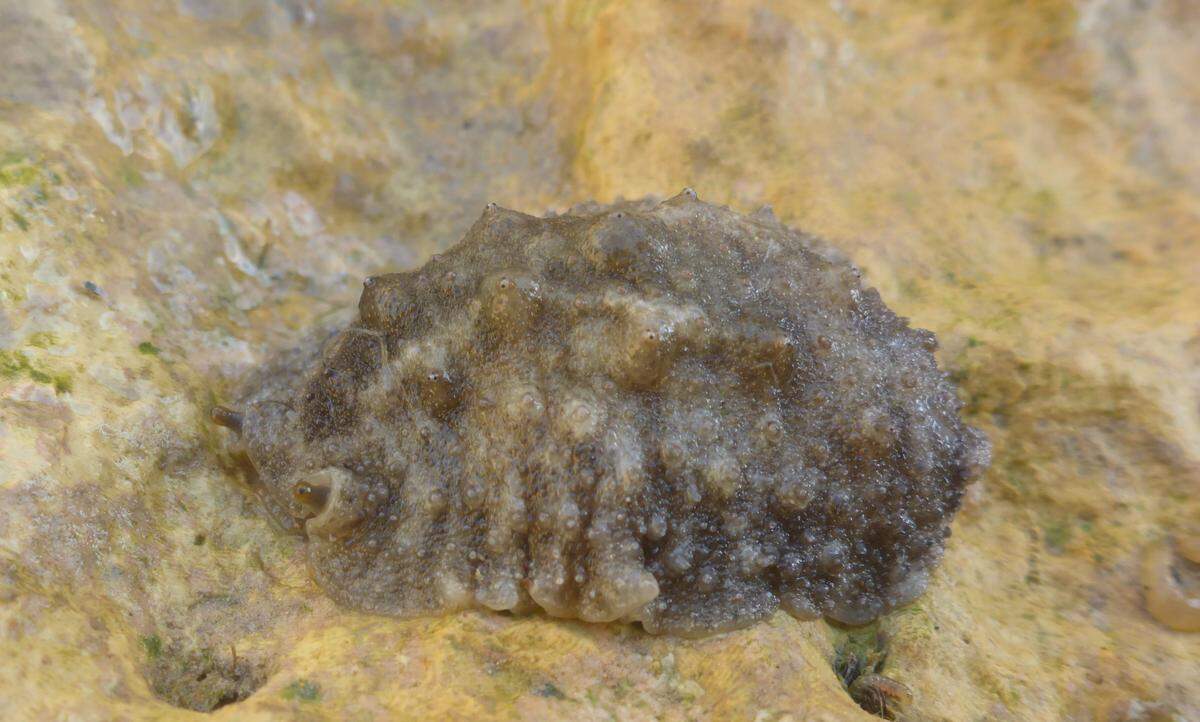
The holotype, or primary specimen used to describe the species, was 1.7 inches long and was found crawling on the rocks at low tide, according to the study.
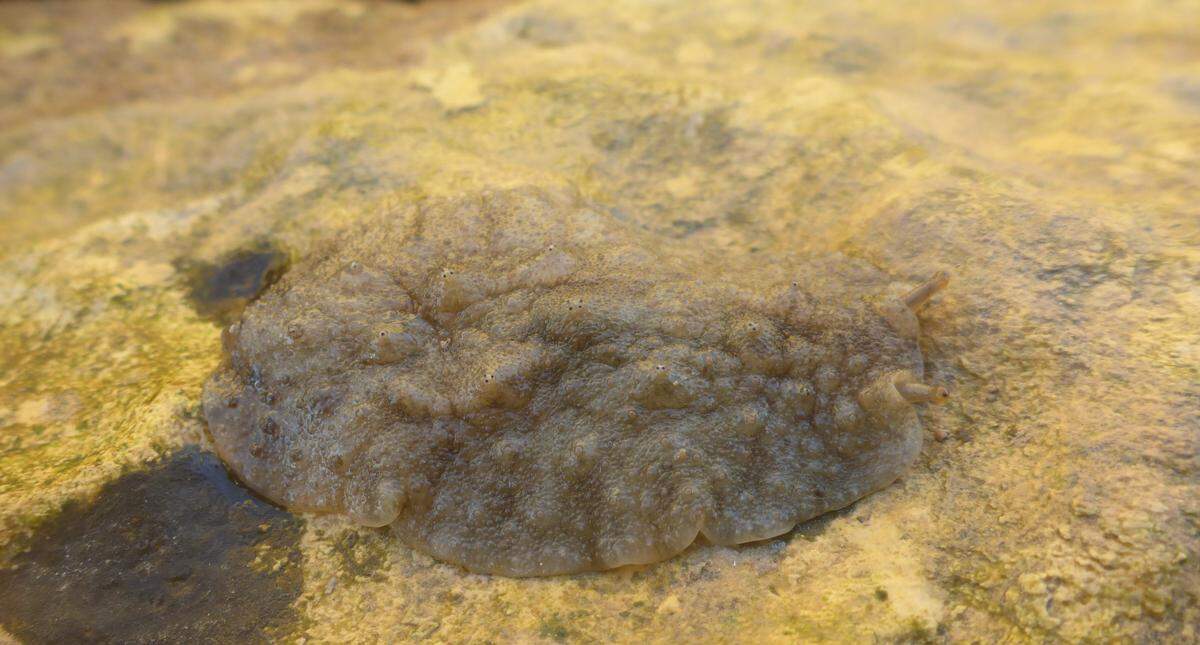
The slug is “greyish-brown” in color on the back, and the foot, or fleshy muscle on the bottom of the slug, is “light yellowish,” researchers said.
“Live animals are very squishy, moist and secrete an abundant sticky mucus when handled,” according to the study.
The sticky substance is unique and used to help identify the species, along with an excessive amount of teeth, researchers said.
“Internally, it is by far the Peronia species with the highest number of teeth per half row (up to 150), which is remarkable considering the relatively small size of individuals when compared to (a related species),” according to the study.
Males of the species also have distinct penile anatomy, researchers said.
The males have a thin retractor muscle, the mechanism that normally moves the penis in and out of the slug’s body when needed, according to the study. However, the size doesn’t seem to matter for this slug.
“It is also the only species known in which the retractor muscle of the penis, whether long or short, does not seem to insert anywhere in the visceral cavity,” or the area of the body holding organs, researchers said.
The end of the penis is also covered in abnormally “long” hooks “considering the size of the individuals,” according to the study.
Peronia watts is now one of four species that call northern Australia home, with an additional two Peronia species native to the waters of Japan, researchers said.
Darwin is located on the northwestern coast of Australia, south of Indonesia.
The research team includes Bourke, Benoît Dayrat and Tricia C. Goulding.
This story was originally published March 14, 2025 at 3:53 PM with the headline "‘Sticky’ sea creature — with hooked penis — discovered in Australia. It’s a new species."