New species of ‘erratic’-flying creatures discovered in Angola. Take a look
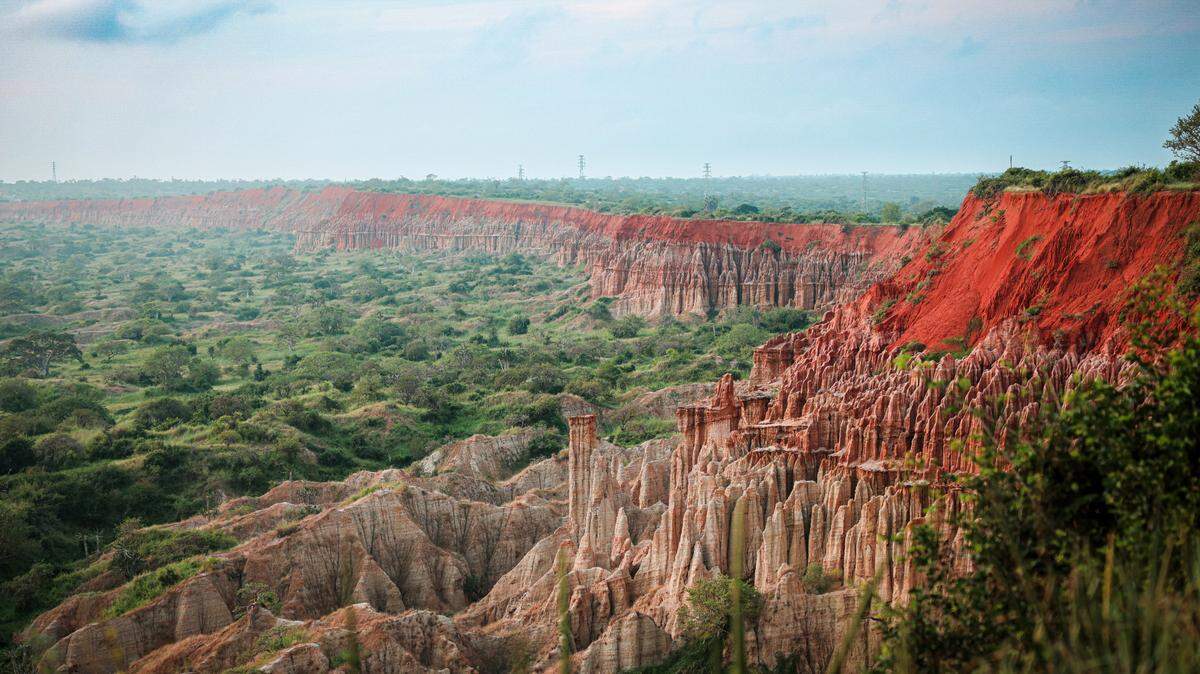
In the forests of northwestern Angola, the canopy of trees aren’t packed closely together, and large trees give way to open clearings.
Dancing across the open spaces are small, winged creatures, their flights “fast” but “erratic” just below the canopy.
When they land, patches of iridescent green make their wings appear to be glowing.
The animals are Hewitsonia butterflies — and were just discovered as a new species.
“The adult Hewitsonia have (a) rather large wingspan, compared to the majority of (related species) in Africa, and are quite well-known due to the amazing, iridescent blue or green upperside of wings of males, and also because they tend to fly lower,” researcher Szabolcs Sáfián said in a study published March 17 in the peer-reviewed journal Annales Musei Historico-Naturalis Hungarici.
Adult butterflies were captured in hand nets, then compared to known species, Sáfián wrote.
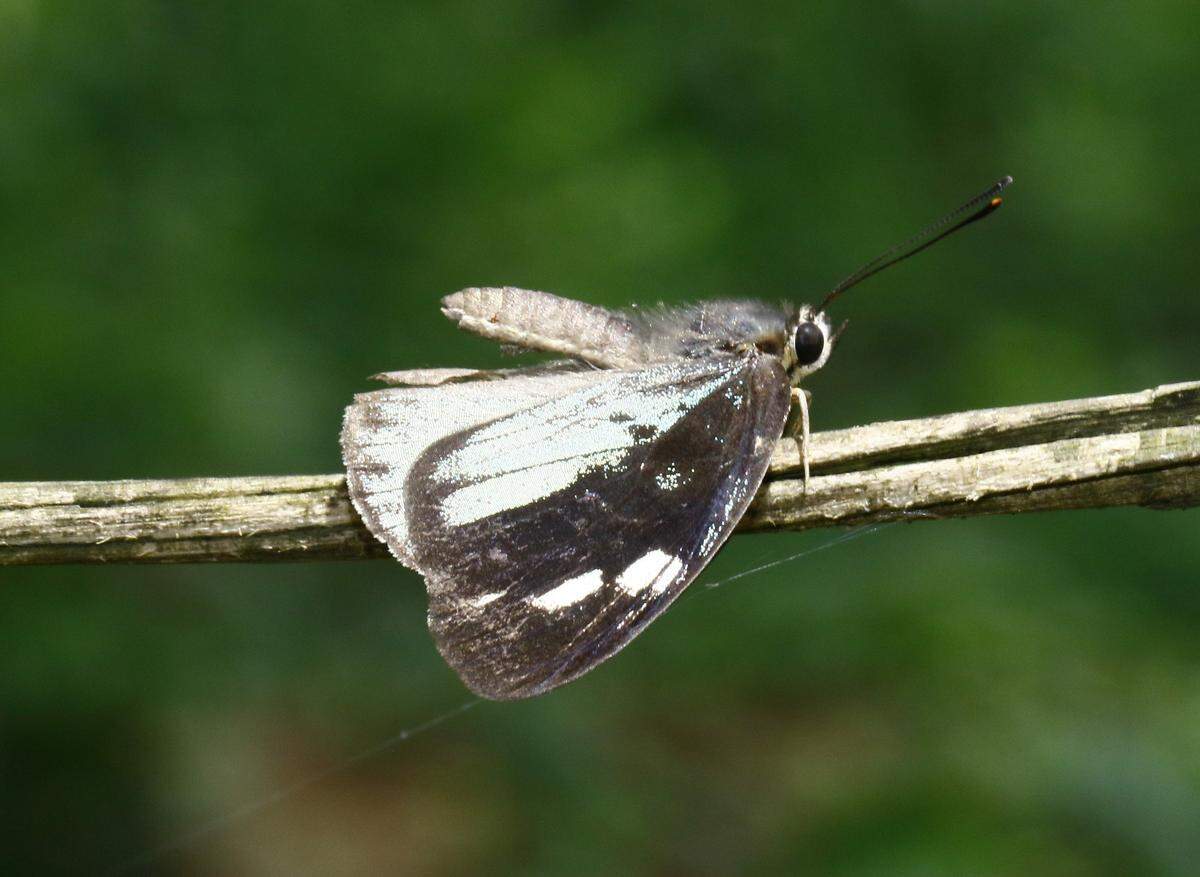
The new species was named Hewitsonia rogerioi, or Rogério’s Hewitsonia, honoring Angolan nature enthusiast Rogério Ferreira, according to the study.
Ferreira “expressed serious commitments to learn about natural values,” Sáfián said, and was the founder of a popular science Facebook group called “Biodiversidade Angola,” now one of the most significant hubs of biodiversity information in the country, according to the study.
Rogério’s Hewitsonia males are blackish-brown and white on the underside of their wings and covered in “metallic green” scales on the outside of their forewings, Sáfián wrote.
They have black antennae with black heads and “creamy hairs around (the) eyes,” according to the study, as well as “deep orange-brown to chestnut brown” legs.
Females of the new species are similar in coloration, but they lack the iridescent wing coloration.
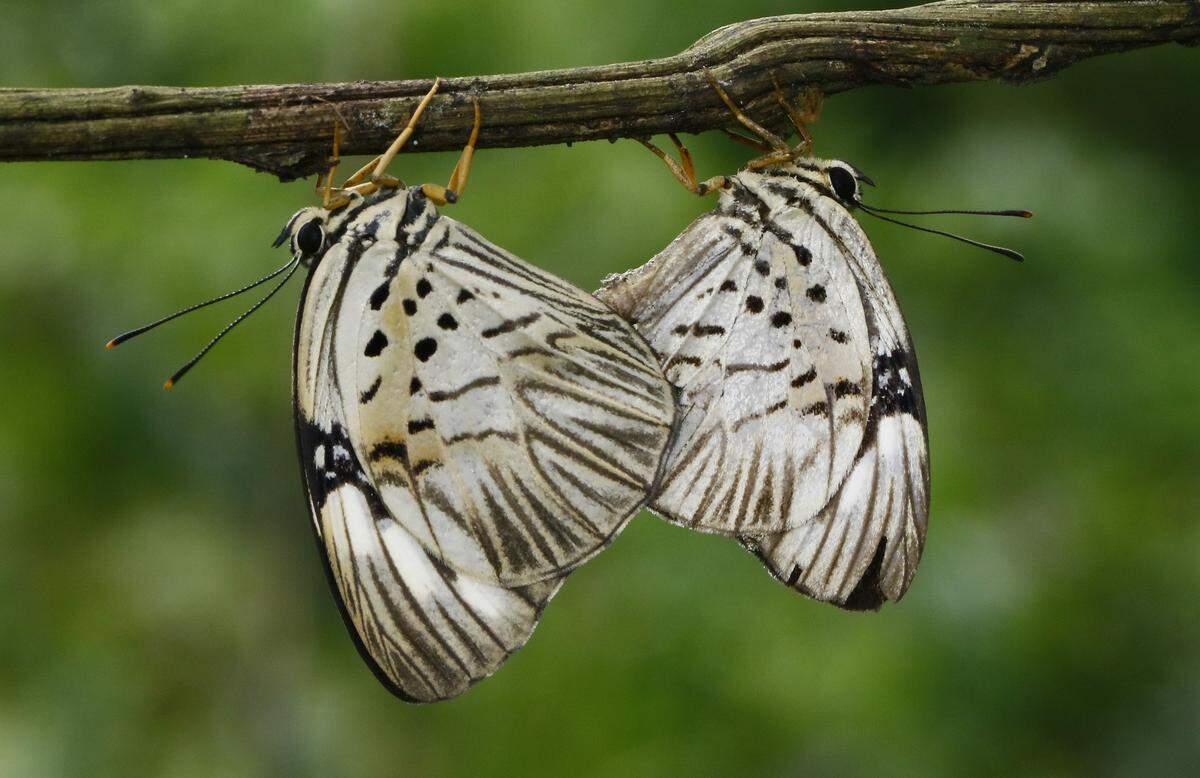
Flying males will fight with other displaying males, Sáfián wrote.
“When not disturbed they often settle on dry twigs or climbers with wings wide open, showing their iridescent green color to the passing females,” according to the study. “Freshly emerged females approach the males, swooping down from the canopy of the trees and they quickly engage in copulation without much of courting.”
Sáfián collected a single caterpillar of the species, which had a “flattened” body and black or brown spots each with “a tuft of long and fine glossy whitish hairs,” according to the study.
Sáfián said the discovery of a new species of Hewitsonia in this region was “not surprising” and noted other species that have been found in the isolated environment of an escarpment forest.
Escarpments are steep slopes along the edge of a plateau that separates two separate elevations, present in this region of Angola.
The new species was found in northwestern Angola, a country on the west-central coast of Africa.
This story was originally published April 3, 2025 at 3:30 PM with the headline "New species of ‘erratic’-flying creatures discovered in Angola. Take a look."