‘Remarkable’ invasive snake capable of reproducing by itself is now in Ecuador

One of the smallest snakes in the world is expanding its global empire by hitching a ride in the root balls of ornamental plants shipped around the world.
Now, the unassuming-looking Indotyphlops braminus, or flowerpot blindsnake, has been recorded for the first time ever in Ecuador, according to an April 8 study published in the journal Check List.
This is also the first record of the species in any South American country, according to the study.
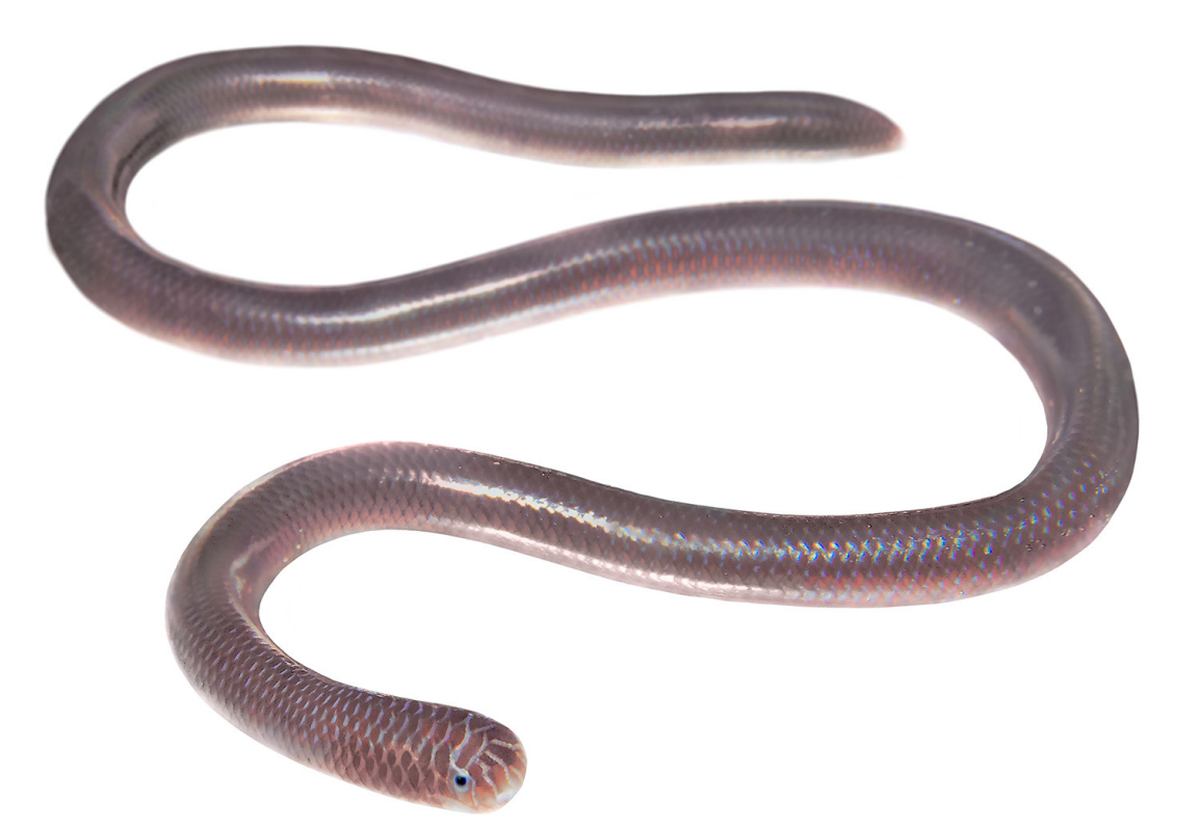
The “tiny” reptile, often mistaken for an earthworm, is native to Sri Lanka and southern India but “has spread worldwide through unintentional transport with ornamental plants,” according to researchers.
One of its most “remarkable” adaptations that makes it a highly successful species is its ability to establish an entire population from a single snake, according to the study.
The flowerpot blindsnake reproduces through a process called triploid parthenogenesis — a type of reproduction that does not require sperm.
It is the only known snake species to reproduce exclusively this way, researchers said.
Indotyphlops braminus is described as having “a tiny body size” that can range in color from jet black to shades of brown and pink, with the characteristic exception of a white chin.
Its body is “covered with hard shiny scales” and, like other snake species, it has a forked tongue, according to the study.
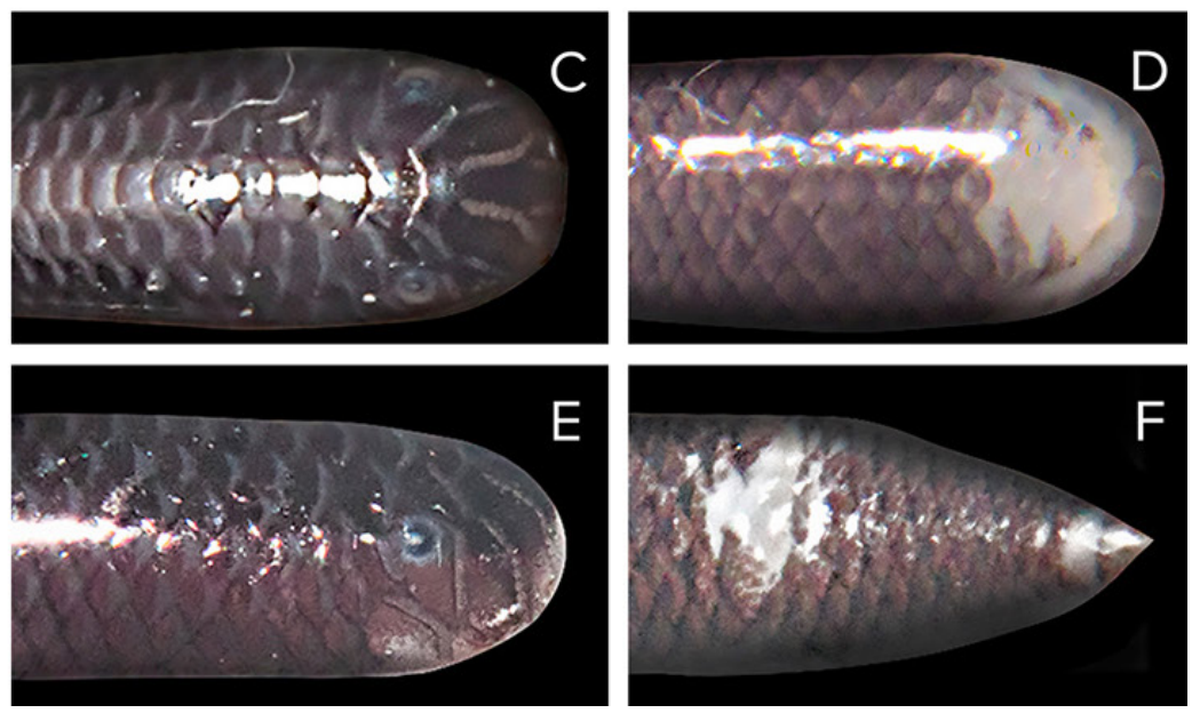
The snake uses its pointed tail to “sting” predators, “delivering a sharp but harmless prick,” researchers said. It also releases a “strong musk” as a defense mechanism, according to the study.
The flowerpot blind snake lives primarily underground, feeding exclusively on termites and ants, researchers said.
Researchers found the snakes in urban areas of Guayas Province including Guayaquil, particularly in gardens with ornamental shrubs.
More research is needed to better understand how the flowerpot blindsnake may compete for resources with native threatened species or act as a carrier of harmful pathogens, according to the study.
The research team included Eduardo Zavala and Alejandro Arteaga.
This story was originally published April 14, 2025 at 3:16 PM with the headline "‘Remarkable’ invasive snake capable of reproducing by itself is now in Ecuador."